How Will Donald Trump’s New Generic Drug Tariff Plan Impact India’s Pharma Industry?
Under the new plan, imported generic drugs will face 0% tariffs for the first two years starting August 1, followed by a 100% tariff for one year from August 1, 2028, and a 200% tariff thereafter. The phased rollout is aimed at encouraging pharmaceutical companies to shift manufacturing to the United States.

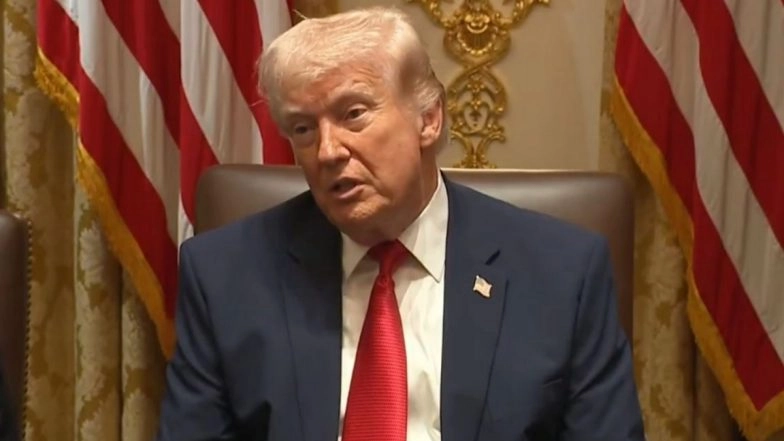
US President Donald Trump has announced a new tariff policy for imported generic medicines that could have significant implications for India's pharmaceutical industry. Under the new plan, imported generic drugs will face 0% tariffs for the first two years starting August 1, followed by a 100% tariff for one year from August 1, 2028, and a 200% tariff thereafter. The phased rollout is aimed at encouraging pharmaceutical companies to shift manufacturing to the United States.
What Trump Announced
Speaking on Tuesday, Trump said the two-year tariff-free period is intended to give drugmakers enough time to establish manufacturing facilities in the US. After the transition period ends, imported generic medicines that continue to be produced overseas will face substantially higher duties.
The announcement marks a major shift in the administration's pharmaceutical trade policy, with generic medicines now coming under its tariff framework. US Targets Canadian Wine, Cement and More With 50% Tariffs; Here's Why.
New Tariff Timeline for Generic Drugs
According to Trump's announcement:
- 0% tariff on imported generic drugs from August 1, 2026, to July 31, 2028
- 100% tariff from August 1, 2028, for one year
- 200% tariff from August 1, 2029, onwards
The administration says the phased approach is designed to provide companies with sufficient time to relocate production to the United States.
Why It Matters for India
India is one of the world's largest producers and exporters of generic medicines and supplies a significant share of the generic drugs sold in the US. If the proposed tariffs are implemented as announced, Indian pharmaceutical companies that continue exporting from India could face higher costs after the two-year exemption period. Trump Tariff Refunds Begin: Who Qualifies, How To Claim and Full Timeline Explained.
The transition window gives Indian drugmakers time to reassess manufacturing strategies, including expanding production within the US or restructuring supply chains to reduce the impact of future tariffs.
Background
Generic medicines account for nearly 90% of prescriptions filled in the United States, with a substantial portion supplied by overseas manufacturers, including Indian companies. The Trump administration has said the new tariff policy is intended to boost domestic pharmaceutical manufacturing and reduce reliance on imports while strengthening the country's medicine supply chain.
(The above story first appeared on LatestLY on Jul 22, 2026 08:14 AM IST. For more news and updates on politics, world, sports, entertainment and lifestyle, log on to our website latestly.com).