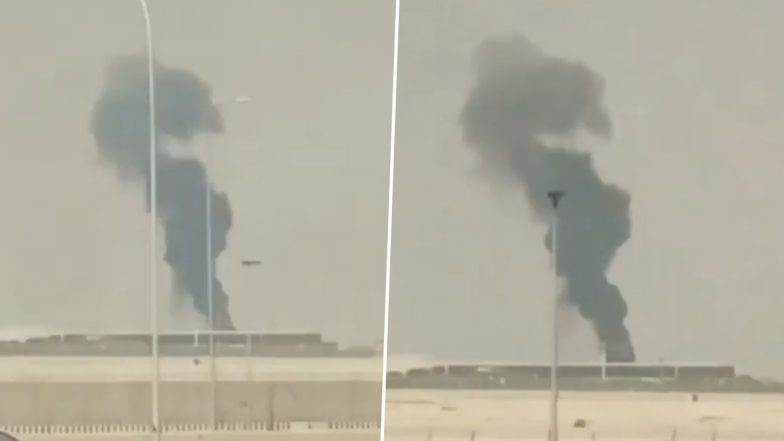
A fragile ceasefire between the United States and Iran has broken down, triggering a fresh wave of military action across the Middle East. The United States carried out another round of strikes on Iranian targets after an attack on a commercial vessel near the Strait of Hormuz, while Iran responded by announcing the closure of the strategic waterway and launching missile and drone attacks across the Gulf region. The renewed hostilities have heightened concerns over regional security, global energy supplies and international shipping, as reported by TOI.
Fresh US Strikes Follow Attack Near Strait of Hormuz
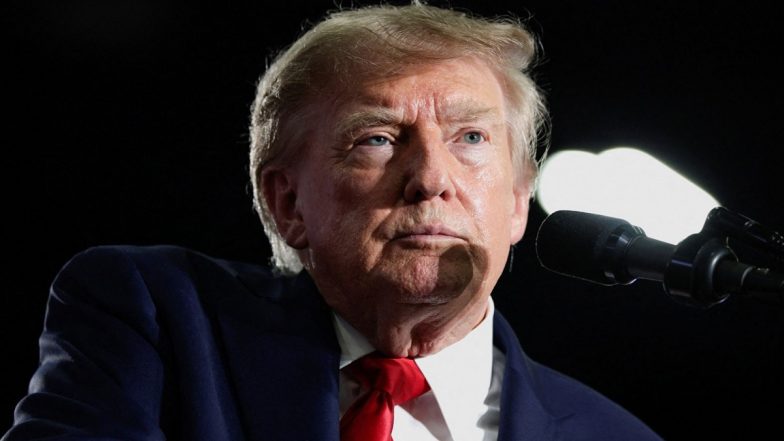
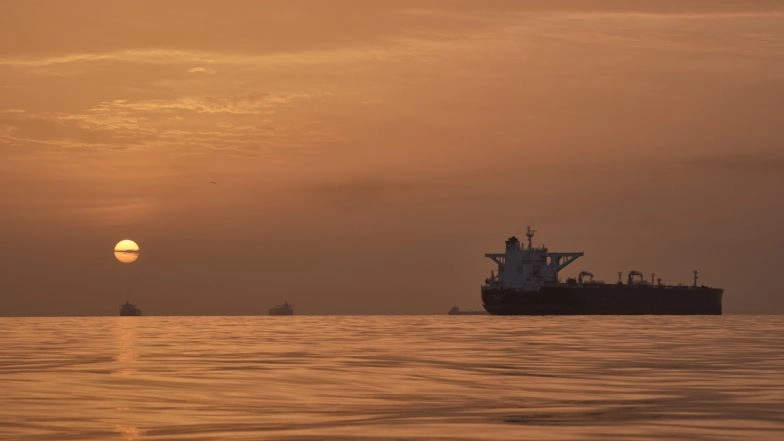
According to reports, the latest US military operation was launched in retaliation for an attack on a vessel near the Strait of Hormuz, one of the world's most important oil transit routes. The strikes targeted multiple Iranian military sites, marking another escalation after the brief ceasefire failed to hold. The renewed military action underscores the rapid deterioration of diplomatic efforts aimed at reducing tensions between Washington and Tehran. What Donald Trump Said About Iran Talks and Why He Declared the Ceasefire ‘Over’.
Iran Announces Closure of Hormuz
In response to the US strikes, Iran declared the Strait of Hormuz closed, citing security concerns. The move has raised fears of significant disruptions to global oil and gas supplies, as nearly a fifth of the world's seaborne crude oil passes through the narrow waterway. Maritime authorities have warned commercial vessels to exercise extreme caution, with some shipping routes reportedly being diverted because of the heightened security risks. Donald Trump Declares US Ceasefire With Iran ‘Over’.
Missile and Drone Attacks Across Gulf Region
The conflict widened further as Iran launched missile and drone attacks targeting several Gulf countries, including Qatar, Bahrain, the United Arab Emirates, Jordan and Oman, according to multiple reports. Air defence systems were activated across the region, and emergency alerts were issued in several countries. While Iran said the strikes were aimed at US military interests, authorities in the affected nations condemned the attacks as violations of their sovereignty. Some injuries have also been reported.
Diplomatic Efforts Continue Amid Escalation
Despite the renewed fighting, diplomatic channels remain open. Several countries have called for restraint and urged both sides to return to negotiations to prevent a broader regional conflict.
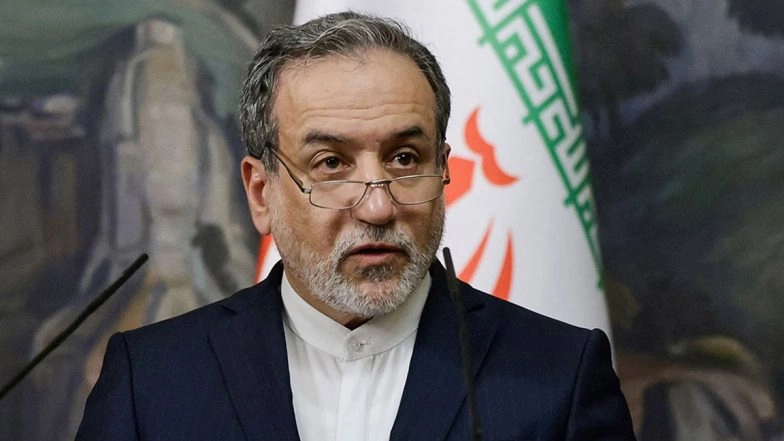
Iran's leadership has maintained a firm stance, while the United States has indicated that its actions are intended to protect international shipping and regional security. However, prospects for an immediate de-escalation remain uncertain.
India Expresses Concern
India has expressed concern over the attack on a commercial vessel carrying Indian nationals and has reiterated the importance of ensuring the safety of maritime trade and freedom of navigation. New Delhi has also called for dialogue to prevent further escalation in the region.
Global Implications
The collapse of the ceasefire has renewed concerns over instability in the Middle East, with analysts warning that prolonged disruption in the Strait of Hormuz could affect global energy markets and international trade. As military operations continue and diplomatic efforts struggle to gain traction, the situation remains fluid with the potential for further escalation.
(The above story first appeared on LatestLY on Jul 12, 2026 06:12 PM IST. For more news and updates on politics, world, sports, entertainment and lifestyle, log on to our website latestly.com).