US-Iran Nuclear Talks: What Are the 5 Conditions United States Has Placed Before Iran?
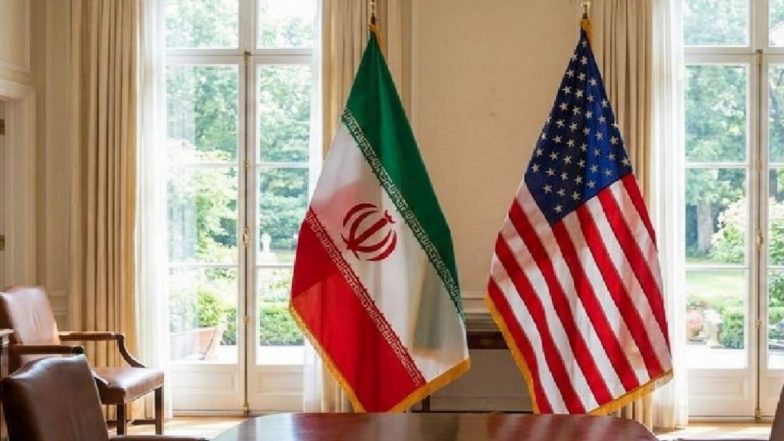
As nuclear negotiations between the United States and Iran continue to hit roadblocks, Washington has reportedly laid out five major conditions before Tehran, while Iran has responded with its own set of five preconditions. The exchange has deepened the impasse, with both sides accusing each other of bad faith and an unwillingness to make meaningful concessions.

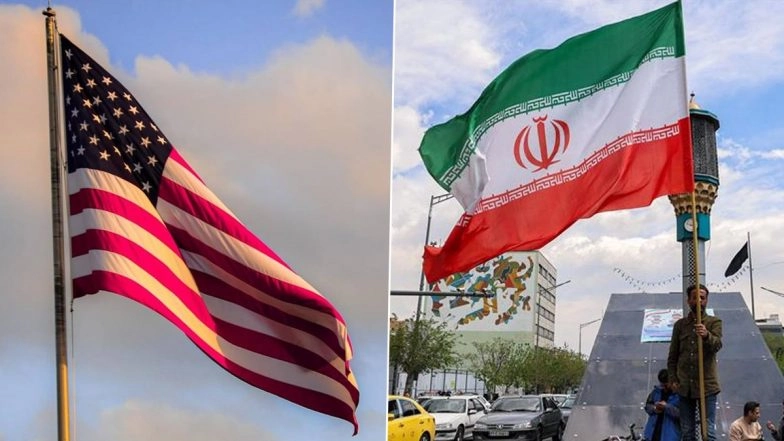
As nuclear negotiations between the United States and Iran continue to hit roadblocks, Washington has reportedly laid out five major conditions before Tehran, while Iran has responded with its own set of five preconditions. The exchange has deepened the impasse, with both sides accusing each other of bad faith and an unwillingness to make meaningful concessions.
The Five US Conditions Before Iran
According to a report by Iran's Fars News Agency, the United States has presented the following demands as part of the ongoing negotiations:
- No compensation Washington has flatly refused to pay any compensation to Iran for losses caused by earlier sanctions and policy decisions.
- Uranium handover The US has demanded that Iran hand over 400 kilograms of enriched uranium to America as part of the negotiations.
- Limited nuclear facilities Only one set of Iran's nuclear facilities will be allowed to remain operational under the proposed terms.
- Frozen assets remain blocked The US has rejected releasing even 25 per cent of Iran's frozen overseas assets.
- Conflict linkage Washington has linked the end of conflicts on various fronts to the continuation and completion of negotiations.
Notably, reports also indicated that the threat of American and Israeli aggression will remain in place even if Iran meets all five conditions. 'Calm Before the Storm': Donald Trump Shares AI-Generated Image Warning Iran Amid Reports of Potential US Air Strike Discussions.
Iran's 5 Preconditions for Talks
Tehran has responded with its own set of confidence-building preconditions. These include an end to conflicts on all fronts, especially in Lebanon, the lifting of all sanctions on Iran, the release of frozen Iranian funds, compensation for war-related damages, and recognition of Iran's sovereignty over the Strait of Hormuz, a critical global oil shipping route. Iran ‘Weeks Away’ From Nuclear Threshold, Warns US.
Iranian media reported that the US offered no tangible concessions in its response to Iran's proposal. "The United States, offering no tangible concessions, wants to obtain concessions that it failed to obtain during the war, which will lead to an impasse in the negotiations," Mehr news agency said.
Escalating Rhetoric on Both Sides
Iran's Foreign Ministry spokesperson Esmail Baqaei accused the US of using diplomacy as a cover for military goals, writing on X: "This is their familiar, cynical playbook: manufacture crisis and war, then escalate further under the noble banner of 'restoring stability' and 'defending peace.' They create a desolation and call it peace."
Iran's armed forces spokesperson warned that any renewed military strikes will be met with "more crushing and severe blows." Iranian Parliament Speaker Mohammad Bagher Qalibaf also cautioned that if the US does not accept Iran's proposal, American taxpayers could end up paying a heavy price.
Tensions between the two nations escalated sharply after joint US-Israeli military strikes hit Iran on February 28, triggering Iranian retaliatory attacks that disrupted shipping through the Strait of Hormuz. A ceasefire brokered by Pakistan was agreed upon on April 8, but follow-up talks have so far failed to produce a permanent peace deal.
(The above story first appeared on LatestLY on May 17, 2026 09:03 PM IST. For more news and updates on politics, world, sports, entertainment and lifestyle, log on to our website latestly.com).