Evergrande Founder Sentenced to Life in Prison: Hui Ka Yan’s Fortune, Fraud Case and Collapse
Evergrande founder Hui Ka Yan has been sentenced to life in prison by a Shenzhen court after pleading guilty to multiple financial crimes, including fundraising fraud, misuse of funds and bribery. His personal property was confiscated, while Evergrande and its main subsidiary were fined 15.82 billion yuan as the property giant’s collapse continues to weigh on China’s economy.

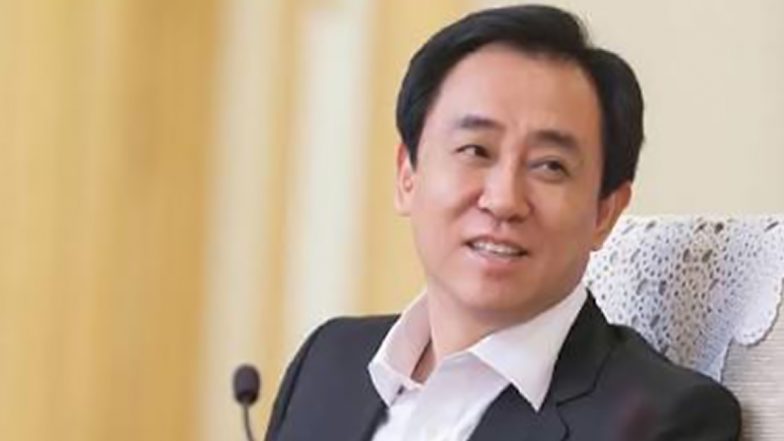
Evergrande founder Hui Ka Yan has been sentenced to life in prison by a court in Shenzhen, nearly five years after the property giant’s collapse sent shockwaves through China’s real estate sector and financial markets. The court also ordered the confiscation of Hui’s personal property, while Evergrande and its main subsidiary were fined a combined 15.82 billion yuan.
Hui, also known as Xu Jiayin, had pleaded guilty in April to multiple charges, including misuse of funds, fundraising fraud, illegally taking public deposits, illegally extending loans, securities fraud and bribery. The case marks a major development in the fallout from Evergrande’s collapse, which left more than USD 300 billion in liabilities and contributed to a prolonged downturn in China’s property market.
Hui Ka Yan’s Rise To The Top
Hui rose from humble beginnings in rural China and founded Evergrande in 1996. He built the company through an aggressive expansion strategy heavily reliant on borrowing and rapid property sales.
Evergrande eventually became China’s biggest property developer by sales. Hui’s personal wealth reached an estimated USD 45.3 billion in 2017, making him the richest person in Asia at the time, according to Forbes figures cited by Reuters.
The company's rapid growth, however, was accompanied by mounting debt and increasingly complex financial arrangements.
What Led To Evergrande’s Collapse?
China introduced measures in 2020 aimed at curbing excessive borrowing in the property sector. Evergrande subsequently struggled to meet interest payments and other financial obligations.
The company defaulted in 2021 as its debt crisis deepened. Evergrande had more than USD 300 billion in liabilities, making it the world's most indebted property developer.
The collapse had consequences far beyond the company itself. Evergrande's troubles contributed to a wider property-sector crisis, with other major developers also facing financial difficulties.
Court Finds Financial Crimes
Hui pleaded guilty to multiple financial crimes. The court proceedings examined allegations involving misuse of funds, fundraising fraud, illegal deposits and loans, securities fraud and bribery.
The Shenzhen Intermediate People's Court also fined Evergrande 8.82 billion yuan and Evergrande Real Estate 7 billion yuan, taking the combined corporate penalties to 15.82 billion yuan.
The court said the actions of Hui and the companies seriously disrupted the market and caused significant economic losses.
Evergrande Executives Also Sentenced
Hui was not the only Evergrande executive punished in the case.
Other executives were also sentenced, with prison terms ranging from several months to 18 years, according to state media reports. Reuters reported that 56 people connected to the case were sentenced, including senior Evergrande executives.
The case therefore extends beyond Hui himself and reflects the broader scrutiny of the company's business practices during its rapid expansion.
From Property Giant To Collapse
At its peak, Evergrande had become one of China's most influential property companies, with annual sales reaching about 700 billion yuan in 2020. Its expansion was driven by extensive borrowing and rapid development.
As its financial problems worsened, the company sold properties at steep discounts to generate cash and meet obligations. It was eventually ordered into liquidation in Hong Kong in 2024.
The company's shares were removed from the Hong Kong Stock Exchange in August 2025 after its market value had fallen dramatically.
Impact On China’s Property Market
Evergrande's collapse became a symbol of the broader problems facing China's property sector.
The industry had been a major driver of economic growth and an important source of revenue for local governments. Its prolonged weakness has continued to weigh on China's broader economy, while several other developers have faced debt and liquidity problems.
Hui's life sentence now marks another significant chapter in the Evergrande saga, as authorities continue to deal with the financial and economic consequences of the company's collapse.
(The above story first appeared on LatestLY on Aug 20, 2026 09:06 PM IST. For more news and updates on politics, world, sports, entertainment and lifestyle, log on to our website latestly.com).