Russia Explores Rail Corridor to India via Central Asia, Iran and Pakistan To Bypass Strait of Hormuz Risk
Russia is exploring the possibility of building an overland rail and multi-modal freight corridor connecting it to India through Central Asia, Iran, Afghanistan and Pakistan, as Moscow looks to reduce its dependence on vulnerable maritime routes such as the Strait of Hormuz and the Black Sea.

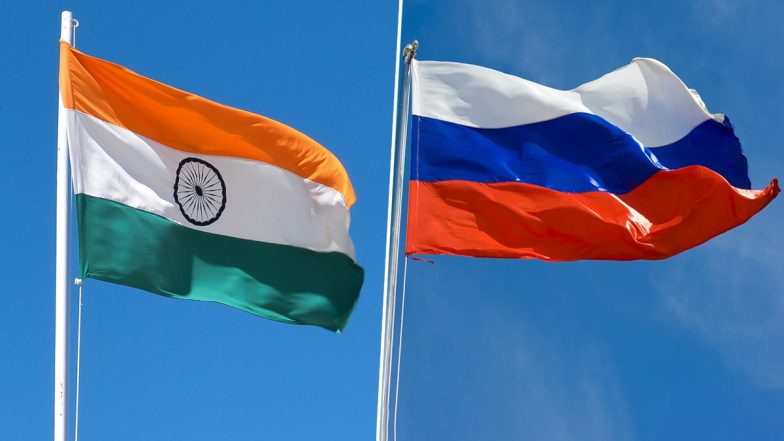
Russia is exploring the possibility of building an overland rail and multi-modal freight corridor connecting it to India through Central Asia, Iran, Afghanistan and Pakistan, as Moscow looks to reduce its dependence on vulnerable maritime routes such as the Strait of Hormuz and the Black Sea. Russian Deputy Prime Minister Marat Khusnullin confirmed the plan in an interview with TASS on August 6, saying multiple route options remain under consideration and that any pathway offering access to India would be acceptable to Moscow.
What Khusnullin Said
Khusnullin said Russia needs to develop a rail link to the Indian Ocean specifically to hedge against risks tied to the Bosphorus and the Strait of Hormuz, both of which have seen repeated disruptions amid regional tensions. He indicated that routes running through Turkmenistan, Iran, Afghanistan and Pakistan were all under review, adding that Moscow was open to any option that ultimately connects to India, reported takyk.
He also noted that Russia's construction sector has the capacity to absorb significant additional long-term financing, suggesting the infrastructure buildout linked to such a corridor could be commercially viable for domestic industry as well. India Summons Russian Diplomat After Cargo Ship Missile Attack Kills 4 Indian Sailors (Video).
Strategic Rationale Behind The Plan
The push for an alternative land corridor comes as global shipping routes face growing uncertainty. The Strait of Hormuz, a critical chokepoint for oil and gas shipments from the Gulf, has repeatedly been flagged as a risk given regional tensions in the Middle East. Similarly, the Black Sea route has faced disruptions linked to the ongoing conflict in Ukraine.
By developing an overland alternative, Russia aims to secure more predictable supply chains for trade and energy transfers with South Asia, reducing its exposure to maritime bottlenecks it does not control. Russia Used ‘Shadow Fleet’ Tankers To Launch Drone Surveillance Over NATO Sites, Report Says.
India-Russia Trade Backdrop
The proposal comes against the backdrop of deepening India-Russia trade ties. India has emerged as the second-largest buyer of Russian oil after China, with Russian crude accounting for a majority share of India's total oil imports in recent months as New Delhi continues to seek discounted energy supplies. Bilateral trade between the two countries has also expanded sharply in recent years, with both sides working toward a USD 100 billion trade target by 2030.
Existing Corridor Efforts
This is not the first time Moscow and its partners have looked at land routes to South Asia. The International North-South Transport Corridor (INSTC), which runs through Iran, has been in development for years and is designed to connect Russia to India via Iranian ports such as Bandar Abbas and Chabahar. India has separately invested in Chabahar port as a gateway to Afghanistan and Central Asia that bypasses Pakistan.
Russia and Pakistan have also worked on a separate rail link, with cargo expected to move through Kazakhstan, Turkmenistan and Iran before entering Pakistan via the Taftan border crossing.
Key Challenges Ahead
Despite the strategic appeal, experts note the proposed corridor faces significant hurdles. Large sections of rail infrastructure across Central Asia, Afghanistan and Pakistan remain incomplete or in need of modernisation, and differing track gauges across countries would require harmonisation for seamless freight movement.
The route would also require sustained diplomatic coordination between Moscow and multiple regional governments, particularly given the complex and often fragile security situation in Afghanistan and parts of Pakistan. Any long-term freight corridor through these regions would depend on stable governance and security guarantees that have historically been difficult to sustain.
For now, the proposal remains in the exploratory stage, with Russian officials signalling openness to multiple route configurations rather than committing to a single finalised corridor.
(The above story first appeared on LatestLY on Aug 08, 2026 03:20 PM IST. For more news and updates on politics, world, sports, entertainment and lifestyle, log on to our website latestly.com).