US, China Agree on USD 30 Billion Reciprocal Tariff Reductions and Launch Super Intelligence Dialogue Following Summit
The US and China have agreed on tariff relief covering USD 30 billion of non-sensitive goods in each direction and will establish a formal AI dialogue. The agreement followed Chinese President Xi Jinping's three-day visit to Washington for talks with US President Donald Trump. Both sides will also create a trade council and an AI incident communication channel.

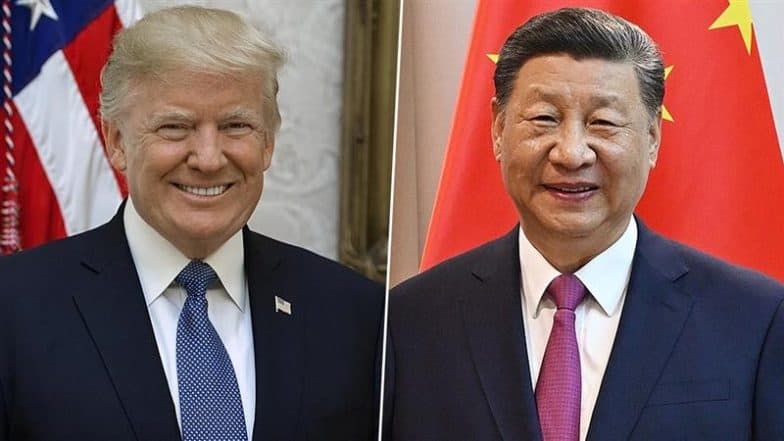
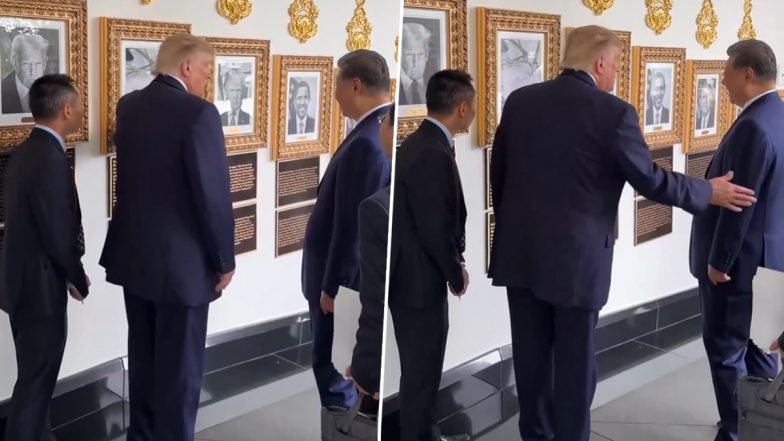
The United States and China have reached a reciprocal agreement to reduce tariffs on USD 30 billion worth of non-sensitive goods and establish a formal framework for technology discussions. The development follows the conclusion of a three-day summit in Washington between Chinese President Xi Jinping and US President Donald Trump, marking a concerted effort by the world's two largest economies to stabilize bilateral commercial ties.
The tariff reductions will apply to various commercial sectors in both directions, covering key American exports such as agricultural products, wood, and cosmetics, alongside popular US imports from China including toys, small appliances, and decorations. As per a report by Reuters, the consensus forms part of an eight-point agreement finalized during the high-level diplomatic visit. Donald Trump Warns Xi Jinping That Any Chinese Assistance to Iran Is ‘Totally Unacceptable’.
Bilateral Trade Council and Tariff Truce Extension
In addition to the specific tariff adjustments, both administrations agreed to establish a dedicated trade council and extend the parameters of earlier diplomatic discussions. This follows an earlier decision by Washington and Beijing to prolong their existing trade truce by two months to allow negotiating teams adequate time to craft a comprehensive long-term economic pact.
While the summit emphasized personal diplomacy rather than immediate sweeping structural overhauls, financial markets reacted cautiously to the constructive dialogue. Officials from both nations highlighted that maintaining open communication channels remains vital for preventing supply chain disruptions and managing ongoing economic competition.
Super Intelligence Dialogue and Strategic Talks
On the technology front, both superpowers agreed to initiate formal bilateral talks addressing the potential risks and benefits of advanced computing, with the next session scheduled for November. The two governments also committed to setting up a direct communication channel dedicated to resolving technology-related incidents. Donald Trump Welcomes Xi Jinping to White House for State Visit; Here's What They Discussed.
Notably, the White House noted that both delegations agreed to use the term "super intelligence" instead of artificial intelligence during these strategic discussions. Broader foreign policy coordination during the meetings also touched upon nuclear non-proliferation commitments regarding Iran and the free navigation of international waterways.
(The above story first appeared on LatestLY on Sep 27, 2026 10:31 AM IST. For more news and updates on politics, world, sports, entertainment and lifestyle, log on to our website latestly.com).