Volodymyr Zelensky Warns of Intensified Russia Attacks As Ukraine Strikes Energy Sites
President Volodymyr Zelensky warned that Russian forces are intensifying strikes on civilian infrastructure in Kyiv, while Ukrainian drones targeted Russian refineries in Volgograd and Samara. Meanwhile, South Korea demanded an apology over disclosed North Korean POW transfers, and the UN reported world food prices hit their highest mark in nearly four years.

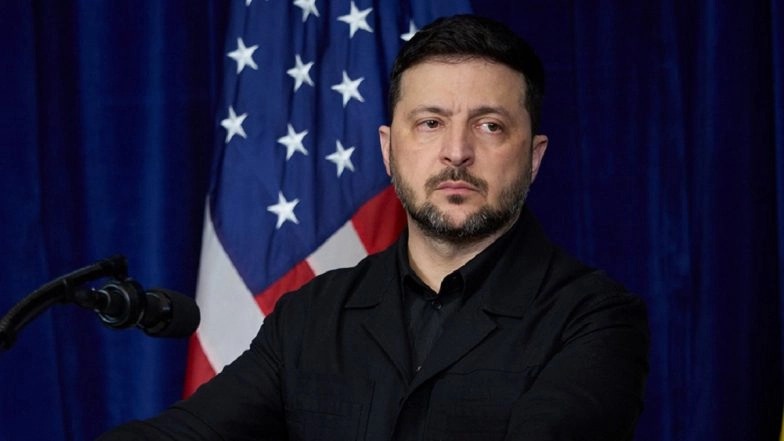
Ukrainian President Volodymyr Zelensky stated that Russian President Vladimir Putin instructed his generals to abandon the rules of war to seize more territory, resulting in intensified Russian aerial strikes on Kyiv's civilian infrastructure, including schools, hospitals and key bridges over the Dnipro River, FT reported. The escalation comes as Moscow presses offensive operations along multiple fronts, prompting heightened air defense alerts across the Ukrainian capital and surrounding regional hubs.
Even as Ukrainian defense systems engage incoming missile and drone barrages targeting essential municipal infrastructure, Ukrainian forces have retaliated by expanding deep-strike operations against vital economic assets inside the Russian Federation. Over the past 24 hours, Ukrainian forces launched targeted drone strikes on Russian oil infrastructure, causing fires at a major Lukoil refinery in Volgograd and an oil dispatch facility in the Samara region. Vladimir Putin Says Russia Agreed to US Proposals on Ukraine Peace Deal.
Diplomatic Strain with South Korea Over Captured POWs
On the diplomatic front, Kyiv is confronting new frictions in East Asia following disclosures concerning North Korean combat personnel. South Korea's President Lee Jae Myung warned of further action against Ukraine unless Kyiv apologises and acknowledges a confidentiality agreement regarding the transfer of two captured North Korean prisoners of war, following Volodymyr Zelensky's public announcement at the UN.
The diplomatic fallout highlights sensitive multilateral entanglements as foreign fighters and regional pacts increasingly intersect with the battlefield in Eastern Europe. Officials in Seoul indicated that bilateral cooperation could face reassessment if formal understandings concerning intelligence and prisoner custody remain compromised.
Progress on Minority Rights Legislation with Hungary
Simultaneously, long-standing diplomatic tensions on Ukraine's western border showed constructive movement toward reconciliation. Hungarian Prime Minister Peter Magyar welcomed draft legislation submitted to Ukraine's parliament that aims to strengthen the legal guarantees and educational rights of the ethnic Hungarian minority in Ukraine.
The proposed legal framework addresses pivotal conditions required for Kyiv’s European Union integration path, which had faced continuous friction over mother-tongue schooling protections in the Zakarpattia region.
Conflict Bottlenecks Push Global Food Prices to Four-Year High
The widening regional hostilities continue to generate profound ripple effects across global commodity markets. The United Nations Food and Agriculture Organisation reported that world food prices reached their highest level in nearly four years during September, driven by climate shocks, supply chain disruptions, and Black Sea trade bottlenecks caused by the conflict.
Agricultural export lanes from Ukrainian ports remain constrained by ongoing maritime and port terminal security threats, exacerbating grain supply risks for import-dependent nations across the Global South.
(The above story first appeared on LatestLY on Oct 02, 2026 07:07 PM IST. For more news and updates on politics, world, sports, entertainment and lifestyle, log on to our website latestly.com).