Why Iran Fired Missiles at Commercial Ships in the Strait of Hormuz
Iran's Islamic Revolutionary Guard Corps fired missiles at two commercial ships transiting the Strait of Hormuz after a temporary agreement to halt attacks expired, according to US officials. The strikes damaged both vessels without causing casualties, threatened ongoing US-Iran negotiations, and raised concerns over security in one of the world's most critical shipping routes.

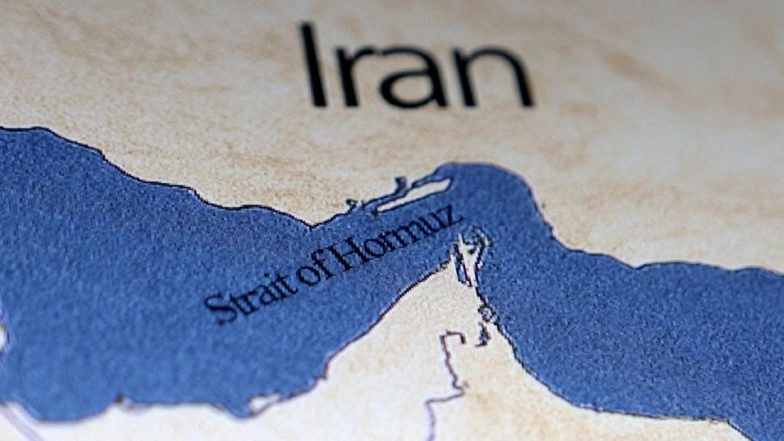
Iran's Islamic Revolutionary Guard Corps fired missiles at two commercial ships transiting the Strait of Hormuz early Tuesday, July 7, according to a senior US official, in an escalation that threatens to complicate ongoing negotiations aimed at ending the US-Iran war. The reported attacks came shortly after a one-week agreement between Washington and Tehran to halt attacks in the strategic waterway expired, raising fresh concerns over regional security and global shipping.
The incident also comes as Iranians mourn Ayatollah Ali Khamenei, the former supreme leader who was killed at the start of the Iran war. At the same time, the Islamic Revolutionary Guard Corps (IRGC) has intensified warnings to commercial vessels, discouraging them from using a US-cleared shipping route near the Omani coast while continuing to undermine diplomatic efforts. What Donald Trump Meant by ‘One Shot’ Remark As Iran Holds Funeral for Ayatollah Ali Khamenei.
What happened in the Strait of Hormuz?
Iran's military fired at least two missiles at commercial ships transiting the Strait of Hormuz Monday night, two US officials tell Axios. According to US officials, one vessel traveling south near the Omani coast was struck, while a second commercial ship was also hit by an Iranian missile.
The US Maritime Trade Operations said Monday it received a report from a tanker traveling south near the Omani in the Strait of Hormuz coast that was struck by an unknown projectile, causing a fire. A US official said both vessels suffered significant damage but there were no casualties. 'Iran Will School Them': FM Abbas Araghchi Warns US to Rein In Israel Over Threats to Mojtaba Khamenei.
Why Iran fired the missiles
The reported attacks occurred after a temporary one-week agreement between the United States and Iran to halt attacks on commercial shipping in the Strait of Hormuz expired.
According to US officials, the resumption of Iranian attacks has put the memorandum of understanding (MOU), signed less than three weeks ago, at risk of collapsing. The latest strikes are being viewed as an attempt by the IRGC to increase pressure during a period of stalled diplomacy while reinforcing its warnings against vessels using routes protected by the US military.
The attacks also follow heightened tensions inside Iran after the death of Ayatollah Ali Khamenei, adding another layer of uncertainty to the country's internal and regional posture.
A round of indirect talks between the US and Iran in Doha last week ended without much progress on the issue of the Strait of Hormuz. The latest attacks are expected to further complicate those negotiations and increase the risk of military escalation in the region. The US is likely to retaliate with strikes against Iranian targets.
Why the Strait of Hormuz matters
The Strait of Hormuz is one of the world's most important maritime chokepoints, with a significant share of global oil and liquefied natural gas shipments passing through the narrow waterway every day.
Any disruption to commercial shipping in the strait has the potential to affect global energy markets, insurance costs and international trade, making security in the region a key concern for governments and shipping companies.
(The above story first appeared on LatestLY on Jul 07, 2026 07:21 AM IST. For more news and updates on politics, world, sports, entertainment and lifestyle, log on to our website latestly.com).