UPI MDR From October 15: RBI Governor Sanjay Malhotra Says 0.4% Fee Unlikely to Hit Transaction Volumes
The Unified Payments Interface (UPI) is set to introduce a Merchant Discount Rate (MDR) on select higher-value merchant transactions from October 15, 2026. RBI Governor Sanjay Malhotra said the small fee is unlikely to have a major impact on UPI transaction volumes, as the new framework affects only specified person-to-merchant (P2M) payments.

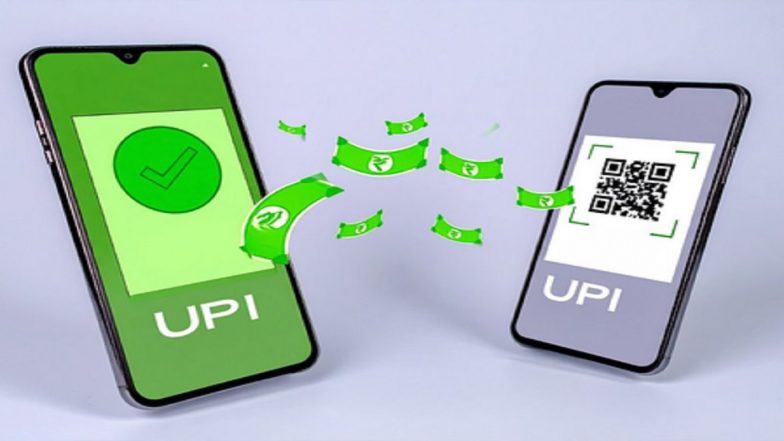
The Unified Payments Interface (UPI) is set to introduce a Merchant Discount Rate (MDR) on select higher-value merchant transactions from October 15, 2026. RBI Governor Sanjay Malhotra said the small fee is unlikely to have a major impact on UPI transaction volumes, as the new framework affects only specified person-to-merchant (P2M) payments. The comments came after the Reserve Bank of India's October monetary policy review, amid concerns that the return of MDR could discourage merchants or users from relying on UPI for larger payments.
What Changes for UPI From October 15?
Under the new framework, a 0.4% MDR will apply to specified P2M UPI transactions above ₹2,000. For transactions of ₹75,000 and above, the MDR will be capped at ₹300 per transaction. Importantly, the MDR is a charge within the merchant-payment ecosystem and not a direct transaction fee for consumers. The government has said banks and payment participants should not pass the charge on to customers. UPI payments between individuals, or person-to-person (P2P) transactions, will remain free irrespective of the amount transferred. UPI New Rules From October 15: Govt Clarifies MDR, GST and RuPay Charges.
Will Customers Have to Pay UPI Charges?
No. Customers are not supposed to pay the MDR when making an eligible UPI payment. The government has also clarified that payments to merchants of up to ₹2,000 will remain free. Small merchants covered under the zero-MDR framework will also continue to be exempt. As a result, approximately 96% of P2M UPI transactions are expected to remain unaffected by the new framework.
Why RBI Expects UPI Volumes to Remain Strong
RBI Governor Sanjay Malhotra said the central bank does not currently see a reason to expect a significant decline in UPI volumes because of the new MDR. The impact will be concentrated on higher-value merchant payments, while a large majority of everyday UPI transactions will continue without MDR. The government has also said the new framework is intended to support the long-term sustainability of India's digital payments ecosystem rather than impose a charge on ordinary UPI users.
Special MDR Rates for Certain Sectors
The new framework provides different rates for some sectors. Essential and thin-margin sectors such as railways, telecommunications, insurance, fuel and agricultural inputs will attract a flat ₹5 MDR for transactions above ₹2,000. Meanwhile, specified transactions involving mutual funds, securities, stockbrokers and dealers will attract a concessional MDR of 0.02%, subject to a maximum of ₹300. UPI MDR on Payments Above INR 2,000 to Stay; Govt Rules Out Reversal.
UPI Transactions Had Already Seen a September Dip
The introduction of MDR comes after UPI recorded a decline in transaction volumes in September. According to NPCI data, UPI processed 24.07 billion transactions in September, down 1.8% from August. Transaction value declined 1.5% to around ₹29.4 lakh crore. However, analysts have also pointed to normal monthly and seasonal patterns as factors behind the decline. The new MDR framework will therefore be closely watched after its October 15 implementation to assess whether higher-value merchant payments change in volume or behaviour.
What This Means for UPI Users
For most consumers, there will be no immediate change in the cost of everyday UPI payments. P2P transfers will remain free, while merchant payments up to ₹2,000 will continue to attract zero MDR. The key change will be for merchants accepting specified UPI payments above ₹2,000, who will bear the applicable MDR under the new framework. The RBI's view is that the relatively small charge should not materially affect India's broader UPI usage.
(The above story first appeared on LatestLY on Oct 07, 2026 01:27 PM IST. For more news and updates on politics, world, sports, entertainment and lifestyle, log on to our website latestly.com).