What Makes Schools in Sangli Holistic? Key Indicators Parents Should Notice
As parents weigh school choices with greater care, academic scores alone no longer decide the conversation.


As parents weigh school choices with greater care, academic scores alone no longer decide the conversation. Across Sangli, many families now look for schools that support the whole child: intellect, emotional health, social confidence, physical fitness, creativity, and future readiness. This wider lens has brought fresh attention to holistic education and to schools that make it a visible part of daily school life.
Podar International School, Sangli, is one of the leading schools that reflect this shift. The school places equal value on academic rigour, life skills, co-curricular exposure, and student wellbeing. For parents, that balance matters because the world their children will enter asks for much more than textbook knowledge. A holistic school does not treat education as exam preparation alone. It helps children build judgement, resilience, communication skills, empathy, self-discipline, and curiosity. These qualities shape not only school success, but also long-term personal growth and career readiness. In a job market that now rewards adaptability, collaboration, digital fluency, and problem-solving, a narrow academic model often falls short.
“A school should help a child become capable, confident, and self-aware, not just score well in tests,” said a parent of a middle school in Sangli. “As a parent, I look for signs that my child feels safe, asks questions freely, takes part in activities, and learns how to work with others. Those are the real indicators of growth.”
Experts in child development have also stressed that holistic education gives students a stronger base for life beyond school. Emotional regulation, confidence, teamwork, and ethical judgement have become critical strengths in higher education and in modern workplaces. Schools that nurture these areas early often help children build a healthier relationship with success, failure, pressure, and ambition.
“A child who receives holistic education usually shows stronger self-esteem, better social adjustment, and greater readiness for real-world challenges,” said a school counsellor associated with holistic education practices. “Academic achievement remains important, but children also need coping skills, emotional awareness, and the ability to make sound choices. Those traits support both mental wellbeing and future success.”
For parents, the term “holistic education” should mean more than a brochure promise. There are clear indicators they can track. A strong holistic school offers a curriculum that goes beyond rote memorisation and supports critical thinking, inquiry, practical application, and discussion. It creates room for arts, music, drama, sport, and physical education, not as extras, but as essential parts of school life. It invests in wellbeing support, values inclusive classrooms, and keeps communication with families open and regular.
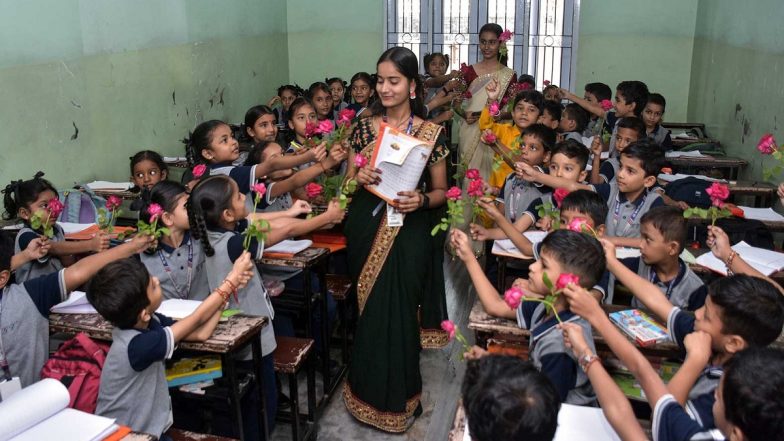
Parents can also look at practical markers: how often students take part in projects, debates, performances, sports, clubs, and leadership roles; how the school supports emotional health; whether teachers encourage curiosity and problem-solving; how technology fits into learning; and whether the school environment feels respectful, safe, and nurturing. These are meaningful indicators of whether a school truly supports all-round development.
For students, the difference often feels immediate. A school with a holistic approach gives children more chances to discover strengths beyond academics. It helps them speak with confidence, manage setbacks, work in teams, and pursue interests that shape identity and ambition. Technology also plays a central role in a holistic model, but its value depends on purpose. Schools that use digital tools help students build future-ready skills through coding, robotics, research, design thinking, and project work. Such exposure helps children understand how knowledge applies in real contexts. It also builds comfort with the tools and habits that future careers will demand.
This matters because the industry has changed sharply. Employers now seek people who can learn new skills, solve unfamiliar problems, collaborate across teams, and adapt to rapid change. Technical knowledge remains vital, but human skills often decide who thrives. A holistic school helps students build both. It prepares them not only for board exams or university admissions, but also for careers that may not yet exist in their current form.
Just as important, holistic education supports personal development. Children grow into more balanced individuals when schools value character as much as rank. They learn discipline through sport, empathy through group work, expression through the arts, resilience through challenge, and responsibility through leadership opportunities. These lessons stay with them long after school years end.
For families in Sangli, the message is clear: the right school should do more than teach lessons. It should shape capable, grounded, and future-ready young people. As expectations from education continue to evolve, holistic schooling has moved from an added advantage to a vital need. Schools such as Podar International School, Sangli, reflect that broader vision and show why more parents now see all-round development as the true measure of educational value. For information on their CBSE school’s admission in Sangli, contact their team at:
Email Address: admissions@podar.org
Telephone No: 7428092049
(All articles published here are Syndicated/Partnered/Sponsored feed, LatestLY Staff may not have modified or edited the content body. The views and facts appearing in the articles do not reflect the opinions of LatestLY, also LatestLY does not assume any responsibility or liability for the same.)