CJP Delhi Protest: India Urges UN Human Rights Bodies to Avoid Politicisation
India has urged United Nations human rights mechanisms to avoid “politicisation” and “selectivity”, days after a UN human rights office expressed concern over mass detentions during the Cockroach Janata Party (CJP)-led protests in Delhi.

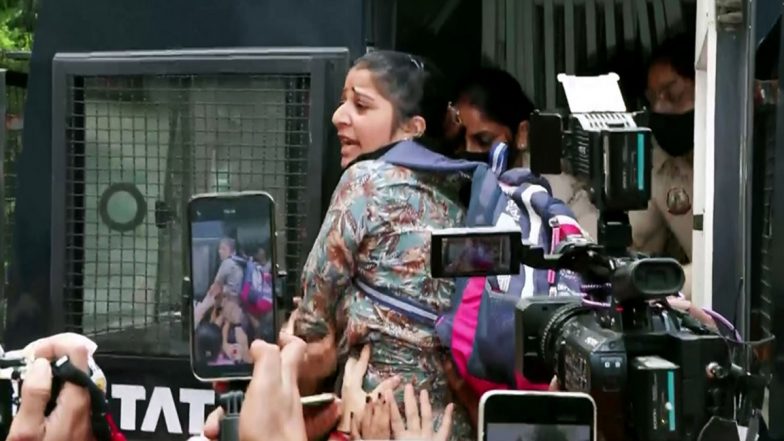
India has urged United Nations human rights mechanisms to avoid “politicisation” and “selectivity”, days after a UN human rights office expressed concern over mass detentions during the Cockroach Janata Party (CJP)-led protests in Delhi. New Delhi has described the UN office’s remarks as unwarranted interference in India’s internal affairs, while reiterating its commitment to promoting human rights without double standards.
The latest statement was delivered by Anuj Swarup, First Secretary at India’s Permanent Mission to the UN, during the 81st session of the UN General Assembly’s Third Committee. India called for human rights mechanisms to respect cultural and historical contexts and maintain their impartiality. UNHRC Expresses Concerns over Reported Detentions During CJP-led Protests in Delhi.
India Flags Politicisation After UN Raises CJP Protest Detentions
Speaking during discussions on the Human Rights Council’s report, Swarup said India would continue to work with the UN High Commissioner for Human Rights and the Office of the United Nations High Commissioner for Human Rights (OHCHR) in a spirit of trust and partnership.
“We hope that the UN human rights mechanisms will rise above politicisation and selectivity, respecting cultural and historical context, so that these bodies remain an impartial moral compass for the world,” he said. India’s remarks came after the OHCHR expressed concern over reports of mass detentions of demonstrators, protest leaders, civil society members, lawyers and journalists in Delhi before and during large-scale protests on October 10.
The UN office called on Indian authorities to respect the right to peaceful assembly, ensure that restrictions on protests meet the tests of necessity and proportionality, and immediately release anyone arbitrarily detained. India rejected the criticism, arguing that the UN office should apply its mandate impartially and pay comparable attention to protests and human rights concerns in other parts of the world. Mumbai CJP Protest: NHRC Orders Probe Into Alleged Mobilisation of Minors, Seeks FIR and Digital Evidence.
What Triggered the CJP Protest in Delhi?
The protests were organised amid demands for electoral reforms and the resignation of Chief Election Commissioner Gyanesh Kumar over allegations concerning voter-list revisions. The Election Commission has defended the revision exercise as a process to remove dead, duplicate and ineligible entries, while rejecting allegations of political interference.
The CJP demonstration was intended to take place at Jantar Mantar, but police restrictions and heavy security prevented protesters from accessing the designated protest area. Detentions followed as demonstrators gathered at different locations in the capital.
On October 13, CJP members reportedly found an alternative route into the barricaded Jantar Mantar area, climbed over a locked gate and entered the restricted zone, where they unfurled the national flag and raised slogans before police detained them, according to The Indian Express.
The developments followed a wider series of demonstrations involving students, activists, opposition groups and civil society members. The detentions and restrictions on protests subsequently became the subject of the public disagreement between India and the UN human rights office.
India Reaffirms Commitment to Human Rights
During his address, Swarup said India’s approach to human rights was rooted in pluralism and peaceful coexistence. He said the country remained committed to protecting human rights for all and working with other UN members to make the Human Rights Council an effective, objective and credible institution.
He also cited government welfare initiatives, saying more than 250 million people had been lifted out of multidimensional poverty over the preceding decade. He highlighted the reach of social protection programmes, including free food grains for around 800 million people and free health coverage for approximately 600 million people.
India’s latest statement underscores its position that international human rights assessments should be impartial and based on consistent standards. The disagreement with the UN office, however, centres on its concerns about the treatment of protesters and India’s objection to what it considers selective scrutiny of its internal affairs.
(The above story first appeared on LatestLY on Oct 14, 2026 10:04 AM IST. For more news and updates on politics, world, sports, entertainment and lifestyle, log on to our website latestly.com).