ECI Caps Form 7 Applications at 10 to Curb Bulk Objections to Voter Lists
The Election Commission of India (ECI) has introduced limits on the number of Form 7 applications an individual elector can file to object to names in electoral rolls, aiming to prevent unsubstantiated bulk objections and reduce inconvenience to voters. The decision was announced on October 9, 2026, amid concerns over the misuse of the voter-deletion process.

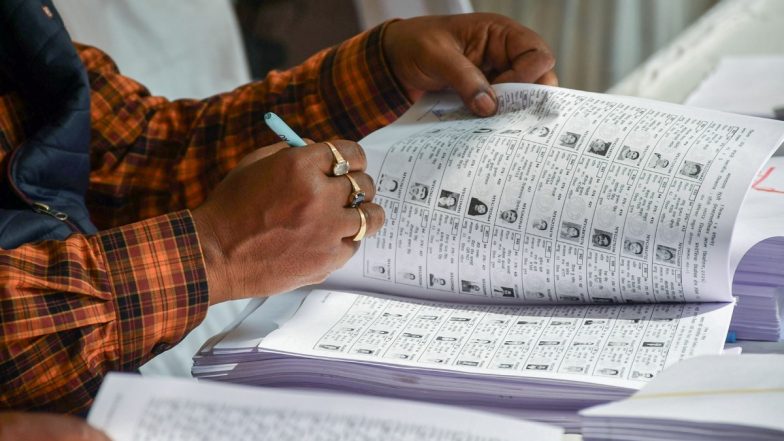
The Election Commission of India (ECI) has introduced limits on the number of Form 7 applications an individual elector can file to object to names in electoral rolls, aiming to prevent unsubstantiated bulk objections and reduce inconvenience to voters. The decision was announced on October 9, 2026, amid concerns over the misuse of the voter-deletion process.
Under the revised guidelines, an individual can submit a maximum of 10 Form 7 applications during the entire claims-and-objections period. During the continuous updation of electoral rolls, the limit is five applications per month. The restrictions apply to both online and offline submissions. Karnataka: CEO Orders Action Against False Form 7 Filings After Congress Protest.
Why Has the Election Commission Limited Form 7 Filings?
The ECI said it had received reports of individual electors filing multiple objections on unsubstantiated grounds. Such submissions caused avoidable inconvenience to voters whose names were challenged and increased the workload of election officials responsible for verifying the applications.
In a directive to the Chief Electoral Officers of all states and Union Territories, the Commission instructed officials to implement the new limits and ensure that objections are handled according to the prescribed procedures. The revised mechanism seeks to prevent excessive or potentially unjustified objections while maintaining the integrity of electoral rolls.
What Is Form 7 and Who Can File It?
Form 7 is used to object to the inclusion of a name in an electoral roll or request the deletion of an existing entry. Under Rule 13(2) of the Registration of Electors Rules, 1960, an objection must be submitted by a person whose name is already registered in the electoral roll of the constituency concerned.
Deletion can be sought on specified grounds, including the death of an elector, permanent shifting of residence, duplicate registration or ineligibility under the applicable rules. Filing an objection does not automatically result in the deletion of a voter's name. The application must be examined by the Electoral Registration Officer (ERO), who is responsible for deciding whether the objection is valid. BJP Booth Agent Faces FIR in Hyderabad Over Attempt to Remove 30 Muslim Voters From Electoral Rolls Using Form-7.
New Limits Apply to Online and Offline Applications
The Election Commission's revised instructions establish two limits for individual electors:
- Claims-and-objections period: A maximum of 10 Form 7 applications throughout the entire period.
- Continuous updation period: A maximum of five Form 7 applications per month.
The directive addresses concerns that, although online submissions were already subject to restrictions, the absence of a clear numerical ceiling on physical applications had created difficulties for election officials.
The new limits are intended to provide a more uniform framework for handling objections across states and Union Territories.
Verification Process for Voter Deletion Requests
The Commission's guidelines require Electoral Registration Officers to examine objections before taking a decision. Officials must verify the details provided, hear the objector where required and assess the validity of each application.
The person whose name is being challenged must also be given an opportunity to be heard in accordance with the applicable rules. The ERO can then dispose of the application under the relevant provisions of the Registration of Electors Rules, 1960. These safeguards are intended to ensure that names are not removed from electoral rolls solely on the basis of unverified allegations.
Background: Electoral Roll Revision and Voter Rights
Form 7 plays an important role in maintaining accurate electoral rolls by allowing eligible electors to flag entries that may require deletion or correction. However, objections must follow the prescribed legal process and cannot be used to arbitrarily challenge genuine voters.
The ECI's latest directive seeks to balance the need to remove ineligible or duplicate entries with the protection of eligible voters from unjustified deletion requests. The effectiveness of the revised limits will depend on their implementation by election officials and the scrutiny applied to individual objections before any changes are made to the electoral rolls.
(The above story first appeared on LatestLY on Oct 10, 2026 10:13 AM IST. For more news and updates on politics, world, sports, entertainment and lifestyle, log on to our website latestly.com).