El Nino Triggers Dual Health Crisis in India As WHO Issues High-Risk Alert Over Dengue, Malaria Surge
The WHO has placed India under 'high to very high' risk status as El Nino fuels a dual health crisis, mosquito-borne diseases and heat illness. Delhi alone logged 90 fresh dengue cases in August, its highest monthly count this year, alongside malaria cases tripling from 17 to 53.

The World Health Organization has issued a high-risk global health alert placing India under 'high to very high' risk status as the intensifying El Nino climate pattern drives a dual public health crisis across the country. The global health body has warned that unseasonal weather swings, sharp heat spikes and erratic rainfall across South Asia are triggering both a surge in mosquito-borne diseases like dengue and malaria and a dangerous rise in heat-related illnesses. The alert comes as vector-borne disease numbers worsen across major Indian cities, with Delhi emerging as one of the worst-hit metros so far this season.
Delhi Dengue And Malaria Cases Spike Sharply
Municipal data from Delhi shows August recorded 90 fresh dengue cases, the highest monthly count of the year, taking the seasonal total to 311 cases. Malaria cases in the capital tripled within a month, climbing from 17 in July to 53 in August, pushing the annual tally to 119 cases across municipal zones. Health officials point to extended breeding cycles of Anopheles mosquitoes in post-rain puddles as a key driver behind the malaria jump. El Nino Strengthens: How It Could Affect India’s Monsoon and Global Weather.
How El Nino Is Driving The Disease Surge
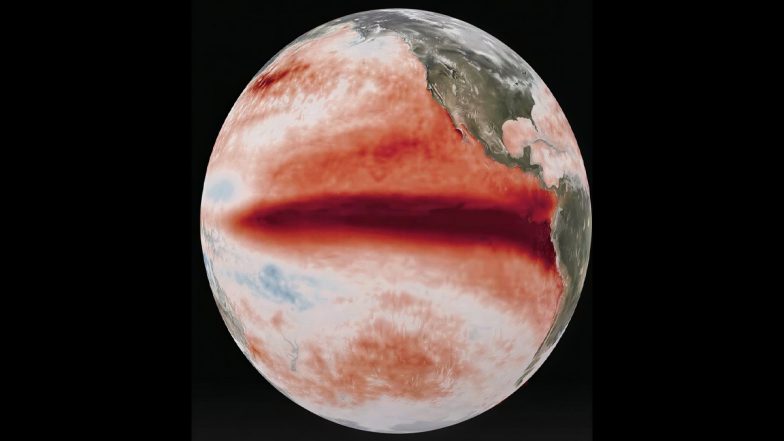
El Nino, caused by periodic warming of surface waters in the central and eastern Pacific Ocean, disrupts weather systems globally. In India, this shows up as prolonged dry spells, higher baseline temperatures and unpredictable monsoon rainfall, reports said.
This unstable weather pattern is fuelling the health crisis in two ways. Rising temperatures are speeding up the incubation of the dengue virus inside Aedes aegypti mosquitoes, while irregular rain is leaving stagnant water in drains, construction sites, coolers and household containers, creating fresh breeding grounds. At the same time, drier spells combined with above-normal heat during the late monsoon are raising the risk of heat exhaustion and heatstroke, particularly for people with existing heart, lung or kidney conditions. What Is El Nino and How Does It Affect Weather?
Explaining the localised impact, Dr Anjal Prakash, Clinical Associate Professor (Research) and Research Director at the Bharti Institute of Public Policy, said, 'El Nino isn't just elevating regional temperatures; it is destabilising our seasonal vector baselines. When urban centres experience unseasonal humidity mixed with prolonged thermal spikes, the biological replication rate of the vector speeds up significantly. Mosquitoes bite more frequently, and the viral incubation period drops. In heavily populated Indian metros, a two-degree uptick in average temperature transforms localised stagnant pools into rapid breeding zones for vector outbreaks.'
Who Is Most At Risk
Outdoor daily-wage workers and street vendors face heightened risk of heat exhaustion, dehydration and metabolic complications as above-normal temperatures are projected to persist into late autumn. Maternal, neonatal and paediatric patients are also flagged as particularly vulnerable, since high heat index levels add physical stress and can limit timely access to emergency care.
Heat Illness Or Dengue: How To Tell The Difference
Doctors say the overlapping conditions created by El Nino often produce similar-looking symptoms, making early diagnosis critical. Heat exhaustion and heatstroke typically present with heavy sweating or hot, dry skin, sudden confusion, dizziness, a rapid pulse and severe muscle cramps, with high body temperature but no viral symptoms. Dengue fever, on the other hand, shows up as high fever with intense pain behind the eyes, severe joint and muscle pain often called 'breakbone fever,' a skin rash, persistent nausea and a sudden drop in platelet count.
Precautions Households Can Take
Health authorities are urging households and communities to act on both fronts at once. Recommended steps include observing a weekly 'dry day' to empty and scrub water storage containers, cooler trays and flowerpot pans to break the mosquito breeding cycle, using DEET or Picaridin-based repellents and window screens, wearing light-coloured full-sleeved clothing, staying hydrated with ORS or coconut water, avoiding outdoor activity during peak afternoon heat, and reporting clogged drains or overflowing tanks to local ward officers.
(The above story first appeared on LatestLY on Sep 13, 2026 07:51 AM IST. For more news and updates on politics, world, sports, entertainment and lifestyle, log on to our website latestly.com).