How Does the Supreme Court Plan To Recover Unpaid Traffic Challans Through Electricity Bills?
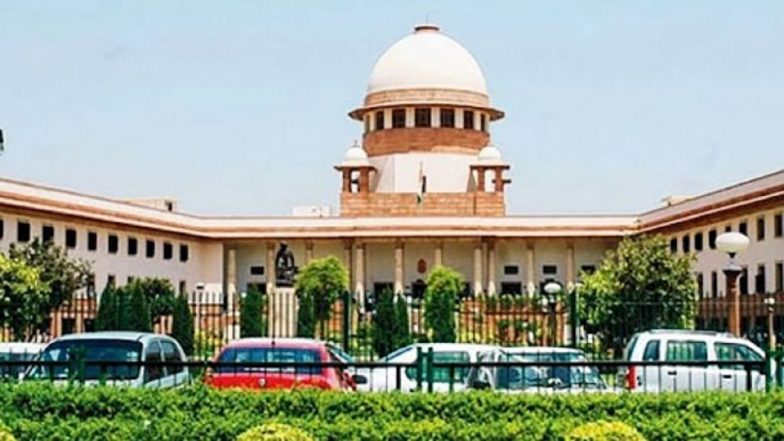
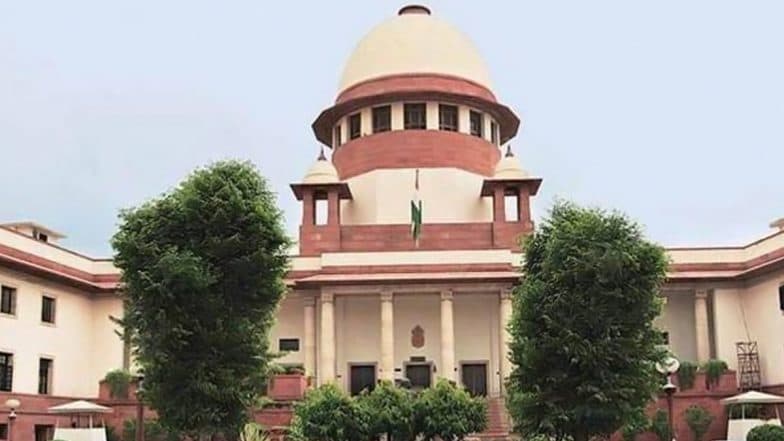
The Supreme Court has suggested linking unpaid traffic e-challans to electricity bills as part of efforts to recover thousands of crores in outstanding traffic fines across India. The suggestion came during a road safety hearing, with the bench observing that simply issuing digital challans would have little impact if offenders do not pay their dues.

- Read in
- हिंदी
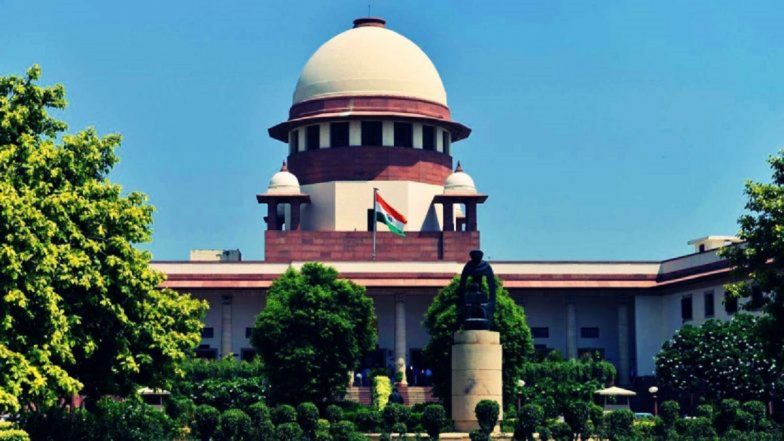
New Delhi, September 28: The Supreme Court has suggested linking unpaid traffic e-challans to electricity bills as part of efforts to recover thousands of crores in outstanding traffic fines across India. The suggestion came during a road safety hearing, with the bench observing that simply issuing digital challans would have little impact if offenders do not pay their dues.
A bench of Justices J.B. Pardiwala and K.V. Viswanathan said authorities need to develop stronger mechanisms to ensure recovery of traffic penalties. The court was informed that e-challan dues across states and Union Territories stood at around INR 45,000 crore, of which approximately INR 25,000 crore had been recovered, leaving nearly INR 20,000 crore outstanding.
Supreme Court Suggests Electricity Bill Linkage
During the hearing, the bench suggested adding unpaid traffic challans to electricity bills so that persistent defaulters face an additional incentive to clear their dues. The court also suggested exploring measures under which failure to pay utility bills could lead to disconnection. CBSE Third-Language Rule: Supreme Court Extends Exemption to Class 6 Students.
Supreme Court Suggests Linking Unpaid Traffic Challans to Electricity Bills to Recover Dues
If people are not paying traffic challans, add it to their electricity dues bill. They’ll have to pay electricity bills else power line will be disconnected. Work it out. In this country, you have to find a way out: Supreme Court suggests pic.twitter.com/BtAGHbufc3
— Bar and Bench (@barandbench) September 28, 2026
The observation came amid concerns over weak recovery mechanisms despite the widespread use of digital traffic enforcement systems.
Court Suggests Restrictions for Traffic Challan Defaulters
The Supreme Court also suggested several administrative measures against vehicle owners with long-pending challans. These include flagging non-compliant vehicles on the central Parivahan portal and restricting access to certain vehicle-related services. TMC Name, Symbol Dispute: Supreme Court Asks ECI to Decide Case Within 3 Months.
The proposed measures include withholding renewals or issuance of registration certificates, fitness certificates, duplicate vehicle documents and Pollution Under Control certificates. The bench also suggested blocking driving licence renewals and suspending licences in cases involving repeat defaulters.
The court further recommended random roadside checks and suggested that vehicles with substantial pending challans could be impounded during enforcement drives.
Supreme Court Reviews Road Safety Compliance
The observations were made during the hearing of a Public Interest Litigation filed in 2012 by Coimbatore-based orthopaedic surgeon Dr S. Rajaseekaran. The PIL seeks institutional reforms, improved infrastructure and stronger enforcement measures to reduce road accidents and fatalities.
The bench also questioned the implementation of directions issued by the Supreme Court over the past 14 years, stressing the need to assess whether judicial orders are being implemented on the ground.
The court directed Senior Advocate Gaurav Agrawal, who is assisting the court as amicus curiae, to prepare a status chart covering earlier directions, implementation timelines and the current compliance position across jurisdictions.
(The above story first appeared on LatestLY on Sep 28, 2026 08:31 PM IST. For more news and updates on politics, world, sports, entertainment and lifestyle, log on to our website latestly.com).