Mumbai Water Cut: BMC Warns of Criminal Action Against Citizens Caught Using Electric Pumps To Siphon Off Water From Pipelines Amid 10% Water Shutdown
The BMC has implemented a mandatory 10 per cent water cut across Mumbai due to low reservoir levels and a below-normal monsoon forecast. Additional Municipal Commissioner Abhijit Bangar has ordered a strict crackdown, including seizing equipment, issuing fines, and filing criminal cases against residents illegally using electric suction pumps.

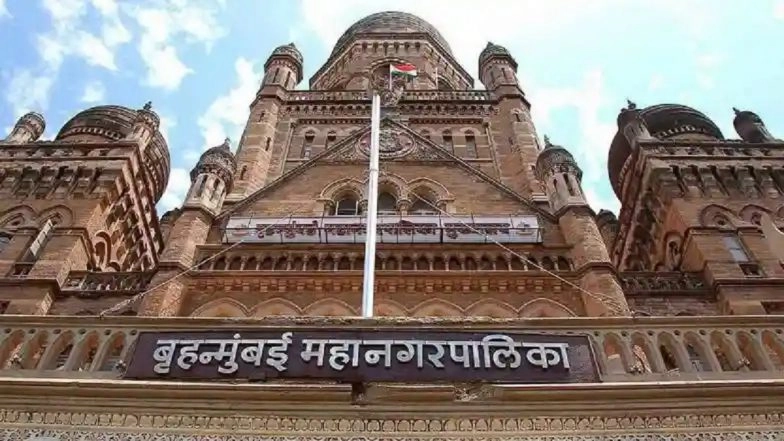
The Brihanmumbai Municipal Corporation (BMC) has warned of stringent legal action, including the registration of criminal cases, against citizens caught using electric pumps to illegally siphon off water from main pipelines. The warning coincides with the implementation of a mandatory 10 per cent water cut across the metropolis, which took effect as a precautionary measure to conserve the city's dwindling reservoir stocks.
Dwindling Lake Levels and Climate Factors
The city-wide water reduction was enforced following a sharp decline in water stocks across the seven catchment area lakes that supply the metropolis. Weather forecasts from the India Meteorological Department (IMD) have indicated a below-normal southwest monsoon season, heavily influenced by El Niño and Indian Ocean Dipole (IOD) patterns. Mumbai Water Cut: BMC Announces 12-Hour Water Supply Disruption in Chembur and Neighbouring Areas Starting May 18; Check List of Affected Areas.
According to data released by the BMC, the total usable water stock in the city's seven primary reservoirs stood at 340,399 million litres. This volume represents just 23.52 per cent of Mumbai's annual required stock of 14,47,363 million litres, prompting administrators to stretch the current supply safely into August. The water cut also impacts surrounding regions relying on the BMC network, including the Thane and Bhiwandi-Nizampur municipal corporations.
Crackdown on Illegal Electric Pumps
During an administrative review, Additional Municipal Commissioner Abhijit Bangar directed civic officials to intensify field inspections and crack down on unauthorised water extraction. The civic body noted that investigations have revealed widespread instances of residents installing high-powered electric suction pumps directly onto public pipelines and domestic tap connections to pull excess water. Bangar emphasised that these illegal operations lower water pressure for surrounding households and compromise structural safety. "Such illegal practices put additional stress on the water distribution system and increase the risk of contamination entering pipelines," he stated. Field engineers have been authorised to immediately seize unauthorised equipment, levy heavy fiscal penalties, and register police complaints against repeat offenders, who will also face permanent disconnection of their water supply.
Ward-Wise Micro-Planning and Contingency Reserves
To minimise the public impact of the rationing, the hydraulics engineering department has been instructed to execute ward-wise micro-planning. Engineers are tasked with monitoring elevated zones and tail-end pockets of the distribution system that are historically vulnerable to low-pressure supply. Field teams have been instructed to remain on-site at major distribution junctions to address citizen complaints and coordinate directly with local public representatives. To stabilise the distribution deficit during the coming months, the BMC will also begin drawing from state-allocated emergency reserves. This includes an additional 1,47,092 million litres sourced from the Bhatsa Dam reserve and 90,000 million litres from the Upper Vaitarna Dam storage. Mumbai: Water Cut Begins Today; What Precautionary Measures Housing Societies Are Taking.
Background and Water Source Infrastructure
Mumbai's massive daily freshwater supply depends entirely on rain-fed surface water gathered across three districts: Mumbai, Thane, and Nashik. The interconnected grid consists of seven major lakes: Tulsi, Vihar, Bhatsa, Modak Sagar, Tansa, Upper Vaitarna, and Middle Vaitarna. Because the city has limited alternative groundwater infrastructure due to high coastal salinity, the BMC manages these lake reserves strictly based on seasonal variations. Civic authorities have urged housing societies and citizens to adopt immediate conservation habits, check building plumbing lines for hidden leaks, and eliminate non-essential water usage until regular monsoon rainfall recharges the catchment zones.
(The above story first appeared on LatestLY on May 17, 2026 12:11 PM IST. For more news and updates on politics, world, sports, entertainment and lifestyle, log on to our website latestly.com).