Mumbai Water Tanker Strike From June 8: City Faces Fresh Water Supply Concerns Amid 10% Cut
Mumbai's private water tanker operators will suspend services from Monday, citing difficulties in complying with Central Ground Water Authority regulations. The strike comes as the city faces a 10% water cut and declining reservoir levels. Residents, housing societies and the hospitality sector fear major disruptions, as tanker supplies meet nearly 8% of Mumbai's daily water requirements.

- Read in
- हिंदी
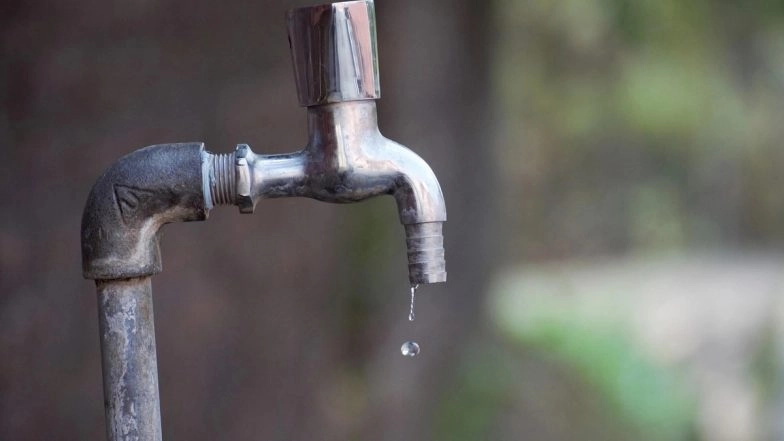
Mumbai's private water tanker operators have announced an indefinite suspension of services from Monday, June 8, raising concerns over water availability in the city as residents already face a 10% water cut and declining reservoir levels ahead of a potentially deficient monsoon season.
The strike could significantly impact households, businesses and institutions that depend on tanker supplies. Around 8% of Mumbai's water requirements are met through tanker services, making them a crucial alternative when municipal water supply falls short. Mumbai: Tanker Strike From June 7 May Trigger Major Water Shortage Across Housing Societies, Hospitals and Industries.
Mumbai Water Tanker Strike From June 8
The Mumbai Water Tanker Association said the decision to suspend services stems from conditions imposed under the Central Ground Water Authority (CGWA) framework, which regulates groundwater extraction through wells and borewells used by tanker operators.
“We have decided to suspend services until a meeting is held with the authorities and an amicable solution is arrived at through discussion and consultation,” said Ankur Sharma, spokesperson of the association. Mumbai Water Crisis: Reservoirs Drop to 15% As Weak Monsoon Forecast by IMD Puts BMC on High Alert.
Under the current rules, private tanker suppliers are required to obtain a No-Objection Certificate (NOC), provide proof of ownership of at least 200 square metres of land where the well is located, submit tanker ownership and water quality documents, install tamper-proof digital flow meters with telemetry, and ensure compliance with Bureau of Indian Standards (BIS) drinking water norms.
Association Says Conditions Are Not Practical
According to tanker operators, complying with the regulatory framework is difficult in Mumbai's urban environment. “This is a recurring issue. The conditions prescribed by the CGWA are not feasible for Mumbai. It is not financially viable for us to continue operations under these regulations, which is why we have been compelled to suspend services,” said Jasbir Singh Bira, president of the association, which represents around 2,000 tankers across the city.
The association is seeking discussions with authorities to address operational and compliance concerns before resuming services.
Residents Fear Water Supply Disruptions
The announcement has caused concern among residents who rely on tanker water to bridge gaps in municipal supply.
“The BMC does not provide water consistently and we depend on tankers to get through periods when there is no municipal supply,” said Mandeep Singh Makkar, chairperson of Synchronicity Cooperative Housing Society in Chandivali.
Many housing societies in suburban areas regularly depend on tanker deliveries, particularly during periods of reduced municipal supply and peak summer demand.
The hospitality industry has also expressed concern over the proposed strike, warning of operational challenges if tanker supplies are interrupted. Rahul Rohra, who owns Veranda restaurants in Bandra and Khar, said hotels and restaurants depend heavily on tanker water.
“Water pressure has not been sufficient for some time and many establishments rely on groundwater sources. If tanker services stop, it could trigger an LPG-like crisis in the hospitality sector. There is also the possibility of a black market emerging for tanker water,” said Rohra.
Mumbai relies on a combination of reservoir water, municipal distribution networks and private tanker supplies to meet its daily water demand. Tanker services become especially important during periods of water cuts, infrastructure maintenance and seasonal shortages.
With reservoir levels under pressure and a 10% water cut already in effect, the planned suspension of tanker services could further strain water availability across several parts of the city unless a resolution is reached between operators and authorities.
(The above story first appeared on LatestLY on Jun 07, 2026 04:14 PM IST. For more news and updates on politics, world, sports, entertainment and lifestyle, log on to our website latestly.com).