Mumbai Water Crisis: Reservoirs Drop to 15% As Weak Monsoon Forecast by IMD Puts BMC on High Alert
The BMC is bracing for a water crisis as Mumbai's reservoir stocks dropped to 15 per cent, leaving only 45 days of supply. Complicated by the IMD downscaling its monsoon forecast to 90 per cent of the LPA due to El Niño, the civic body has enforced a 10 per cent water cut, intensified crackdowns on illegal siphoning, and monitored commercial tanker rates.

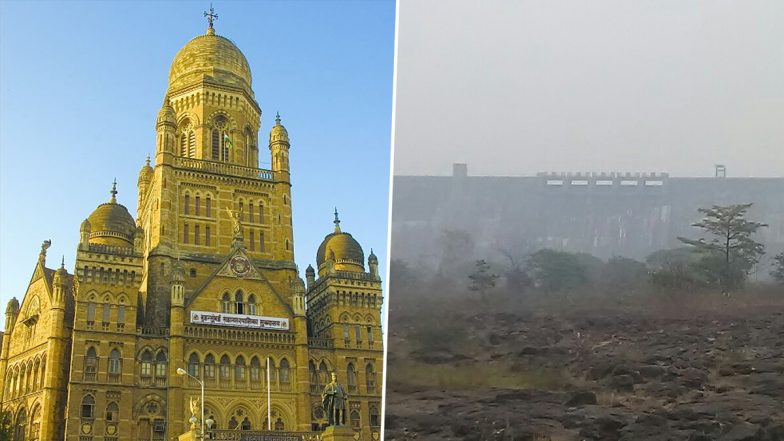
The Brihanmumbai Municipal Corporation (BMC) has intensified its contingency planning as Mumbai's potable water reserves have dropped to 15 per cent of total capacity, leaving the city with an estimated 45 days of supply. Anxiety within the civic administration has been heightened by the India Meteorological Department’s (IMD) revised monsoon forecast, which downscaled expected national rainfall to 90 per cent of the Long Period Average (LPA). Because Mumbai depends entirely on annual rainfall to replenish its reservoirs, a delayed or weak monsoon could trigger a significant water security crisis extending into 2027.
Current Water Stock Levels in Lakes and Municipal Projections
According to municipal data, the cumulative stock across Mumbai's seven supplying lakes - Upper Vaitarna, Modak Sagar, Tansa, Middle Vaitarna, Bhatsa, Vihar, and Tulsi - stands at approximately clakh million litres. In the BMC’s water budgeting framework, every 1 per cent of total reservoir capacity translates to roughly three days of potable water for the metropolis. At the current 15 per cent threshold, existing reserves are calculated to sustain the city's baseline requirements for exactly 45 days. Mumbai Weather Forecast for Tomorrow, Thursday, 04 June 2026: Expect Thunderstorms With a High of 33°C and 84% Rain Chance.
The city is currently operating under a mandatory 10 per cent water cut, which was implemented as a precautionary measure on May 15 to stretch remaining reserves into mid-August. Senior civic officials held closed-door strategy sessions to map long-term resource management, concluding that while there is no immediate plan to increase the daily water rationing, a final decision will depend heavily on rainfall patterns monitored over the next two months.
The El Niño Threat and Evaporation Risks
Weather patterns linked to the El Niño weather system have further complicated municipal planning. Beyond the risk of direct monsoon deficits, the system is associated with prolonged, warmer weather conditions. Civic engineers warned that if the reservoir catchment areas fail to receive heavy rainfall during June and July, subsequent high atmospheric temperatures later in the year could drastically accelerate evaporation rates. "If the lakes do not receive adequate rain and additionally the city experiences intense heat during October, it could further lead to faster evaporation of lake water. This could create a concerning situation during Summers of 2027," a senior BMC official stated.
Enforcement Measures and Vulnerabilities
Unlike other major metropolitan areas that can supplement their needs via deep groundwater grids or perennial river networks, Mumbai features no major alternative potable source, rendering it singularly vulnerable to a weak monsoon. Nominally, the city's network distributes roughly 3,950 million litres per day (MLD). To curb systemic distribution losses and prevent exploitation as supply strains increase, the BMC has launched targeted enforcement campaigns:
- Tanker Price Monitoring: Enhancing vigilance at regional water filling points to regulate commercial water tankers, preventing price gouging as private demand climbs.
- Crackdown on Siphoning: Deploying field engineers to identify and confiscate illegal electric pumps used by residents to draw excess water directly from main pipelines, a practice that lowers distribution pressure in elevated or tail-end localities.
- Legal Remedies: Municipal Commissioner Abhijit Bangar has directed officials to register formal criminal cases against repeat offenders and disconnect lines where illegal siphoning occurs.
Long-Term Planning Phase by BMC
Historically, the heavy cloudbursts characteristic of the monsoon’s initial two months are sufficient to fill the dams completely, with subsequent rainfall simply overflowing out of the catchment zones. However, the lower initial projections mean the city must brace for a scenario where reservoirs fail to reach full capacity by October. If the primary catchment zones remain dry through July, the BMC may be forced to seek state government clearance to draw from emergency "dead storage" reserves within the Bhatsa and Upper Vaitarna systems - a step previously taken during past deficit cycles. Will Mumbai Face a Water Crisis? BMC Monitors Lake Levels As Reservoir Stock Falls to 15%.
For the immediate term, the administration has issued public advisories requesting housing societies and commercial establishments to implement internal conservation practices to minimise non-essential water consumption.
(The above story first appeared on LatestLY on Jun 03, 2026 08:00 PM IST. For more news and updates on politics, world, sports, entertainment and lifestyle, log on to our website latestly.com).