What Is Cerebral Malaria? 2 Children Die in Chhattisgarh’s Kanker Amid Spike in Malaria Cases
Two children have died of cerebral malaria in Chhattisgarh's Kanker district, while five others are undergoing treatment as malaria cases rise during the monsoon. The health department has intensified screening in villages and tribal schools, with officials saying adequate testing kits and medicines are available to contain the outbreak.

Two children have died of cerebral malaria in Chhattisgarh's Kanker district, while five others are undergoing treatment at the Government Medical College Hospital as malaria cases rise during the monsoon season, officials said on Monday. In response, the health department has intensified screening in villages, tribal residential schools and hostels across the district to identify infections early and prevent further spread.
Health officials said positive malaria cases began emerging during a district-wide screening drive launched on July 24. Children with mild symptoms are being treated at home, while those with severe illness are being referred to hospitals for specialised care. Chhattisgarh Iron Plant Blast: 6 Dead, 5 Injured in Massive Kiln Explosion at Baloda Bazar (Watch Videos).
What is Cerebral Malaria?
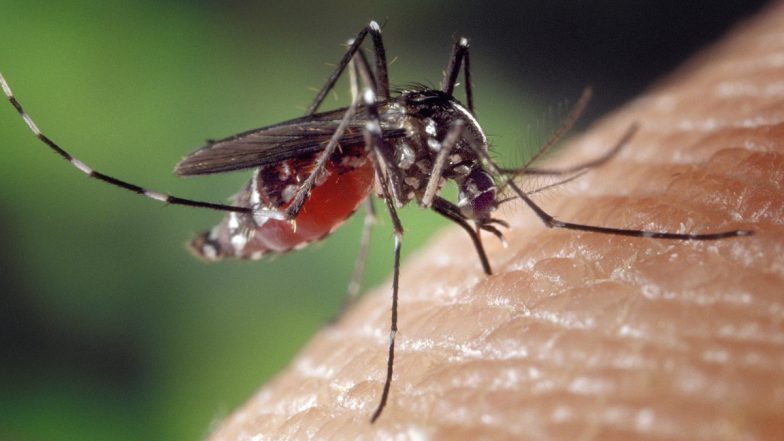
Cerebral malaria is a life-threatening neurological complication caused by infection with the Plasmodium falciparum parasite, the most severe form of malaria.
The disease can affect the brain and may lead to seizures, coma, permanent neurological damage and death if prompt medical treatment is not provided. Children and people living in malaria-endemic areas are among the most vulnerable.
Two Children Succumb to the Disease
According to Chief Medical and Health Officer (CMHO) RC Thakur, eight-year-old Kareena Vishwakarma, a resident of Domanharra village, died at the Government Medical College Hospital on July 25 after being referred from a nearby community health centre when her condition deteriorated.
Nine-year-old Subhash Kumeti, a student at a tribal boys' residential ashram in Mardapotti village, died a day later.
Officials said Kumeti had initially tested negative during a malaria screening camp conducted at his hostel on July 22, although three to four other students tested positive and received treatment. He developed symptoms on July 24, later tested positive for malaria, and was admitted to the Government Medical College Hospital after his parents were informed. He subsequently died during treatment.
Following the deaths, the health department has stepped up malaria screening across villages, tribal hostels and residential schools in coordination with other departments. “We have adequate stocks of testing kits and medicines. Health teams, in coordination with other departments, are carrying out extensive screening and treatment in affected areas,” Thakur said.
Officials said five children from different parts of the district remain admitted to hospital with malaria, while those with milder symptoms are receiving treatment at home.
Authorities also referred to the recent death of another child from a tribal residential school in Sarandi village, who had earlier been diagnosed with malaria.
Officials said the child had recovered from the infection before his death. Following allegations that malaria was responsible, the body was exhumed for a post-mortem examination. Preliminary autopsy findings did not indicate malaria as the cause of death, although the detailed post-mortem report is still awaited.
With malaria cases increasing during the monsoon, health authorities are continuing active surveillance and screening in vulnerable areas to detect infections early and ensure timely treatment.
Officials have advised people in affected areas to seek immediate medical attention if symptoms such as persistent fever, chills, headache or altered consciousness develop, as early diagnosis and treatment are critical in preventing severe complications such as cerebral malaria.
(The above story first appeared on LatestLY on Jul 27, 2026 05:48 PM IST. For more news and updates on politics, world, sports, entertainment and lifestyle, log on to our website latestly.com).