Pepsi, Red Bull and Others Ordered To Remove 'Energy Drink' Labels in India by FSSAI; Here's Why
FSSAI has directed beverage companies to remove the 'energy drink' label from high-caffeine products within 90 days due to a lack of standards and misleading claims, despite objections from major brands. The mandate applies despite objections from major global and domestic brands, including Pepsi, Red Bull, Monster Beverage, Reliance, and Hell Energy.

- Read in
- हिंदी
India’s food safety regulator FSSAI has directed beverage companies to remove the term "energy drink" from product labels, citing a lack of official standards and the potential for misleading consumer claims. The mandate applies despite objections from major global and domestic brands, including Pepsi, Red Bull, Monster Beverage, Reliance, and Hell Energy. Industry representatives have been granted a 90-day window to implement the labelling changes.
Regulatory Stance and Compliance Timeline
The Food Safety and Standards Authority of India (FSSAI) stated that official standards do not currently exist for products marketed under the category of energy drinks. The regulator noted that marketing phrases such as "vitalises body and mind" or "helps in general weakness" could mislead the public. FSSAI Issues Notices to Red Bull, PepsiCo India, Campa, Sting, Other Brands Over 'Energy Drink' Claims.
During a meeting with industry stakeholders, FSSAI Chief Executive Rajit Punhani dismissed concerns that the directive would adversely impact business operations, indicating that companies retained the option to challenge the decision in a court of law. Following discussions, government sources confirmed that industry representatives agreed to comply with the directive and will transition their packaging over the next 90 days.
Industry Response and Market Context
The Indian Beverage Association, representing leading beverage firms, urged the regulator to pursue a more consultative framework. In a July 6 letter addressed to the FSSAI, the association cautioned that issuing public directives of this nature could damage brand reputations, disrupt commerce, and create consumer confusion. It advocated for ongoing dialogue centred on science-based policymaking. The regulatory shift comes as India's high-caffeine beverage market experiences rapid expansion, accelerated in part by the 2017 introduction of affordable brands like Pepsi's Sting, which gained traction among younger demographic groups and rural consumers.
Market research firm Euromonitor projects the sector will reach USD 1.6 billion USD by 2028, reflecting a projected annual growth rate of 12.6 per cent. Sales volumes previously doubled annually between 2018 and 2023. Why Are Newspapers Unsafe for Food? FSSAI Reveals Health Risks Behind a Common Practice, Orders Immediate Stop.
Early Enforcement Actions
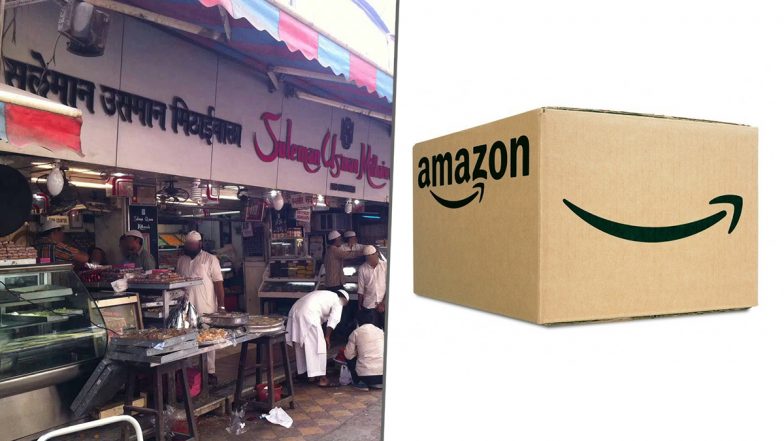
Enforcement measures have already commenced at the state level. Authorities in Rajasthan have seized thousands of bottles of brands including Sting, Campa Energy, and Red Bull. Additionally, the Rajasthan state government issued directives on July 8 instructing major e-commerce platforms - including Amazon, Flipkart, Blinkit, and Swiggy Instamart - to halt the promotion of these items as energy drinks. Representatives from the e-commerce platforms did not respond to requests for comment.
(The above story first appeared on LatestLY on Jul 27, 2026 04:23 PM IST. For more news and updates on politics, world, sports, entertainment and lifestyle, log on to our website latestly.com).