What Challenges Do Indian Workers Face as US H-1B Rules Get Stricter?
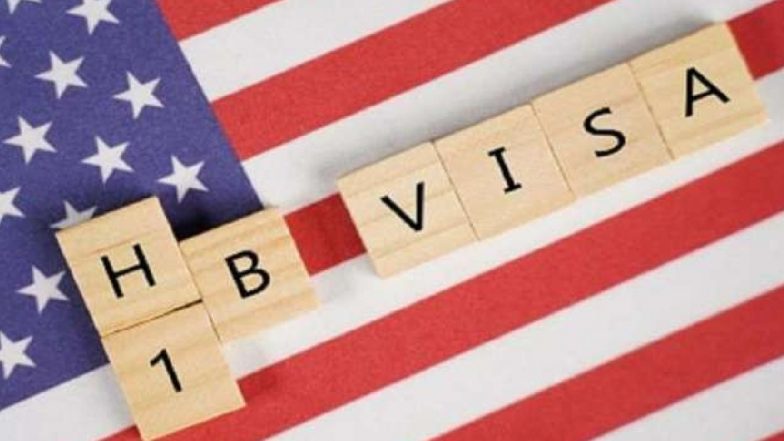
The US administration is tightening H-1B visa scrutiny through compliance audits of companies that have recently laid off domestic workers. New measures include higher sponsorship costs for certain overseas applicants, workplace inspections and proposed changes to the visa lottery. Indian tech professionals could face greater hiring and job-security uncertainty.

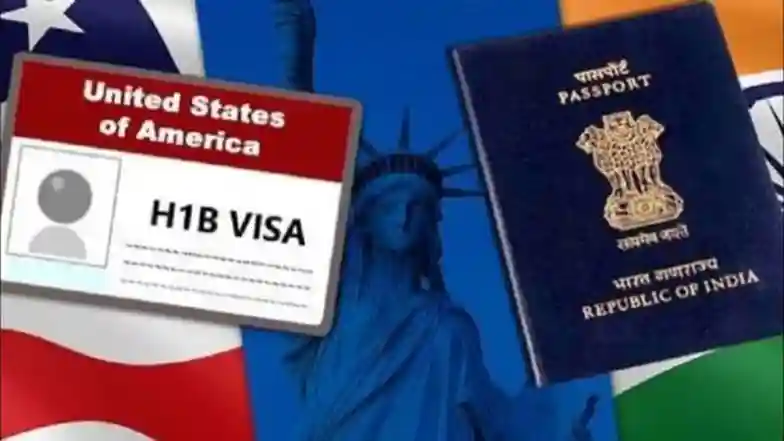
The United States administration has escalated its regulatory scrutiny surrounding the H-1B visa programme, introducing rigorous compliance audits for companies that have recently laid off domestic workers. The policy measures are designed to ensure that the employment-based framework is used exclusively to fill specialized talent shortages rather than replace local personnel with international professionals.
The executive directive introduces multi-agency collaboration across the Departments of State, Labor, and Homeland Security to evaluate hiring practices and past workforce reductions. As per a report by Moneycontrol, these cumulative policy shifts carry substantial weight for Indian technology professionals who historically account for the vast majority of approved H-1B petitions. Will H-1B Visas Get Harder for Indians? JD Vance Says Companies Laying Off Americans Shouldn’t Hire Foreign Workers.
Financial Hurdles and Visa Entry Restrictions
A prominent component of the tightened framework involves extended financial mandates affecting incoming foreign talent. The administration has prolonged a controversial restriction requiring a substantial payment for specific H-1B applicants seeking entry from outside the country. While this measure targets overseas petitions, it substantially increases sponsorship overheads for companies recruiting directly from international technology hubs.
In addition to financial barriers, federal investigators have ramped up physical and digital verification drives. Enforcement bodies are actively auditing labor condition applications and investigating suspected loopholes, resulting in thorough field evaluations at corporate offices to clamp down on fraudulent applications.
Impact on Workers Already Based in the US
For Indian professionals already residing and working inside the United States, the changing regulatory climate introduces unique professional vulnerabilities. Proposals to eliminate the standard discretionary 60-day grace period following employment termination remain under active consideration, which would severely truncate the window available for laid-off workers to secure alternative sponsorship. H-1B Visa Programme May ‘Look Very Different’ in 1 Year as US Expands Fraud Investigation.
Furthermore, proposed modifications to the visa allocation mechanism indicate a shift away from random lottery selection toward a wage-weighted system. By prioritizing higher-compensated positions, the administration aims to reward advanced skill classifications, though this transition adds further unpredictability for mid-tier applicants and junior engineers.
(The above story first appeared on LatestLY on Sep 29, 2026 07:50 AM IST. For more news and updates on politics, world, sports, entertainment and lifestyle, log on to our website latestly.com).