How To Handle the National Flag After Independence Day 2026: Complete Guide to Folding, Storage and Proper Disposal
After Independence Day celebrations end, the Tricolour should not be discarded carelessly. The Flag Code allows year-round display and lays down clear rules for folding, storing and, if damaged, privately destroying the flag with dignity, keeping the Ashoka Chakra visible in the final fold.

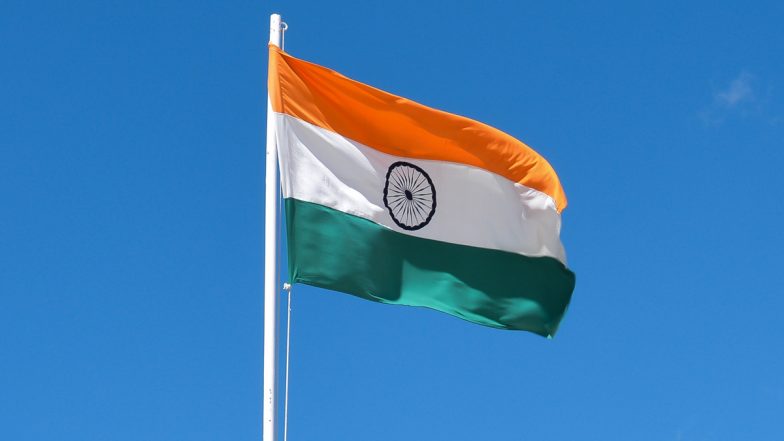
The sight of the Tricolour fluttering from balconies, rooftops and windows is one of the most stirring images of Independence Day. On August 15, 2026, as India marks its 80th Independence Day, thousands of households are once again bringing the national flag into their homes as part of the spirit of Har Ghar Tiranga. But patriotism does not end when the celebrations do. Once the flag is lowered, there is an important question that often gets overlooked: where and how should you keep the Tiranga?
The answer is not to fold it casually and push it into a drawer, leave it on the floor or throw it away with other household waste. The Flag Code of India, along with the government's official guidance on the national flag, lays down principles for handling, storing and disposing of the Tricolour with dignity.
Can You Keep The National Flag After August 15?
Yes. There is no requirement to discard a national flag simply because Independence Day is over. In fact, the Flag Code permits a member of the public to display the National Flag on all days and occasions, provided it is done with dignity and honour. A major change made in July 2022 also allows the flag, when displayed in the open or at the house of a member of the public, to be flown day and night. Independence Day 2026: PM Narendra Modi’s 75-Minute Speech Shortest in 4 Years.
So, if your flag is clean, intact and in good condition, it can be carefully folded and preserved for future use.
How To Fold The Tricolour Correctly
The government-backed Har Ghar Tiranga guidance provides a specific method for folding and storing the flag:
Step 1: Place the flag horizontally. Lay the Tricolour flat, taking care that it does not touch the ground or a dirty surface.
Step 2: Fold the saffron and green bands underneath the white band. The two outer colour bands should be folded beneath the middle white band.
Step 3: Fold the white band carefully. The final fold should leave the Ashoka Chakra visible, along with portions of the saffron and green bands.
Step 4: Carry it carefully. The folded flag should be carried on the palms or arms and placed in a safe location.
This folding method was specifically circulated by the Ministry of Culture during the Har Ghar Tiranga campaign and has since been reproduced in official campaign material and government-backed guidance. Independence Day 2026: PM Narendra Modi Delivers 13th Consecutive Speech, Becomes 2nd Prime Minister To Reach Milestone.
Where Should You Store The Flag?
The Flag Code does not prescribe a particular cupboard, box or shelf. What it does require is that the flag must not be used or stored in a manner that may damage or soil it. It also must not be allowed to touch the ground or floor or trail in water.
For households, the practical approach is therefore simple:
- Keep the folded flag in a clean, dry and protected place
- Avoid damp areas where moisture could cause mould or staining
- Do not pile heavy objects on top of it
- Do not crumple it into a small bundle
- Keep it away from dust, mud, water and anything that could tear or soil the fabric
- If storing it in a cupboard or box, ensure the container itself is clean and dry
What If The Flag Gets Dirty Or Damaged?
This is where the rules become particularly important. A damaged or dishevelled National Flag should not be displayed. The Flag Code says that when the flag is in a damaged or soiled condition, it should not simply be cast aside or disrespectfully disposed of. Instead, it should be destroyed as a whole in private, preferably by burning, or by another method consistent with the dignity of the National Flag.
That means a torn or badly worn Tricolour should not be put out with ordinary household rubbish, left on the roadside or thrown on the ground. The official guidance is deliberately framed around dignity rather than prescribing one universal disposal mechanism.
What About Paper Flags?
Paper Tricolours are commonly distributed during Independence Day celebrations. The Flag Code specifically says paper flags used by the public should not be discarded or thrown on the ground after an event. As far as possible, they should be disposed of privately, consistent with the dignity of the National Flag. This is particularly relevant after large public celebrations, when thousands of small paper flags can otherwise end up mixed with litter.
Don't Turn The Tiranga Into Household Decoration
Another common mistake is to treat the national flag like a decorative banner once the celebrations are over. The rules prohibit using the National Flag as a festoon, rosette, bunting or for decoration. It should not be used as a table covering, drapery, wrapping material or a covering for a building.
The Prevention of Insults to National Honour Act also specifically addresses several forms of disrespect, including intentionally allowing the flag to touch the ground or floor, using it as a drapery, or displaying it upside down. In other words, a Tricolour that has finished its ceremonial use should not be repurposed into a decorative cloth.
If the Tricolour you hoisted on August 15 is clean and undamaged, don't throw it away. Fold it correctly, keep the Ashoka Chakra visible in the final fold, and store it safely in a clean, dry place.
(The above story first appeared on LatestLY on Aug 15, 2026 12:13 PM IST. For more news and updates on politics, world, sports, entertainment and lifestyle, log on to our website latestly.com).