China Has Withheld Samples of Bird Flu From the World for a Year, a Move That Could Cost Thousands of Lives
China's reluctance to share samples of bird flu could be a protest against Trump administration's decision to impose trade tariffs on it.

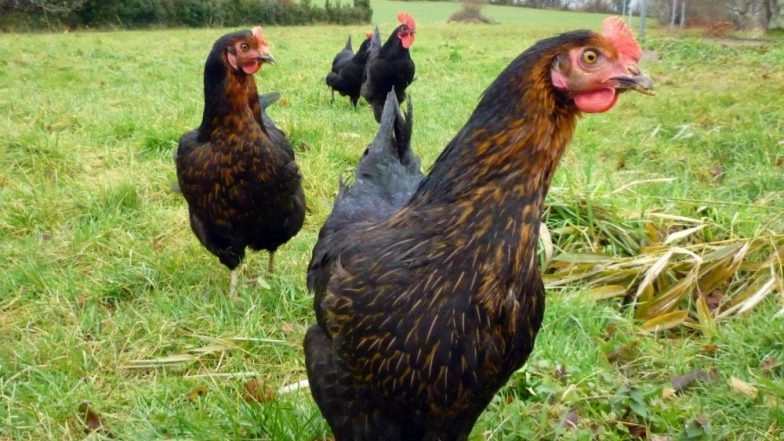
In a stunning revelation, the Chinese government has withheld samples of a virulent strain of bird flu. The US government’s repeated requests for the samples of the H7N9 for developing vaccines and treatment have been met with reluctance on China’s part. The tussle between the nations could prove costly since the influenza virus is a fast-evolving specimen that can claim thousands of loves if it assumes epidemic proportions. The refusal has understandably ticked off US experts who are confused by China’s indifference. The transfer of samples is mediated by WHO rules and can take months. The souring trade relationship between the two countries, especially Trump administration’s decision to impose tariffs against China, could be the possible reason behind the Chinese government’s refusal.
Dr Michael Callahan, an infectious disease specialist at Harvard Medical School, told the New York Times that “jeopardising US access to foreign pathogens and therapies to counter them undermines our nation’s ability to protect against infections which can spread globally within days.”
China’s reluctance in the case of H7N9 samples could prove fatal since health officials all over the world opine that the world’s next global pandemic could be caused by a “repeat offender” the flu. Ebola has reared its head again in the Congo and India has just had its brush with the devastating Nipah virus.
The Background of Avian influence A H7N9
The first case of the avian influenza A or h7N9 virus was reported in March 2013 in China. According to the Center for Diseases Control and Prevention (CDC), sporadic cases of epidemics have been reported in China since 2013. The fifth epidemic in 2016-2017 was the largest one where the WHO said 766 human infections with Asian H7N9 virus. Ever since the first epidemic in 2013, 1565 cases of the infection has been reported.

Human infections with avian influenza viruses, which includes H7N9 virus, are a result of exposure to infected poultry or contaminated environments like poultry markets. H7N9 has been circulating through poultry in China ever since the first contagion. Although it’s rare, there have been cases of person-to-person spread of the infection although they are not sustained. The disease needs to be contained because most people who get infected with the virus become severely ill. Fact or Hoax: Will Eating Chicken or Fruits Cause Nipah Virus Infection?
Why is China's Reluctance Dangerous?
Studying the virus is of timely importance to the scientists since they need the samples to understand the mutations of the pathogens. The knowledge will help them formulate vaccines in case of possible contagion. CDC believes that although the current risk to public health posed by the Asian H7N9 virus is low, the pandemic potential is high.
If strained trade ties are the reason behind China’s reluctance to share valuable knowledge, the consequences can be devastating. The influenza virus is highly mutable or continually evolving. There’s a possibility that the virus could spread quickly and infect hordes of people, triggering a global outbreak. According to the Influenza Risk Assessment Tool, H7N9 virus has the highest potential to cause a contagion. And if ever the disease achieves sustained human-to-human transmission, there’s no saying how difficult it would be for governments to contain the pandemic.
(The above story first appeared on LatestLY on Aug 29, 2018 01:37 PM IST. For more news and updates on politics, world, sports, entertainment and lifestyle, log on to our website latestly.com).