Real Cost of Cooking: How Much Energy-Efficient Appliances Actually Save
Every cooking method uses energy differently. Gas stoves lose heat around the sides of vessels, while electric appliances direct heat towards food. However, efficiency depends on cooking time, appliance size, temperature settings, and quantity.

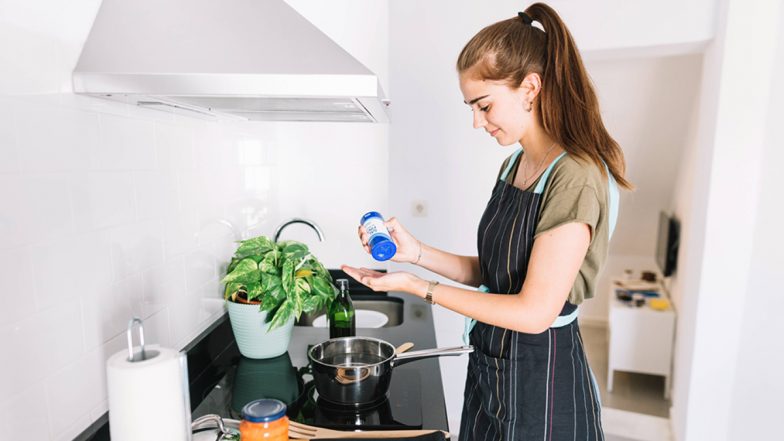
Cooking costs are judged by ingredient prices, but the energy used adds up quietly. Extra heating, repeated boiling, or running a large appliance for a small task can increase monthly expenses. This is why energy-efficient cooking is not only about convenience. It is about using the right appliance for the right job.
Appliances such as an Electric pressure cooker, Juicer Mixer grinder, and Oven toast griller can reduce unnecessary energy use when operated wisely. The savings may not look dramatic after one meal, but over several months, smarter habits can make a noticeable difference.
Where Does Cooking Energy Actually Go?
Every cooking method uses energy differently. Gas stoves lose heat around the sides of vessels, while electric appliances direct heat towards food. However, efficiency depends on cooking time, appliance size, temperature settings, and quantity.
Heating a large oven for one snack may use more energy than necessary. Similarly, keeping a pot simmering can consume more fuel than cooking the same meal under pressure. Real savings come from reducing heat loss, shortening cooking time, and avoiding repeated preparation.
How an Electric Pressure Cooker Can Lower Daily Usage
An Electric pressure cooker cooks food in a sealed environment. Pressure raises the cooking temperature, helping dals, beans, rice, curries, and tougher ingredients cook faster than open-pot methods.
The biggest saving comes from reduced cooking time. Once pressure is reached, the appliance regulates heat instead of using maximum power. It can combine sautéing, pressure cooking, and keeping food warm in one vessel, reducing the need to run several appliances separately.
Savings improve when the cooker is filled. Cooking tiny portions in a large-capacity unit may not be efficient. Batch cooking, using accurate water levels, and avoiding unnecessary keep-warm time can control energy use.
Can a Juicer Mixer Grinder Save More Than Time?
A Juicer Mixer grinder mainly saves effort, but it can also support efficient meal preparation. Grinding spices, blending batters, making chutneys, or preparing juices takes only a few minutes. A suitable jar and speed setting can complete the task without running the motor longer than needed.
The hidden savings come from planning. Preparing pastes, masalas, and batters in batches can reduce repeated appliance use. Fresh preparation may also lower dependence on packaged foods that require extra heating.
For better efficiency, avoid overloading jars, cut ingredients into smaller pieces, and use pulse mode when continuous blending is unnecessary. These habits reduce motor strain and operating time.
When an Oven Toast Griller Becomes an Efficient Choice
An Oven toast griller offers flexibility for baking, grilling, roasting, and toasting. Its energy value depends on how it is used. When several portions are cooked together, it can be more efficient than preparing them separately on a stovetop.
The key is to use the heated chamber. Baking one item at a time, opening the door repeatedly, or preheating longer than required wastes heat. Cooking compatible dishes, using the correct tray position, and switching the appliance off before completion can improve efficiency because retained heat continues cooking the food.
Choosing the right capacity matters. A smaller household may benefit from a compact chamber, while larger families can save energy by cooking bigger batches in one cycle.
Small Habits That Create Bigger Savings
Energy-efficient appliances work best when everyday cooking habits support them. A few simple changes can reduce unnecessary energy use and improve appliance performance.
- Match the appliance to the quantity: Avoid using a large appliance for a very small portion. Choose the right capacity and cooking method for the amount of food being prepared.
- Prepare ingredients before switching appliances on: Chop vegetables, measure ingredients, and thaw frozen food in advance so the appliance does not remain running unnecessarily.
- Keep appliances clean and well maintained: Remove grease, food deposits, and blockages regularly. Check seals, vents, jars, and trays to ensure the appliance operates efficiently.
- Plan meals and cook in batches: Prepare grains, gravies, or roasted vegetables in larger quantities. Reheating smaller portions later can use less energy than cooking from scratch repeatedly.
Understanding the Real Return on Efficient Cooking
Energy-efficient appliances do not usually reduce a household’s electricity or gas bill overnight. Their real value becomes visible through regular use. For example, a family that cooks two or three meals every day may save more over time than someone who uses the appliance only once a week.
The amount saved also depends on several factors, including local electricity and gas rates, family size, portion quantities, cooking duration, and the type of meals prepared. An appliance may use electricity, but it can still lower overall cooking costs if it completes the task faster and prevents heat from being wasted.
It is therefore better to look at long-term savings rather than expecting an immediate drop in monthly bills. A few minutes of reduced cooking time each day may seem minor, but the savings can add up across hundreds of meals. Over several months or a year, efficient cooking can reduce energy use while also saving time and effort.
Smarter Cooking Pays Beyond the Utility Bill
Energy-efficient cooking is about making every minute of power or fuel work harder. An Electric pressure cooker can shorten long recipes, a Juicer Mixer grinder can simplify preparation, and an oven-toast griller can handle cooking styles efficiently.
The greatest savings come from combining suitable appliances with habits. When cooking becomes faster, better planned, and less wasteful, households save not only energy, but also time, effort, and stress.
(All articles published here are Syndicated/Partnered/Sponsored feed, LatestLY Staff may not have modified or edited the content body. The views and facts appearing in the articles do not reflect the opinions of LatestLY, also LatestLY does not assume any responsibility or liability for the same.)