AI-Based Dating: Bumble To Retire Swipe Interface for AI-Powered ‘Bee’ Matchmaker
Bumble is replacing its swipe-based interface with an AI-powered assistant named Bee to provide personalised matches and date ideas. While intended to reduce dating fatigue and improve compatibility, the move raises concerns regarding algorithmic bias, the commodification of intimacy, and a potential loss of human connection as users look toward more organic, in-person dating alternatives.

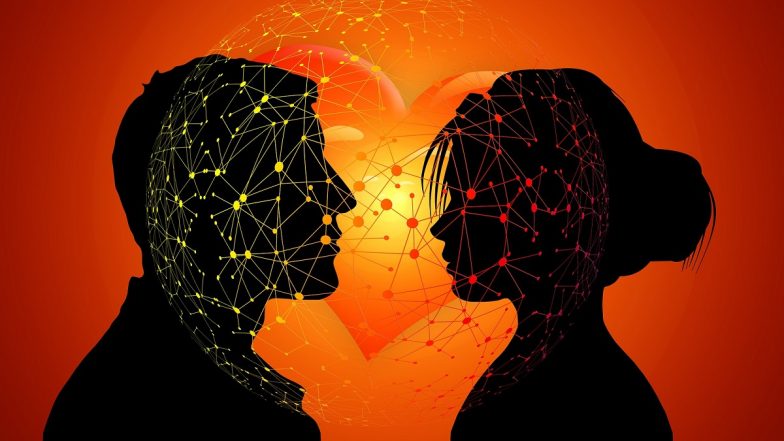
Bumble has announced a major strategic shift that will see the dating app abandon its iconic swipe-based interface in favour of an artificial intelligence-powered assistant named Bee. Scheduled for release later this year, the AI is designed to engage users in conversation to understand their personality and preferences before suggesting tailored matches and date ideas. This transition marks the most significant overhaul in the platform's history and signals a broader industry move toward integrating generative AI into the pursuit of romantic connection.
The Evolution of Dating App Mechanics
Since the introduction of swipe-based matching by Tinder in 2012, dating apps have operated on a market-like system that allows users to rapidly browse, evaluate, and select profiles. However, recent data indicates that this model is contributing to widespread user fatigue, with major platforms reporting declining downloads and engagement. Users have increasingly cited burnout, safety concerns, and negative social experiences as primary drivers for leaving these platforms, prompting developers to seek new ways to maintain relevance. Tech Layoffs Surge in 2026: 1,14,210 Employees Sacked by 150 Companies Amid AI-Driven Restructuring.
Bumble, which launched in 2014 as a female-led alternative to Tinder, has historically faced criticism regarding its design, with some researchers arguing that its "women message first" feature reinforced traditional gender roles. The shift to Bee is intended to streamline the matching process by narrowing choices and focusing on compatibility. Other competitors have already begun similar integrations, with Hinge incorporating AI tools to assist with conversation starters and profile feedback, while Bumble previously deployed AI-driven detective features to identify and remove scam accounts.
The Commodification of Intimacy and Algorithmic Bias
The move toward AI matchmaking has sparked a debate among sociologists regarding the commodification of human relationships. Academic critiques have long argued that dating apps treat human beings as goods to be shopped for, which intensifies the pressure to compare potential partners and often leads to commitment ambiguity. By delegating the matchmaking process to an algorithm, industry observers worry that the human element of dating—chemistry, intuition, and vulnerability—may be further reduced to quantifiable metrics.
Concerns regarding algorithmic bias also remain prominent. Research has consistently demonstrated that automated systems can reflect and amplify existing societal inequalities. There is a risk that an AI assistant might reinforce racial biases, promote heteronormative dating dynamics, or privilege certain class markers when determining "compatibility". Furthermore, by effectively filtering matches to be "like you", there is a potential for the technology to close off users from diverse, meaningful experiences and unique connections. Layoffs Due to AI: Artificial Intelligence Impacting Global Labour Market ‘Like a Tsunami’ Amid Mounting Job Loss Fears in Employees in 2026.
The Search for Organic Connection
Despite the promise of technological efficiency, the broader market shows a simultaneous trend toward rediscovering offline interaction. The rise of in-person social groups, such as run clubs and speed-dating events, suggests that many individuals are seeking ways to escape the digital fatigue induced by app-based dating. While AI could act as a modern iteration of the traditional matchmaker, it faces the hurdle of user trust. As Bumble prepares to retire the swipe, the company must convince a weary user base that an algorithm can navigate the complexities of human intimacy more effectively than current manual methods.
(The above story first appeared on LatestLY on May 24, 2026 06:19 PM IST. For more news and updates on politics, world, sports, entertainment and lifestyle, log on to our website latestly.com).