iPhone 18 To Use Intel Chip? Here's the Truth Behind the Viral Apple-Intel Partnership Rumour

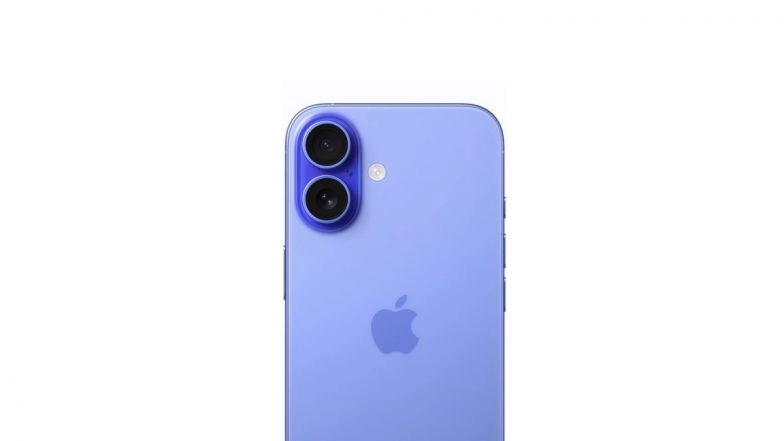
A prominent industry rumour suggesting that Intel would manufacture the A20 processor for Apple’s standard iPhone 18 has been firmly debunked. The speculation, which gained significant traction on social media, claimed that Apple would transition away from its longtime foundry partner, TSMC, to utilise Intel’s 18A manufacturing process for its next-generation base smartphone silicon.
As per a report by Android Headlines, the narrative collapsed rapidly following a review of leaked internal Apple documents. Hardware insider Jukan, who is highly regarded for his track record in semiconductor leaks, cross-examined documents recently obtained from a Tata-controlled electronics facility in India. The findings showed no evidence of Intel’s involvement in the production of the A20 chip, confirming that Apple remains committed to its current manufacturing partners.
The initial claims regarding the Intel-Apple partnership were largely driven by the industry's curiosity regarding Apple’s efforts to diversify its supply chain. Given the global demand for advanced silicon and the concentration of high-end manufacturing capacity in Taiwan, the possibility of a dual-foundry strategy has frequently been a topic of debate among analysts. However, Jukan’s analysis of the leaked documentation explicitly contradicted these claims, with the insider labelling the original source of the rumour as unreliable.
While the prospect of Apple outsourcing its core mobile silicon to Intel proved to be ephemeral, the two companies do maintain a formal relationship. Industry data suggests that Apple and Intel have already signed a preliminary manufacturing agreement, though this roadmap is focused on long-term initiatives rather than the immediate iPhone 18 production cycle.
Future Roadmap and Apple’s Foundry Strategy
Current projections suggest that Apple is testing Intel’s 18A-P process for potential use in lower-volume hardware, such as the base M7 computer chips expected in 2027. More significant manufacturing milestones between the two firms are not anticipated until the arrival of the A22 generation, which may leverage Intel’s more advanced 14A nodes.
For the immediate future, Apple’s flagship mobile processors will continue to be produced by TSMC. This approach aligns with Apple's conservative supply chain management, as trusting high-volume products to a foundry that is still scaling its advanced commercial nodes would represent a substantial operational risk. By keeping its premium silicon with established partners, Apple aims to ensure consistent yield and thermal efficiency while it continues to explore long-term diversification strategies.
(The above story first appeared on LatestLY on Jul 04, 2026 09:11 PM IST. For more news and updates on politics, world, sports, entertainment and lifestyle, log on to our website latestly.com).