Samsung Galaxy Z TriFold 2 in Development, Likely to Be Slimmer Than Galaxy Z TriFold: Report
Samsung is reportedly developing the Galaxy Z TriFold 2, a thinner and lighter successor to its recently discontinued triple-fold phone. Alongside it, a manual slidable OLED device is in the works for a potential 2027 launch. These projects aim to refine durability and portability while addressing high production costs and complexity.

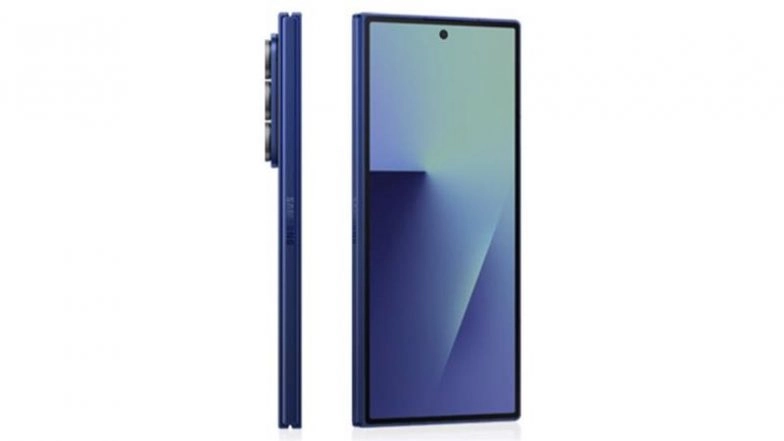
Seoul, March 20: Samsung is reportedly moving forward with a second-generation triple-folding smartphone, despite winding down sales of its original Galaxy Z TriFold just three months after its debut. The company is also exploring a new "slidable" form factor that features a manual extending mechanism rather than a motorized one. According to industry insiders and recent supply chain leaks, these projects represent a strategic pivot toward more durable and practical hybrid devices as Samsung looks to maintain its lead in the flexible display market.
The original Galaxy Z TriFold, which launched in late 2025 for USD 2,899, is currently being discontinued in South Korea, with US inventory expected to follow suit. While the device was widely viewed as a low-volume "technology showcase," its rapid exit has cleared the path for a successor that addresses the primary criticisms of the first model: its significant 12.9mm folded thickness and the complexity of its dual-hinge system. Samsung Galaxy Z TriFld Production Reportedly Ending Likely Due to Rising Component Costs.
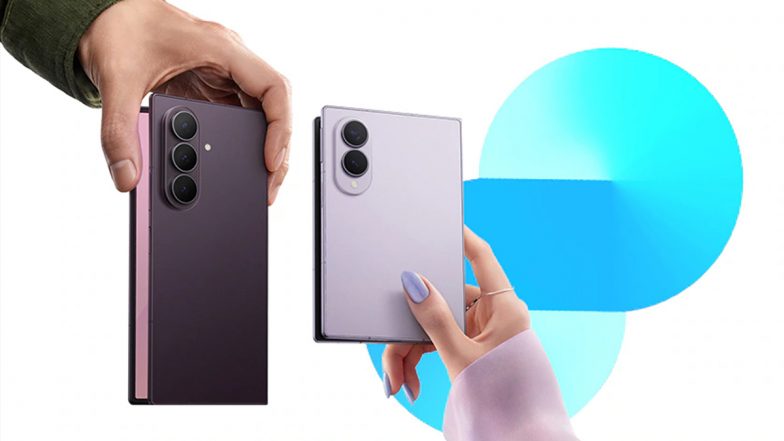
Samsung Galaxy Z TriFold 2 Slimmer Successor
The upcoming Galaxy Z TriFold 2 is currently in the early prototyping phase, with a targeted launch window of mid-2027. Reports from Korean tipster yeux1122 suggest that Samsung has already completed the verification process for a refined hinge design that is both lighter and ultra-thin. This new mechanical structure is expected to bring the device's folded thickness closer to that of the Galaxy Z Fold 7, which measures 8.9mm.
By refining the hinge, Samsung aims to improve both the portability and the long-term durability of the triple-fold screen. The extra development time will also allow the company to address "crease visibility," a challenge that is amplified in a device with two distinct folding points. The goal is to transition the tri-fold from a niche "proof-of-concept" into a viable alternative for users who require a 10-inch tablet experience in a pocketable form factor.
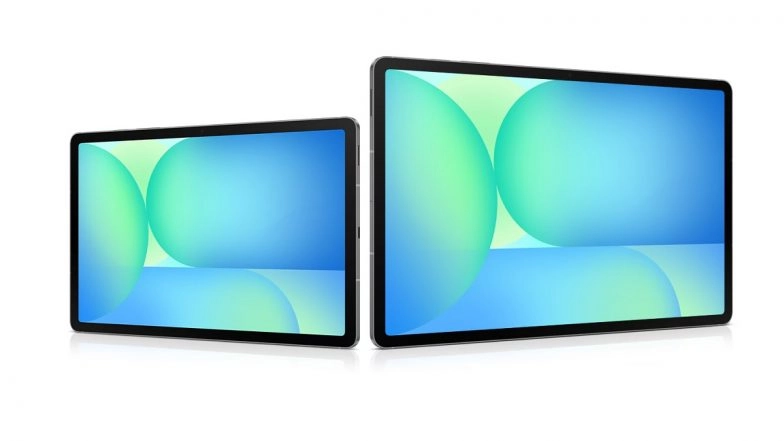
Samsung Galaxy Z TriFold 2 Display Concept
Alongside the tri-fold project, Samsung is developing a hybrid device featuring a slidable OLED panel. Unlike the motorized prototypes showcased at recent trade events like CES and MWC 2026, the retail-bound version is said to use a manual sliding mechanism. This decision is reportedly aimed at reducing internal complexity, lowering production costs, and improving the device's overall reliability.
The slidable phone is expected to feature a 5.1-inch display that can be manually extended to reach roughly 7 inches. This "mobile slidable" approach offers an uninterrupted, creaseless display surface, solving one of the most persistent aesthetic issues found in current foldable phones. Analysts suggest this device could debut as early as late 2027 or 2028, depending on the progress of Samsung Display’s "Slidable Flex" technology.
The discontinuation of the first TriFold highlights the economic challenges of the ultra-premium foldable segment. High production costs, driven by rising prices for mobile processors and specialized OLED components, reportedly left Samsung with razor-thin margins on the USD 2,899 device. Furthermore, the first model was never offered through mobile carriers, further limiting its reach to a small group of affluent early adopters. Samsung Galaxy Watch Ultra 2 Launch Date, Specifications and Features.
By shifting focus to more refined designs, Samsung appears to be leveraging the research and development from the first TriFold to create a more commercially sustainable lineup. While the immediate focus remains on the Galaxy S26 series and the upcoming Galaxy Z Fold 8, these "hybrid" projects demonstrate that Samsung remains committed to exploring experimental form factors that could eventually replace traditional tablets.
(The above story first appeared on LatestLY on Mar 20, 2026 12:45 PM IST. For more news and updates on politics, world, sports, entertainment and lifestyle, log on to our website latestly.com).