Donald Trump Signs New Executive Orders Targeting Birthright Citizenship, Birth Tourism
US President Donald Trump on Thursday signed two new executive orders aimed at limiting birthright citizenship, marking his second attempt to curb the practice after the Supreme Court struck down his original order in June.

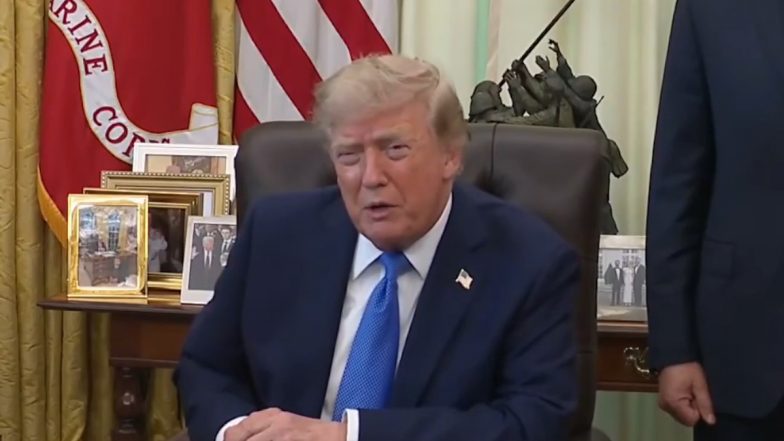
US President Donald Trump on Thursday signed two new executive orders aimed at limiting birthright citizenship, marking his second attempt to curb the practice after the Supreme Court struck down his original order in June. The new measures target commercial "birth tourism" and expand the categories of people the administration considers ineligible for automatic U.S. citizenship.
Speaking during an Oval Office signing, Trump criticized the Supreme Court's earlier ruling and said his administration was adjusting its approach in response, reported WSJ.
What the Orders Do
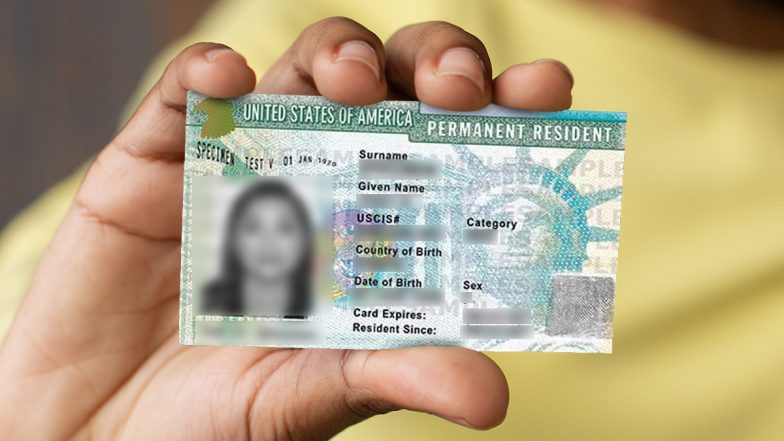
One order directs the State Department and the Department of Homeland Security to issue new rules and guidance aimed at cracking down on "birth tourism" - the practice of foreign nationals traveling to the U.S. specifically to give birth so their child gains automatic citizenship. Officials said the order would apply existing legal provisions that allow the government to revoke citizenship obtained through fraud, extending that exception to cases where a mother is found to have deceptively used birth tourism. US Supreme Court Upholds Birthright Citizenship, Rejects Donald Trump's Executive Order.
Trump Moves Again to Limit Birthright Citizenship, Cracks Down on Birth Tourism
BREAKING: Trump Signs Two Executive Orders To BAN Birth Tourism And CRACKDOWN On the Abuse of Birthright Citizenship
-The first order identifies certain categories of children of aliens who are not entitled to birthright citizenship consistent with historical exceptions… pic.twitter.com/YD6oCipzTO
— Benny Johnson (@bennyjohnson) August 6, 2026
U.S. law already prohibits obtaining a tourist visa for the primary purpose of securing citizenship for a child born in the country, and immigration officials retain authority to deny entry to a pregnant foreign national suspected of doing so. US Supreme Court Rules Against Donald Trump on Birthright Citizenship: What Was the Case About?
The second order broadens the categories of people the administration says are ineligible for birthright citizenship, including children born to certain foreign nationals working on behalf of foreign governments, such as lobbyists. White House deputy chief of staff Stephen Miller said the change was intended to close what he described as loopholes exploited under the current system.
As of publication, the White House had not released the full text of either order.
Trump and Aides Defend the Move
Trump argued that people were building financial ventures around birthright citizenship and called the practice "unfair."
"They're building businesses around birthright citizenship. That's not the way it was supposed to work. It's a disgrace," Trump said. "They're buying their way in, and we're not going to let it happen."
Miller told reporters that birth tourism has been a subject of debate for decades, describing a pattern in which visitors enter the country under tourist pretenses but leave with a U.S. citizen child, which he said grants access to public benefits and other rights.
Will Scharf, the White House staff secretary, said the new orders rely on "legally validated means" - such as visa denials and law enforcement action against birth tourism operations - that the administration believes do not conflict with the Supreme Court's June ruling. Asked whether the orders would hold up to legal challenges, Trump said he believed they would.
Background: The Supreme Court Ruling
The new orders follow a Supreme Court decision in late June that struck down Trump's original executive order on birthright citizenship, which he signed on his first day back in office in January 2025. That order sought to deny automatic citizenship to children born in the U.S. to parents who were undocumented or in the country temporarily.
Lower courts had already blocked the original order from taking effect, and it faced multiple lawsuits from civil rights and immigration groups arguing it violated the 14th Amendment. In a 6-3 ruling, the Supreme Court agreed, finding the order unlawful and inconsistent with the amendment's guarantees.
The 14th Amendment, ratified in 1868, states that "all persons born or naturalized in the United States, and subject to the jurisdiction thereof, are citizens of the United States and of the state wherein they reside." Trump and his allies have argued the provision was intended narrowly, to address the status of formerly enslaved people after the Civil War.
"This was done right after the Civil War," Trump said Thursday. "This was for the babies of slaves."
Legal scholars and immigration advocates have long viewed birthright citizenship under the 14th Amendment as settled law, and some observers noted the Supreme Court's 6-3 margin was closer than many expected on what they considered a well-established constitutional question.
What Comes Next
Legal challenges to the new orders are widely expected. Opponents are likely to argue, as they did with Trump's first attempt, that the measures conflict with the 14th Amendment's guarantee of citizenship to those born on U.S. soil. The administration, for its part, is framing the new orders as narrower and legally distinct from the version the Supreme Court rejected, focused on fraud-based exceptions and existing visa law rather than a broad reinterpretation of the amendment itself.
The White House has not indicated when the full text of the orders will be made public.
(The above story first appeared on LatestLY on Aug 07, 2026 07:15 AM IST. For more news and updates on politics, world, sports, entertainment and lifestyle, log on to our website latestly.com).