FBI Loosens Strict S*x Worker Rule: What New Hiring Guidance Means for Applicants
The FBI is scrapping a categorical hiring ban on applicants who have had s*xual encounters with s*x workers, opting instead for a more holistic, case-by-case evaluation of at least some candidates who have engaged in the practice in the past, according to people familiar with the matter.

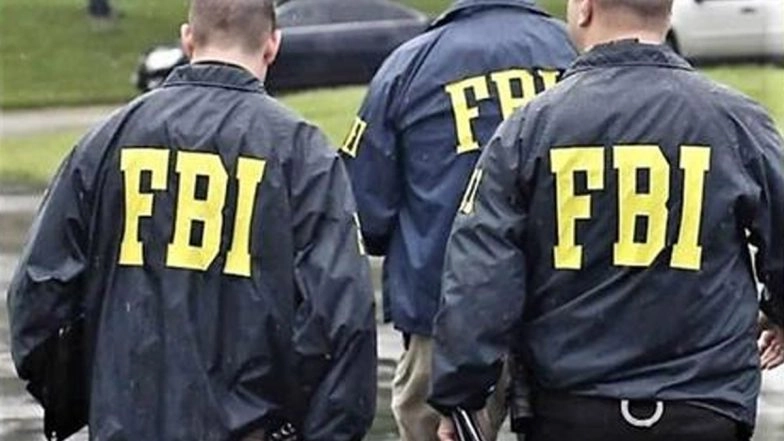
The FBI is scrapping a categorical hiring ban on applicants who have had s*xual encounters with s*x workers, opting instead for a more holistic, case-by-case evaluation of at least some candidates who have engaged in the practice in the past, according to people familiar with the matter.
The shift away from automatic disqualification is part of a broader pattern of evolving recruitment standards within federal law enforcement, reported The Guardian. The historically strict bureau relaxed its approach to candidates' past marijuana use several years ago, and the latest change has drawn renewed concern among some current and former agents about what they see as a gradual loosening of hiring requirements as the FBI works to rebuild its ranks. US: High School Counsellor Has S*x With Student on Campus in North Carolina; Arrested.
What the New Guidance Says
According to guidance issued this past spring, the bureau will still automatically dismiss applicants found during vetting to have engaged with s*x workers within the last 10 years, on three or more occasions overall, or while holding a position of trust, such as a public safety role. For other cases, the FBI will now weigh the context of the conduct rather than treating it as automatic grounds for rejection. US Shocker: Indiana School Secretary Admits Relationship With Student After Husband Catches Them Having S*x on Valentine’s Day 2026, Faces Felony Charges.
The practical impact of the change remains unclear, since many applicants who have solicited or accepted s*x work may still face disqualification, or be filtered out later through additional scrutiny from FBI polygraphers and security officials.
Why the FBI Says It Made the Change
The bureau said the update was designed to account for situations where otherwise qualified candidates, including military service members, may have engaged in the practice in jurisdictions where it is legal. It is also meant to accommodate applicants who may have done so at a much younger age, or who have themselves been victims of s*xual abuse.
"It is false to suggest criminal behaviour like this is no longer disqualifying at the FBI. Any applicant who has engaged in criminal s*xual acts like those referenced would of course not be eligible for employment, and it is ridiculous to suggest otherwise," the FBI said in a statement, describing its background check process as wide-ranging and extensive. The bureau added that it maintains some of the highest suitability standards for applicants and employees across the US government.
Concerns Over a Shrinking Talent Pool
The policy shift comes as current and former officials express concern that the FBI, and the Department of Justice more broadly, have eased recruitment standards while grappling with a mass personnel exodus driven by retirements, resignations and firings. The bureau has also made it easier for its own professional staff to transition into agent roles and has introduced a shortened training academy for applicants coming from other federal law enforcement agencies.
Daniel Brunner, a retired FBI agent who spent two decades with the bureau, questioned what the change signals about the current applicant pool. "If they're moving the bar for s*xual encounters to include prostitution, what is that saying about the applicant pool? They're trying to bring in more people, which to me indicates that the applicant pool is extremely shallow right now," he said.
A History of Strict S*x Work Policies
In 2015, then Attorney General Eric Holder issued a memo reiterating that all Department of Justice employees were barred from soliciting or accepting s*x work, even in places where it is legal. Despite this, the FBI and other federal agencies have periodically dealt with cases of agents serving abroad being accused of engaging with s*x workers. As recently as summer 2025, the Justice Department's inspector general substantiated claims that a supervisory special agent solicited and engaged with s*x workers multiple times while overseas, reportedly using a bureau-issued phone for the transactions.
Chris Piehota, a retired senior FBI executive, said he would be more concerned if the bureau loosened standards for current employees renewing their security clearances, but said he understood leaning toward leniency for conduct that occurred during someone's teenage or college years. "I don't think you get a better or worse candidate from something you did in your college years," Piehota said. "That's why they have the screening process, that's why they have the vetting process."
How the FBI Vets Applicants
FBI applicants go through a multi-step vetting process that includes background checks, detailed questionnaires, credit checks, interviews with neighbours and colleagues, and a polygraph test, all designed to uncover prior criminal conduct or personal information that could make a candidate vulnerable to blackmail. Felony convictions, domestic violence convictions, failed urinalysis tests, and drug policy violations remain automatic disqualifiers.
While the new guidance allows for broader contextual evaluation of applicants who disclose past s*x work involvement during polygraph screening, such admissions have historically been treated as a near-automatic disqualifier at agencies including the FBI, CIA and NSA, according to Daniel Meyer, a Washington-based lawyer specialising in background checks and security clearances.
(The above story first appeared on LatestLY on Aug 30, 2026 08:56 AM IST. For more news and updates on politics, world, sports, entertainment and lifestyle, log on to our website latestly.com).