How Much Has the Iran War Cost the US?
The six-month US war with Iran has cost about USD 38 billion through August 1, according to the Congressional Budget Office, with costs projected to rise by USD 3 billion a month. The CBO said depleted munitions could take five years to replenish, while disruption around the Strait of Hormuz is adding to energy costs and could lift inflation by 0.5% in early 2027.

The six-month US war against Iran has cost about USD 38 billion through August 1, 2026, and could add another USD 3 billion a month, according to a Congressional Budget Office assessment released Tuesday, September 15. The nonpartisan budget office said the conflict has also depleted US munitions, increased energy costs and could raise inflation by 0.5% during the first three months of 2027.
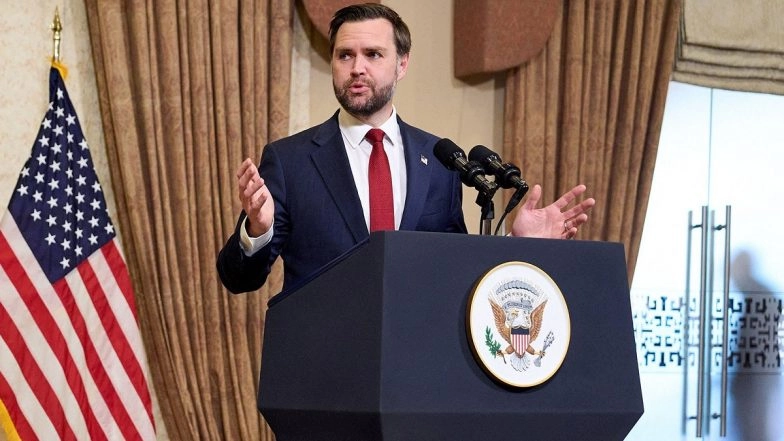
The estimate comes as the Trump administration looks for ways to end the conflict and restore normal shipping through the Strait of Hormuz, a major global energy route. The CBO said the reported costs do not include some recent military operations or interest expenses associated with borrowing to finance the war, meaning the eventual financial burden could be higher. US-Iran War: JD Vance Says Conflict Will Enter ‘Much Different Phase’ Midterm Elections.
How Much Has The Iran War Cost?
The CBO put the total cost of the war at USD 38.1 billion as of August 1. The largest portion, about USD 21.7 billion, was attributed to replacing expended munitions. Increased flying hours accounted for USD 10.4 billion, while higher military fuel costs totaled USD 2.7 billion.
The CBO also estimated USD 1.9 billion for replacing equipment lost in battle and another USD 1.5 billion for other operations costs. The estimate is close to the USD 37.5 billion figure Defense Secretary Pete Hegseth reported during a Senate hearing on July 21. Donald Trump Says Iran War To End After US Midterm Elections.
Munitions Stockpiles Under Pressure
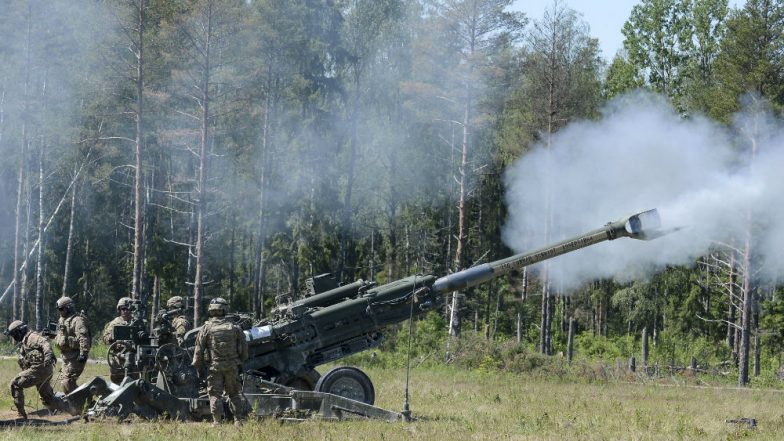
The budget office said the majority of the war's cost has come from the rapid drawdown of US munitions. It estimated that replenishing depleted stockpiles could take as long as five years. Reuters reported in August that the United States had used "virtually all" of its long-range precision missiles during the war.
The depletion has raised questions about US readiness for another major conflict, particularly a potential confrontation involving China and Taiwan. The CBO said shortages of critical weapons, including missile interceptors, could limit the Pentagon's ability to respond to another major conflict. At a July Senate hearing, Hegseth requested nearly USD 90 billion in emergency funding to replenish weapons supplies. “Without these funds, we face critical shortfalls,” Hegseth said.
Pentagon Disputes Munitions Shortage
The Department of Defense did not cooperate with congressional financial auditors, CBO reported. White House spokeswoman Anna Kelly described President Donald Trump's attacks on Iran as "decisive action" to prevent Tehran from harming US personnel or interests. She said in a statement that the U.S. military has "more than enough munitions, ammo, and stockpiles to serve all of the Commander-in-Chief’s strategic goals and beyond.”
Chief Pentagon spokesperson Sean Parnell disputed the report's findings of munitions shortages and said, "We have everything required to strike at the time and place of the president's choosing." The differing assessments leave a key question over the conflict's impact on US military readiness. The CBO's analysis points to significant replenishment requirements, while the administration says existing stockpiles remain sufficient for its strategic objectives.
Inflation And Energy Costs
The CBO said the war is expected to increase inflation by 0.5% in the first three months of 2027. Energy prices have been affected by disruption around the Strait of Hormuz, the narrow waterway between Iran and Oman through which roughly 20% of the world's oil traveled before the war.
Attacks involving commercial shipping and energy infrastructure in and around the region have further complicated global supply routes. Reuters reported this week that oil prices have risen above USD 100 a barrel as the conflict continues to disrupt energy flows. The economic impact extends beyond the United States. Higher crude prices have also increased import costs for countries including India, where the country's crude basket averaged USD 90.19 a barrel in August and climbed further in September.
War Costs Could Be Higher
The CBO's USD 38.1 billion estimate does not cover all costs associated with the ongoing conflict. The report did not include costs of recent strikes on commercial vessels in the Strait of Hormuz and attacks on US military installations in the region. It also did not factor in the borrowing expenses associated with financing the war, which could add tens of billions of dollars to the total cost.
That means the USD 38 billion figure represents costs accounted for through August 1 rather than a final estimate for the entire conflict. The cost is also continuing to rise. The CBO estimates an additional USD 3 billion in expenses each month if the current pace continues.
Pentagon Equipment And Base Damage
The Pentagon's inspector general reported this week that Iran had damaged or destroyed hundreds of buildings on US bases in the Middle East as well as aircraft including fighter jets, refueling planes and drones. It put the war cost through June 19 at USD 33.4 billion, saying the amount included about USD 184 million in damages to US diplomatic facilities from Iranian strikes.
The inspector general's figure covers an earlier period than the CBO's August 1 accounting, which helps explain the difference between the two estimates.
The cost inquiry was conducted at the request of the top Democrat on the US House of Representatives Budget Committee, Brendan Boyle of Pennsylvania. “Donald Trump’s disastrous war in Iran has already taken the lives of brave American servicemembers and left others wounded," Boyle said in a statement.
"Beyond that human toll, this nonpartisan CBO report makes clear that the war has also cost American taxpayers tens of billions of dollars and counting, while continuing to drive up costs." Eighteen US military service members have died in the Iran war.
The administration has defended the military campaign as necessary to protect US personnel and interests, while Democrats have focused on its financial and human costs. The CBO's assessment provides a nonpartisan accounting of the expenditures but does not itself determine whether the military operation was justified.
US Debt Adds To Fiscal Pressure
The rising cost of the war comes as the United States faces a broader fiscal challenge. The nation's total public debt surpassed USD 40 trillion in August. Additional military spending therefore adds pressure to an already large federal financing requirement. The cost of borrowing to finance the Iran war was not included in the CBO's USD 38.1 billion figure, leaving the eventual fiscal impact uncertain.
How Does It Compare With Iraq And Afghanistan?
Trump regularly contrasts the Iran war with the US invasions of Iraq and Afghanistan that followed the September 11, 2001, attacks. The eight-year US war in Iraq, which involved more than 1,00,000 ground troops at its peak, cost USD 2 trillion, Reuters reported. The two-decade-long US conflict in Afghanistan, which also involved more than 1,00,000 troops at its most intense,cost USD 2.3 trillion, according to Brown University's Costs of War project.
Those totals cover much longer conflicts than the six-month Iran war and are therefore not directly comparable on a simple dollar-for-dollar basis.
The Trump administration is seeking ways to end the conflict and reopen the Strait of Hormuz, while US forces continue to face attacks in the region. The CBO's estimate highlights three immediate pressures: the financial cost of military operations, the need to replenish weapons stockpiles and the economic effects of higher energy prices.
For now, the projected USD 3 billion monthly increase means the war's financial burden will continue to grow if the conflict remains at its current intensity. The eventual total will depend on the duration of the fighting, future military operations and the cost of rebuilding depleted US weapons inventories.
DISCLAIMER: This article is strictly for informational and educational purposes to raise awareness about the said topic. LatestLY DO NOT host, distribute, or provide links to sexually explicit content, leaked videos, or pirated material. Any search terms or keywords mentioned are solely for the purpose of explaining the viral trend and its associated dangers. We strongly condemn the circulation of non-consensual intimate imagery (NCII) and advise all readers to refrain from searching for or sharing such content, as doing so may lead to severe legal consequences.
(The above story first appeared on LatestLY on Sep 16, 2026 09:37 AM IST. For more news and updates on politics, world, sports, entertainment and lifestyle, log on to our website latestly.com).