US House Advances Russia Sanctions Bill, India Faces 100% Tariff Risk
The US House of Representatives cleared a key procedural hurdle on Tuesday evening to advance a bipartisan sanctions bill that would empower President Donald Trump to impose tariffs of up to 100 per cent on nations purchasing Russian crude oil and natural gas, including India and China.

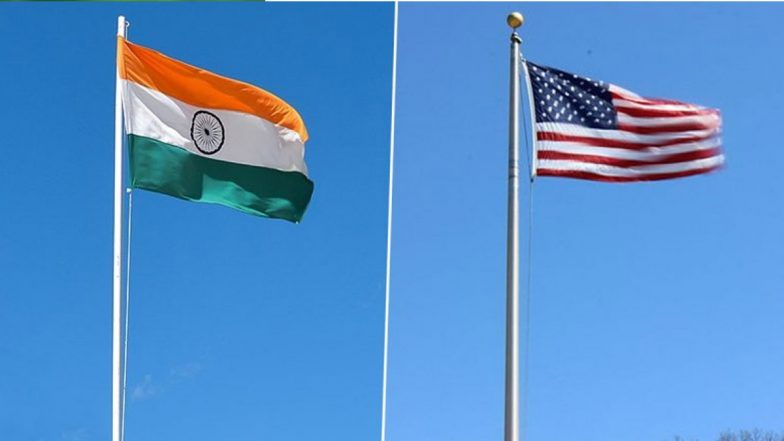
The US House of Representatives has advanced legislation that could give President Donald Trump the authority to impose tariffs of up to 100 per cent on India and other major buyers of Russian oil and gas. The measure cleared a key procedural hurdle by a 214-211 vote and is expected to face a final House vote on Wednesday, September 16, India Today Reported.
The development adds a new layer of uncertainty to India-US trade ties, as New Delhi remains a major buyer of Russian crude. However, the proposed tariff has not been imposed. The bill still needs to clear the House before it can be sent to Trump for his signature. Russia Sanctions Bill: India Among Countries Facing Proposed 100% US Tariffs Under New Amendment.
House Moves Russia Sanctions Bill Forward
The legislation, known as the Lindsey O. Graham Sanctioning Russia and Iran Act of 2026, cleared the procedural vote after two Democratic lawmakers joined Republicans in supporting the measure.
The House vote followed the US Senate's passage of the bill last month by an 86-11 margin. The legislation seeks tougher sanctions against Russia's leadership and energy sector and targets the so-called "shadow fleet" of vessels that Washington says helps Moscow circumvent restrictions on Russian oil shipments. The bill would also extend existing sanctions related to Iran. ‘Nothing Changes’: Donald Trump Says India-US Trade Deal to Remain Intact, Calls PM Narendra Modi a ‘Great Gentleman’.
Why India Is Facing Tariff Risk
A key provision would authorise Trump to impose tariffs of up to 100 per cent on countries that are major purchasers of Russian energy or are accused of helping Russia evade sanctions. India and China are among the countries identified as major Russian oil buyers. The Senate version of the legislation does not specifically name individual trading partners but refers to the five largest importers of Russian oil and gas by volume.
Earlier amendments introduced in the House sought to explicitly name countries including India, China, Turkey, the UAE and others as potential targets. Those proposed changes were rejected by the House Rules Committee.
Democrats Raise Concerns Over Presidential Powers
The bill has faced opposition from several House Democrats, who support additional pressure on Russia but object to the breadth of the tariff authority it would give the president.
Representative Gregory Meeks, the top Democrat on the House Foreign Affairs Committee, has argued that the legislation could give Trump extensive discretion to impose tariffs without sufficient safeguards. Critics have also warned that higher tariffs could increase costs for US businesses and consumers.
Other Democrats proposed amendments to remove the secondary-tariff provisions, introduce tighter conditions for waiving sanctions and provide additional financial support for Ukraine. The House Rules Committee rejected those amendments.
What Happens Next
The House is expected to hold a final vote on the legislation on Wednesday. If approved, the bill would move to the White House for Trump's signature. The timing is significant because the House is scheduled to begin an early recess on Thursday and is expected to reconvene on November 9 after the US midterm elections.
Until the House completes its vote and the legislation becomes law, the proposed 100 per cent tariff remains a potential measure rather than an active US tariff on Indian goods.
India’s Russian Oil Purchases
The proposed legislation comes amid continued US scrutiny of countries buying Russian energy. Washington argues that Russia's oil revenues help finance its war in Ukraine and has sought to increase economic pressure on Moscow and countries maintaining energy trade with Russia.
For India, the issue has implications for both energy procurement and trade relations with the United States. New Delhi has previously maintained that its energy decisions are guided by national priorities and energy-security requirements while continuing engagement with US stakeholders on the issue.
The immediate focus now is on the House vote. Its outcome will determine whether the tariff authority moves closer to becoming part of US law and what further steps Washington may take regarding countries purchasing Russian energy.
DISCLAIMER: This article is strictly for informational and educational purposes to raise awareness about the said topic. LatestLY DO NOT host, distribute, or provide links to sexually explicit content, leaked videos, or pirated material. Any search terms or keywords mentioned are solely for the purpose of explaining the viral trend and its associated dangers. We strongly condemn the circulation of non-consensual intimate imagery (NCII) and advise all readers to refrain from searching for or sharing such content, as doing so may lead to severe legal consequences.
(The above story first appeared on LatestLY on Sep 16, 2026 07:21 AM IST. For more news and updates on politics, world, sports, entertainment and lifestyle, log on to our website latestly.com).