US Federal Reserve Hikes Interest Rate for First Time Since 2023, Raises Key Rate to 3.9%, Signals Another Hike
The US Federal Reserve raised its benchmark interest rate by 25 basis points on Wednesday, taking the federal funds target range to 3.75%-4.00%. It was the first interest rate increase by the central bank since July 2023 and the first rate hike under Fed Chair Kevin Warsh.

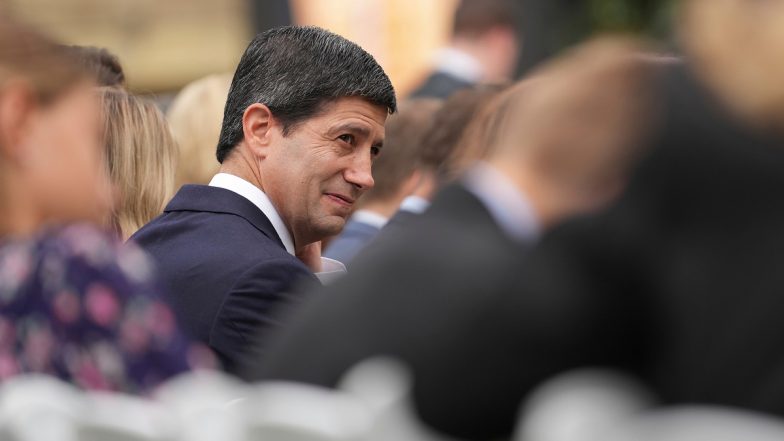
The US Federal Reserve raised its benchmark interest rate by 25 basis points on Wednesday, taking the federal funds target range to 3.75%-4.00%. It was the first interest rate increase by the central bank since July 2023 and the first rate hike under Fed Chair Kevin Warsh. The move comes as US inflation remains above the Federal Reserve’s 2% target. The latest projections also indicate that policymakers expect borrowing costs to rise further, with the Fed’s rate path pointing to another increase before the end of 2026.
Fed Raises Interest Rates by 25 Basis Points
The Federal Open Market Committee (FOMC) increased the federal funds target range from 3.50%-3.75% to 3.75%-4.00%. The midpoint of the new range is 3.875%, which is commonly rounded to 3.9% when describing the policy rate. The decision marks a significant shift after the Fed had kept rates unchanged at its previous meeting. The central bank is now placing greater emphasis on containing inflation as price pressures remain elevated. The decision was unanimous among voting members, according to Reuters. US Fed's Barr Warns Persistent Inflation Could Force Decisive Rate Hike.
Kevin Warsh Leads First Fed Rate Hike
The rate increase is the first major monetary-policy tightening decision under Federal Reserve Chair Kevin Warsh, who took over as chair earlier this year. Warsh has faced pressure over the direction of US interest-rate policy as inflation remains above the central bank’s target and long-term borrowing costs have risen. Before the September meeting, Warsh had resisted providing markets with detailed forward guidance on the timing and scale of future rate moves, emphasizing that policymakers should respond to incoming economic data.
Another Interest Rate Hike Expected in 2026
The Fed’s updated projections point to another rate increase before the end of the year. Reuters reported that the latest projections imply the federal funds rate could reach around 4.25% by the end of 2026, with rates potentially remaining around that level through 2027. However, the Federal Reserve has not committed to a fixed schedule for future increases. Officials will continue to assess inflation, employment and economic growth before making additional policy decisions.
Inflation Remains Above Fed’s 2% Target
Inflation remains the central concern behind the renewed tightening cycle. The personal consumption expenditures (PCE) price index, which the Fed uses for its 2% inflation target, has remained elevated. Reuters reported that the index increased at an annual rate of 3.7% in June and July, well above the central bank’s target. Higher energy prices, tariffs and continued economic activity have added to concerns that inflation could remain elevated for longer than previously expected. The Fed’s latest decision therefore reflects policymakers’ focus on preventing inflation from becoming more persistent. Why US Fed Kept Interest Rates Unchanged Despite Persistent Inflation.
US Economy Continues to Show Growth
Despite inflation concerns, the US economy continues to expand.
The labour market has remained relatively resilient, with unemployment around 4.1%, while economic growth has continued. At the same time, higher borrowing costs could weigh on consumer spending, housing activity and business investment. The Fed faces the challenge of slowing inflation without putting excessive pressure on economic growth or employment.
What the Fed Rate Hike Means for Americans
The increase in the federal funds rate can affect borrowing costs across the US economy. Credit card rates and other variable-rate loans generally respond more quickly to changes in the Fed’s benchmark rate. Mortgage rates are influenced by several factors, including Treasury yields and expectations for future Fed policy. The latest increase could therefore add to borrowing costs for households and businesses, although the impact will vary depending on the type of loan. Savers, meanwhile, could see higher returns on some savings accounts and certificates of deposit as financial institutions adjust their rates.
Markets Watch Kevin Warsh for Further Rate Signals
Investors are closely watching Kevin Warsh’s comments for clues about the Federal Reserve’s next steps. The September decision comes amid rising global borrowing costs, elevated Treasury yields and continued uncertainty over the path of inflation. For the Fed, the immediate focus remains on whether inflation is moving back toward its 2% target quickly enough. The latest projections suggest policymakers are prepared to raise rates again if price pressures remain persistent.
With the benchmark rate now at 3.75%-4.00%, the September decision marks the beginning of a new phase in the Federal Reserve’s monetary-policy approach under Chair Kevin Warsh.
DISCLAIMER: This article is strictly for informational and educational purposes to raise awareness about the said topic. LatestLY DO NOT host, distribute, or provide links to sexually explicit content, leaked videos, or pirated material. Any search terms or keywords mentioned are solely for the purpose of explaining the viral trend and its associated dangers. We strongly condemn the circulation of non-consensual intimate imagery (NCII) and advise all readers to refrain from searching for or sharing such content, as doing so may lead to severe legal consequences.
(The above story first appeared on LatestLY on Sep 17, 2026 12:01 AM IST. For more news and updates on politics, world, sports, entertainment and lifestyle, log on to our website latestly.com).