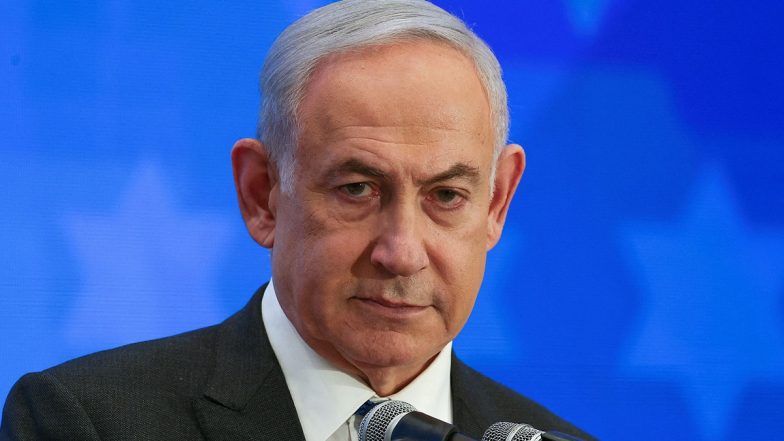
Earthquake’: Netanyahu Reacts as Israel Orders Probe Into Alleged Foreign Funding of Elections
Israel’s election authorities are facing scrutiny over allegations of electoral fraud following the October 27, 2026, parliamentary election, with police pledging to investigate complaints and protect the integrity of the democratic process.


Israel’s election authorities are facing scrutiny over allegations of electoral fraud following the October 27, 2026, parliamentary election, with police pledging to investigate complaints and protect the integrity of the democratic process. The controversy follows accusations by Prime Minister Benjamin Netanyahu’s Likud party against Arab-led political parties, while a separate inquiry into alleged foreign interference has also been ordered.
Israel Police Say Election Fraud Claims Lack Evidence
Israel Police said on October 29 that election day passed with relatively few incidents involving electoral integrity and that there was no investigative or intelligence-based evidence supporting Likud’s allegations that the election had been stolen. Police said the number of unusual incidents was low compared with previous elections. The statement came after Likud demanded an investigation into alleged widespread fraud, intimidation and ballot manipulation in Arab communities.
The police response adds to questions surrounding the claims, which have not been substantiated by publicly available evidence. Israel Elections 2026: Netanyahu Claims Arab Parties ‘Stole’ Election, Demands Probe Into Alleged Voter Fraud.
Likud Accuses Arab Parties of Electoral Fraud
On October 28, Likud, led by Prime Minister Benjamin Netanyahu, alleged that Arab-led political parties had secured votes through bribery, threats, violence, forgery and the use of prohibited voter-mobilisation software. The party said it was submitting hundreds of testimonies and other evidence to Israel Police, the Shin Bet domestic security agency and the Central Elections Committee. It called for a thorough investigation into the alleged offences.
The allegations followed a strong projected performance by the Arab-led parties Ra’am and the Joint List, which were expected to secure a combined 19 seats in the 120-member Knesset. However, the allegations against the parties remain unproven, and police have said they found no investigative or intelligence-based evidence to support Likud’s claims.
Election Committee Reviews Complaints
The Central Elections Committee confirmed that it had received Likud’s complaint and was reviewing it through its standard election-integrity monitoring process. The committee said complaints from political parties concerning electoral integrity or possible errors in results would be examined. It had also invited parties to identify polling stations where they believed results required further scrutiny.
The committee had previously indicated that there were no signs of systematic ballot tampering, while individual reports of irregularities were being addressed. Donald Trump Wants Israel’s Next Government Without Ben-Gvir, Smotrich Over Settler Violence: Report.
Shin Bet Asked to Investigate Alleged Foreign Interference
Separately, Central Elections Committee chairman Noam Sohlberg asked Shin Bet chief David Zini to investigate suspicions of improper foreign influence in the election. Sohlberg referred to allegations involving funding from foreign entities allegedly acting against Israeli interests. He said he could not independently confirm the substance of the suspicions but considered a thorough investigation necessary.
He asked the Shin Bet to investigate the claims and report its findings within a week. The request did not identify the countries or entities allegedly involved. The foreign-interference inquiry is distinct from Likud’s allegations against Arab-led parties. Neither should be treated as proof of electoral fraud or foreign interference.
Election Results Leave Israel Facing Coalition Uncertainty
The allegations emerged as Israel awaited the completion of its parliamentary vote count. Preliminary projections indicated that Netanyahu’s bloc was on course to win 53 seats, while the opposition bloc led by Gadi Eisenkot was projected to secure 48. Arab-led parties were projected to win 19 seats.
Neither of the two main blocs had reached the 61 seats required for a majority in the Knesset, leaving coalition negotiations and potential cooperation with Arab-led parties central to the next government’s formation. The figures remained provisional, with additional ballots, including votes cast by soldiers and diplomats, still awaiting counting.