US-Iran War: CENTCOM Launches 9th Straight Night of Strikes, Kuwait Intercepts Incoming Fire, Bahrain Sounds Missile Alert
The conflict between the United States and Iran escalated sharply early Monday as U.S. Central Command (CENTCOM) conducted its ninth consecutive night of precision airstrikes against Iranian military infrastructure. The renewed American bombardment triggered immediate regional repercussions, forcing neighboring Gulf states hosting U.S. forces into high alert.

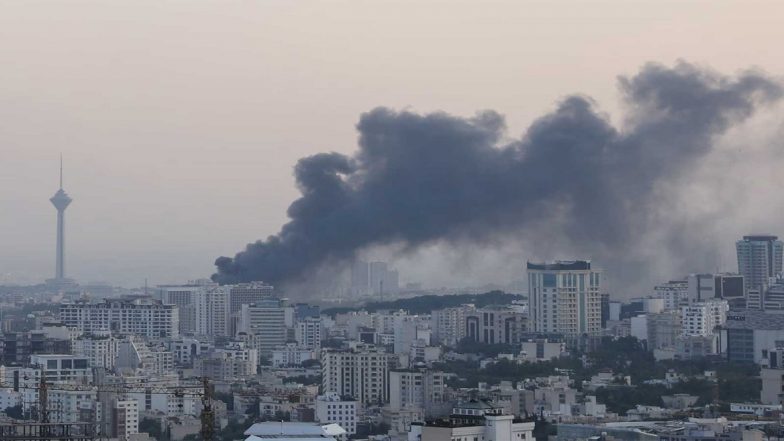
The conflict between the United States and Iran escalated sharply early Monday as U.S. Central Command (CENTCOM) conducted its ninth consecutive night of precision airstrikes against Iranian military infrastructure. The renewed American bombardment triggered immediate regional repercussions, forcing neighboring Gulf states hosting U.S. forces into high alert. The Kuwaiti military confirmed it is actively working to intercept incoming aerial fire, while Bahrain sounded city-wide missile alert sirens warning residents of a widening Iranian retaliatory campaign.
U.S. Enforces Blockade with Ninth Night of Bombardment
According to a statement released by CENTCOM, the latest wave of American airstrikes began at approximately 7:00 p.m. Eastern Time on Sunday. U.S. military officials stated the ongoing operations are systematically designed to degrade the Islamic Revolutionary Guard Corps’ (IRGC) capabilities, specifically targeting assets used to threaten civilian mariners and commercial vessels. Strait of Hormuz Crisis: Iran Claims 2 Oil Tankers Hit Naval Mines, US Dismisses Reports as Fabricated.
The Pentagon noted that the latest rounds of strikes also served as a swift response to recent U.S. casualties in the region, including the deaths of three American service members over the weekend in Jordan and Iraq. U.S. forces utilized a combination of fighter aircraft, warships, and Tomahawk cruise missiles to target drone storage facilities, command centers, and missile launch sites deep within Iranian territory.
Kuwait and Bahrain Activate Air Defenses Amid Retaliation
The impact of the U.S. offensive immediately spilled across the Persian Gulf. Early Monday, the Kuwaiti Army announced that its national air defense systems were actively engaged in neutralizing hostile drone and missile attacks launched from Iran. The strikes follow a tense 48-hour window where Kuwaiti infrastructure, including vital power generation and water desalination plants, suffered localized damage from cross-border fire.
Simultaneously, Bahrain’s Interior Ministry activated emergency public sirens across the capital city of Manama, ordering citizens and residents to seek immediate shelter. The U.S. Embassy in Bahrain issued a parallel security advisory warning of potential Iranian strikes targeting unspecified locations in the central metropolitan area. Donald Trump Orders Fresh Iran Airstrikes, Says Attack Was 'In Honor' of Fallen US Soldier.
Collapse of the Ceasefire and the Strait of Hormuz Crisis
The rapid deterioration of security conditions follows the total collapse of a fragile, short-lived interim ceasefire that had briefly halted active hostilities last month. The core of the military deadlock remains centered on the Strait of Hormuz—a vital maritime chokepoint responsible for the transit of roughly one-fifth of the world’s global oil supply.
Tensions reached a breaking point after the U.S. reimposed a strict naval blockade on Iranian ports, prompting Tehran to declare the Strait unsafe for commercial vessels aligned with Western interests. The resulting maritime friction has brought shipping traffic through the corridor to a near-total standstill, severely volatile global energy markets.
A Widening Regional Footprint
Diplomatic and military observers express growing concern that the conflict is transitioning from a localized containment strategy into an all-out regional war. While the state-run Iranian health ministry reports significant infrastructure damage and mounting casualties inside Iran from the prolonged U.S. aerial campaign, Tehran's retaliatory envelope has actively expanded to hit regional targets in Jordan, Saudi Arabia, and Iraq.
With U.S. Central Command maintaining more than 50,000 American service members on high alert across the Middle East theater, and Iran signaling an unyielding stance on its defensive red lines, regional security layout remains highly unpredictable as air defense grids across the Gulf continue to track active threats.
(The above story first appeared on LatestLY on Jul 20, 2026 10:48 AM IST. For more news and updates on politics, world, sports, entertainment and lifestyle, log on to our website latestly.com).