Maruti Suzuki Flex Fuel Car Launch on World Environment Day, Nitin Gadkari Announces
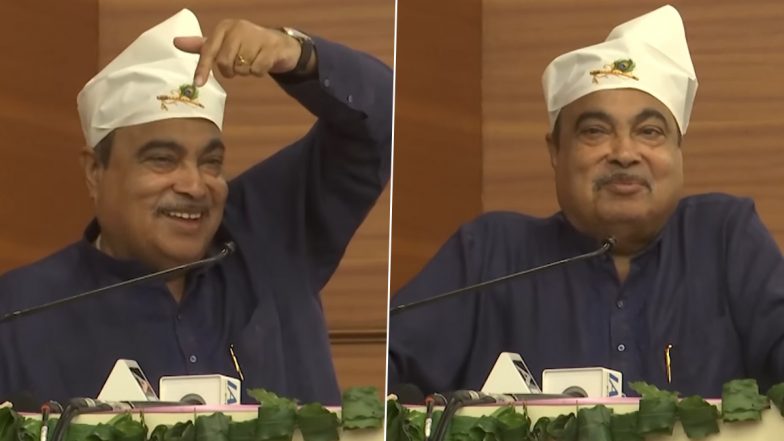
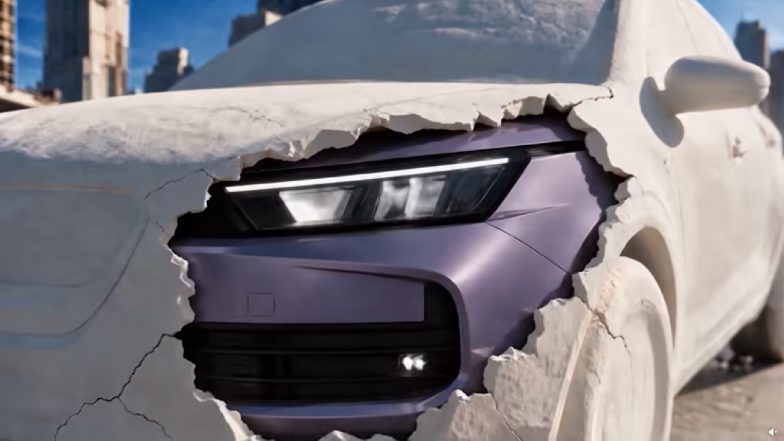
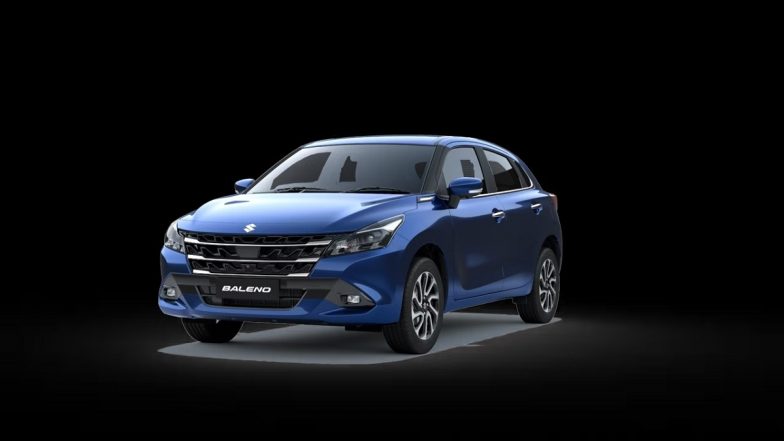
Union Minister Nitin Gadkari has announced that Maruti Suzuki will launch a flex-fuel vehicle on Environment Day, 5th June 2026. This initiative supports India’s goal to reduce fossil fuel imports by utilizing ethanol blends. Twelve manufacturers are currently developing these vehicles.

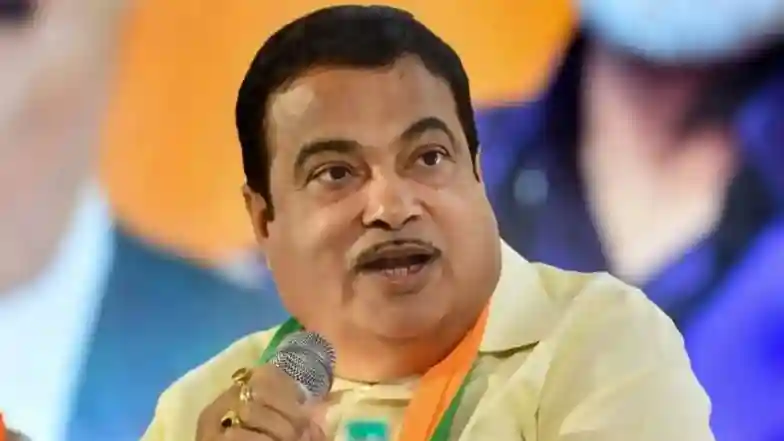
India’s Union Minister for Road Transport and Highways, Nitin Gadkari, has announced that Maruti Suzuki will launch a new flex-fuel-compatible vehicle at a special programme in Delhi on 5th June, 2026, coinciding with World Environment Day. The initiative underscores the Indian government’s aggressive push to reduce dependence on imported fossil fuels, which currently account for 87% of the nation’s crude oil supply. By transitioning to higher ethanol blends, the government aims to establish a cost-effective, indigenous energy supply chain, ultimately empowering farmers as providers of fuel for the country.
The Vision for E100 Ethanol Adoption
Minister Gadkari has been a vocal advocate for the shift towards 100 per cent ethanol as a cleaner, domestic alternative to petrol and diesel. During recent public appearances, he highlighted that he has been utilising a 100 per cent bioethanol-powered vehicle for the past 18 months, noting that the effective fuel cost is significantly lower than that of traditional fossil fuels. The government intends to standardise higher ethanol blending levels, moving beyond the current nationwide E20 benchmark toward E25, E27, and eventually E30 blends. BMW X6 M60i xDrive Pre-Launch Bookings Open in India; Check Expected Price, Specifications and Features.
Minister Nitin Gadkari Video on E100 Ethanol Adoption
VIDEO | Nagpur, Maharashtra: Union Minister Nitin Gadkari, says, "Our biggest pollution problem is fossil fuels... petrol and diesel. That is why, as the Transport Minister, I am happy that we have introduced electric scooters, electric cars, electric buses, electric trucks, and… pic.twitter.com/0me380XHVF
— Press Trust of India (@PTI_News) May 23, 2026
The push for flex-fuel technology is seen as a crucial component of India’s energy security strategy, designed to hedge against global crude oil price volatility. While electric vehicles continue to gain traction across scooter, car, and bus segments, the Minister emphasized that flex-fuel engines provide a versatile bridge technology for the broader transport sector, including trucks and tractors.
Maruti Suzuki’s Technological Roadmap
Maruti Suzuki has been actively developing its flex-fuel capabilities, having previously showcased prototypes like the Fronx Flex Fuel and the WagonR Flex Fuel at various industry events, including the Bharat Mobility Expo. These vehicles are engineered with specialized fuel storage, delivery, and ignition systems to handle the higher moisture-retention properties of ethanol, which necessitates corrosion-resistant fuel lines, upgraded injectors, and sophisticated sensors.
While the upcoming launch has generated significant industry buzz, senior company officials have previously noted that the commercial rollout will be measured. The meaningful adoption of flex-fuel vehicles depends on the availability of compatible fuel infrastructure and price parity between ethanol and conventional petrol. Industry executives suggest that while the segment will start with minimal volumes, it is expected to grow significantly over the next five to ten years as the fuel dispensing network expands nationwide.
12 Automakers Aligning with Green Energy Goals
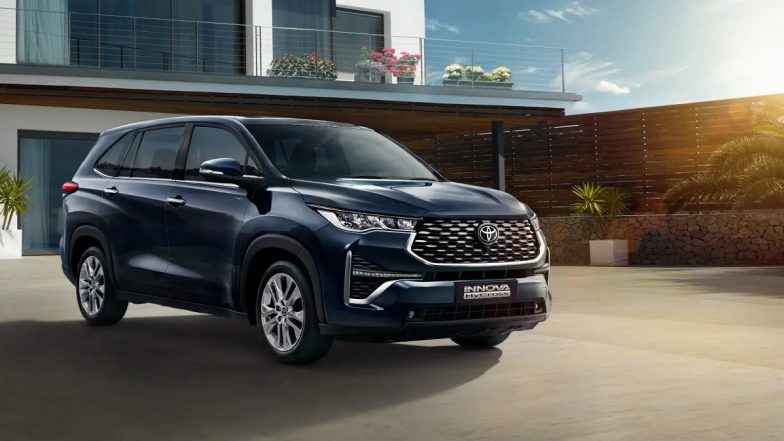
The move by Maruti Suzuki is part of a broader industry alignment with the government’s green energy roadmap. Minister Gadkari confirmed that a total of 12 automobile manufacturers including major players such as Toyota, Tata Motors, and Mahindra have already showcased flex-fuel prototypes. This collaborative effort across the sector reflects a shared commitment to minimizing the national carbon footprint and reducing the heavy import burden caused by fossil fuel consumption. Honda ZR-V Hybrid SUV Price in India, Features, Booking and Delivery Details.
As India prepares for the 5th June announcement, the focus remains on how quickly the supporting infrastructure can be scaled to provide E85 or E100 blends to consumers. For now, the introduction of mass-market flex-fuel vehicles by India’s largest carmaker marks a significant milestone in the country’s transition toward a diversified and sustainable mobility ecosystem.
(The above story first appeared on LatestLY on May 23, 2026 04:23 PM IST. For more news and updates on politics, world, sports, entertainment and lifestyle, log on to our website latestly.com).