Best Uses of a Credit Line for Small Businesses
A credit line is quite useful to small businesses. Understand how small businesses use a credit line to manage cash flow, cover payroll, fund inventory, handle emergencies and support business growth.

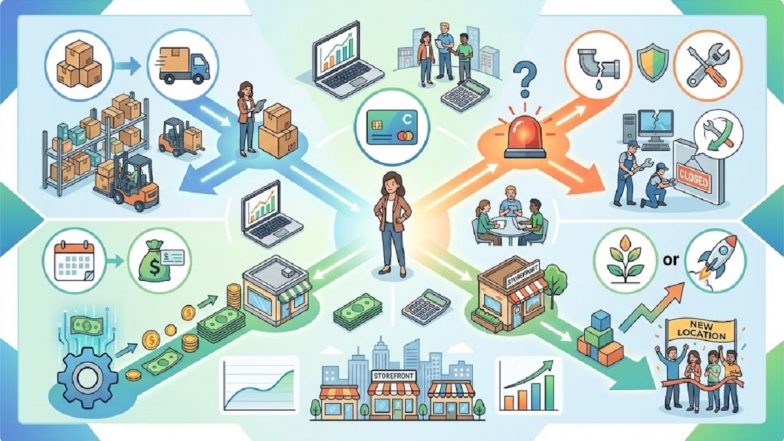
If you run a small business, then you will have to manage opportunities and expenses at the same time. In one month, your sales are growing, but in the next month, you face a delay in customer payments. Hence, it becomes difficult to manage cash flow.
A credit line can be a very useful financial tool for such small businesses. Unlike traditional businesses that provide a lump sum amount, a credit line will sanction you a limit based on your profile. Now, business owners can withdraw the funds when they need and repay it. Interest has to be paid only on the amount used and not the entire approved limit.
If used wisely, a credit line can help small businesses maintain stability, support growth and deal with unexpected financial situations. Let's go through some of the best uses of a credit line for small businesses.
1. Managing Cashflow Gaps
Small businesses frequently face cash flow concerns. Circumstances may arise when the customer doesn’t pay on time, and you also have to pay operational expenses like rent, staff salary or supplier payments on time.
Suppose a business delivers products to customers and offers payment terms of 30-60 days. But staff and suppliers will need immediate payment. A credit line can help manage such temporary gaps. You receive quick access to funds. And once customer payments are received, you can repay the borrowed amount.
2. Purchase of Inventory
Businesses can face seasonal demand fluctuations. Retail stores, wholesalers and e-commerce businesses have to stock inventory before the festive season or major sales events. A huge amount of money will be required to buy this inventory. A credit line can help you purchase inventory without affecting your daily business finances.
For example: -
- A clothing store will purchase inventory for the festive season sale.
- A toy retailer may buy additional products before holiday sales.
In this way, businesses can prepare in advance for increased customer demand without disturbing cash reserves.
3. Handling Emergency Expenses
A business may face unexpected expenses at any time. Some equipment may stop working, the technology system can fail, and urgent repairs may become necessary. In such situations, you need immediate funds. If you don’t have funds, then business operations can be interrupted, and it can affect the revenue.
A credit line can be helpful in such times as it provides immediate funds. Businesses can then deal with urgent expenses and continue their operations.
4. Covering Payroll Expenses
Employees are considered the most important assets of any business. Timely salary payment to employees can help in maintaining trust and morale. But sometimes businesses can face a cash shortage due to a delay in payment from clients.
A credit line can help businesses to cover the payroll expenses in such times. This will ensure that employees receive payment on time.
5. Financing Marketing and Advertising Campaigns
Businesses may have to spend upfront money on marketing. The results of these will appear after some time.
Small businesses can need funds for: -
- Digital advertising campaigns
- Social media promotions
- Website improvements
- Branding initiatives
- Promotional events
A business wants to run a festive season marketing campaign but may not have sufficient funds available. A credit line can be used to fund the campaign and support the business growth opportunities.
6. Taking Benefit of Growth Opportunities
Opportunities can arise in business at any time. A supplier may give you bulk discounts, a market opportunity can occur, or an expansion plan may require immediate funding.
For example: -
- A supplier may be ready to give you a discount for large purchases.
- A business expansion at a new location may be required.
- Additional staff may be needed for expansion.
If you wait for a personal loan in such times, then it will take a long time, and you may miss such business opportunities.
As credit lines give faster access to funds after approval, businesses can respond quickly and act when opportunities arise.
Tips to Use Business Credit Line Wisely
Credit line offers flexibility and allows you to use funds as per your need. However, it’s still advisable to use it responsibly. Here are the tips that businesses should follow: -
- Borrow only as per your requirement. Avoid over-borrowing. Overuse can lead to high-interest payments.
- Make use of funds only for business-related expenses.
- Make timely repayments of the credit utilised.
- Monitor interest costs regularly.
- Don’t go for credit for long-term expenses.
Conclusion
A credit line is a quite useful financial tool for small businesses if used strategically. It provides flexibility and immediate access to funds to manage cash flow, deal with emergencies, stock inventory and support marketing expenses.
Unlike traditional loans, you don’t have to utilise the entire amount at once. You can withdraw the funds as needed, and you have to pay the interest only for funds used. Small businesses can fulfil their short-term financial needs with the help of a credit line and maintain stability and support business growth.
(All articles published here are Syndicated/Partnered/Sponsored feed, LatestLY Staff may not have modified or edited the content body. The views and facts appearing in the articles do not reflect the opinions of LatestLY, also LatestLY does not assume any responsibility or liability for the same.)