RBI Raises Repo Rate by 25 Basis Points to 5.50% Amid Rising Inflation Pressures
The Reserve Bank of India (RBI) on Wednesday raised the policy repo rate by 25 basis points to 5.50% from 5.25%, marking its first rate hike since February 2023. RBI Governor Sanjay Malhotra said the Monetary Policy Committee (MPC) unanimously voted in favour of the increase amid rising inflationary pressures and changing global economic conditions.

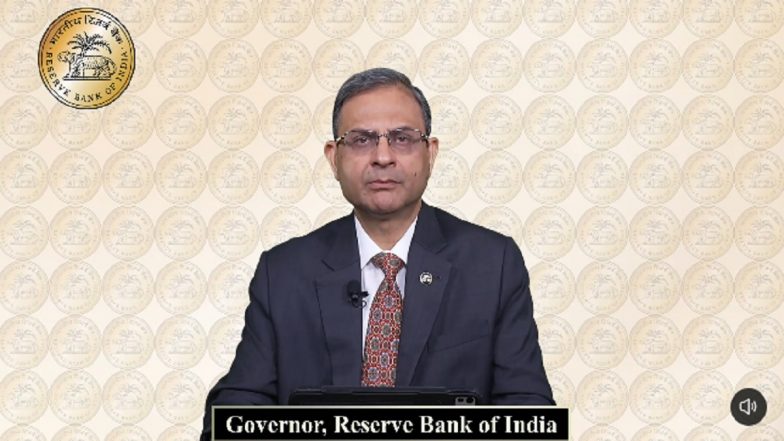
The Reserve Bank of India (RBI) on Wednesday raised the policy repo rate by 25 basis points to 5.50% from 5.25%, marking the central bank's first rate hike since February 2023. RBI Governor Sanjay Malhotra announced the decision in his Monetary Policy Statement, saying the Monetary Policy Committee (MPC) unanimously voted to increase the repo rate amid rising inflationary pressures and changing global economic conditions.
Sanjay Malhotra Issues Monetary Policy Statement
In his Monetary Policy Statement, RBI Governor Sanjay Malhotra outlined the MPC's assessment of the domestic and global economic environment and explained the reasoning behind the latest policy decision. The six-member MPC unanimously decided to raise the policy repo rate by 25 basis points to 5.50%. The RBI also changed its policy stance from neutral to "calibrated tightening", signalling a greater focus on containing inflation while monitoring economic growth. RBI MPC Decision Today: Sanjay Malhotra to Announce Repo Rate Amid Inflation, Crude Oil Above USD 100.
Repo Rate Hiked to 5.50% as RBI Governor Tighter Monetary Policy
Monetary Policy Statement by Shri Sanjay Malhotra, Governor, RBI - October 7, 2026 https://t.co/ppHzJigh1K
— ReserveBankOfIndia (@RBI) October 7, 2026
RBI Repo Rate Raised to 5.50%
The latest increase takes the repo rate to 5.50%, from 5.25% previously. The repo rate is the interest rate at which the RBI lends money to commercial banks, making it a key instrument for influencing borrowing costs and overall financial conditions. The hike marks the first increase in the benchmark rate since February 2023, when the RBI raised it to 6.50%. The central bank subsequently entered a prolonged pause before beginning a rate-cut cycle in 2025.
Inflation Concerns Behind RBI Rate Hike
Inflation has emerged as a key consideration for the central bank. Consumer inflation rose to 4.82% in August, moving above the RBI's 4% target for the third consecutive month. Higher crude oil prices, geopolitical tensions and weather-related risks have added to inflation concerns. The RBI's decision comes against this backdrop, even as domestic economic activity continues to remain strong.
RBI Signals Calibrated Tightening
The shift to a calibrated tightening stance is significant as it indicates that the RBI is prepared to take further steps if inflationary pressures persist. Governor Malhotra said the timing and extent of any further action would depend on incoming inflation and growth data. RBI Seen Beginning Rate-hike Cycle, Repo Rate May Reach 6% by FY27 as Inflation Risks Rise: Reports.
India's Growth Outlook Remains Strong
The rate decision comes despite resilient economic growth. India's GDP expanded 7.8% in the April-June quarter, exceeding the RBI's earlier expectations. The RBI has also raised its growth projection for the current financial year to 7.1%, according to Reuters, reflecting continued strength in domestic economic activity.
What RBI Repo Rate Hike Means for Borrowers
The 25-basis-point hike could increase borrowing costs if banks transmit the higher policy rate to their lending rates. Borrowers with floating-rate loans, including home loans, may see changes in their interest rates and EMIs depending on how individual lenders adjust their benchmark rates. The impact on borrowers will depend on the extent and speed of transmission by banks and financial institutions.
(The above story first appeared on LatestLY on Oct 07, 2026 10:48 AM IST. For more news and updates on politics, world, sports, entertainment and lifestyle, log on to our website latestly.com).