RBI Repo Rate Hike: Will Your EMI Increase? What Governor Sanjay Malhotra’s Statement Means for Borrowers
RBI Governor Sanjay Malhotra has warned that India’s inflation outlook is “no longer benign” as inflation expectations rise and price pressures broaden. With the repo rate raised to 5.50% and the stance shifted to calibrated tightening, borrowers may face pressure on lending rates, though the impact on EMIs will depend on individual loan terms.

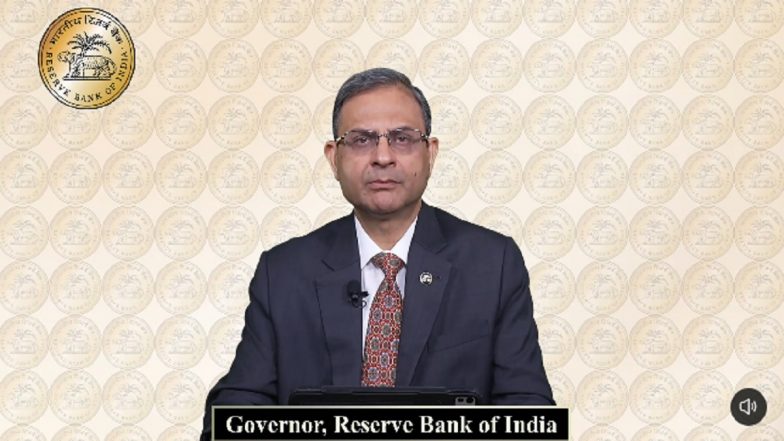
RBI Governor Sanjay Malhotra has flagged a change in the inflation environment, saying the outlook is “no longer benign” as inflation expectations show signs of rising and price pressures appear to be becoming more widespread. His comments came as the Monetary Policy Committee raised the repo rate by 25 basis points to 5.50 per cent and shifted its policy stance from “neutral” to “calibrated tightening”.
While the repo-rate hike itself has already been widely reported, Malhotra’s comments on the inflation outlook are particularly relevant for borrowers because the RBI’s latest stance could influence the direction of lending rates in the months ahead. RBI Raises Repo Rate by 25 Basis Points to 5.50% Amid Rising Inflation Pressures.
Sanjay Malhotra Flags Broader Inflation Pressure
In his Monetary Policy Statement, Malhotra said there is some evidence of elevated inflation expectations and a generalisation of price pressures. The distinction is important. The RBI is not looking only at the latest inflation number but also at whether price pressures are spreading across the economy and becoming more persistent. Malhotra said the inflation outlook is no longer as benign as it had been earlier.
August consumer inflation rose to 4.82 per cent, above the RBI’s 4 per cent medium-term target for the third consecutive month. The RBI has now raised its FY27 inflation projection to 5.2 per cent from its earlier estimate of 5 per cent.
What Does the Repo Rate Hike Mean for Your EMI?
For borrowers, the key question is whether the 25-basis-point hike will increase their EMI. The answer is not necessarily the same for every borrower. A repo-rate increase can raise borrowing costs when banks and lenders transmit the change to loans linked to external benchmarks. However, whether a particular borrower's EMI increases, the loan tenure changes, or there is no immediate change depends on the loan's interest-rate structure, benchmark and reset terms.
This means borrowers with floating-rate loans should check the benchmark and reset mechanism applicable to their loan rather than assuming that the EMI will automatically rise immediately after the RBI announcement.
Why the RBI’s New Policy Stance Matters
The RBI has moved its policy stance from “neutral” to “calibrated tightening”. This is an important signal because the central bank is now placing greater emphasis on containing inflation risks as price pressures evolve. However, the RBI has not announced a fixed series of future rate hikes. Malhotra said the timing and extent of any further increases would depend on actual inflation and growth outcomes. For borrowers, this means the latest decision should not be interpreted as confirmation that every loan EMI will rise or that another rate hike is certain.
RBI Raises Growth Forecast Alongside Inflation Projection
The RBI's latest assessment also shows why the central bank has room to focus more strongly on inflation. The central bank raised its FY27 real GDP growth forecast to 7.1 per cent from 6.7 per cent. GDP growth in the April-June quarter was 7.8 per cent, stronger than the RBI's earlier forecast of 7 per cent. The combination of stronger growth and rising inflation risks is significant for monetary policy. With economic activity remaining resilient, the RBI has greater scope to prioritise price stability.
What Borrowers Should Watch Now
For people currently paying a home loan, car loan or other floating-rate loan, the next important development will be how their lender responds to the RBI's decision. Borrowers should check whether their loan is linked to an external benchmark and when its next interest-rate reset is due. The impact on the monthly EMI can vary depending on the outstanding principal, interest rate and remaining tenure.
The bigger takeaway from Malhotra's statement is that the RBI is becoming more cautious about inflation becoming broad-based. If those pressures persist, borrowing costs could face further pressure even though the latest policy statement does not guarantee another rate increase. For households considering a new loan, the RBI's shift to calibrated tightening therefore makes the interest-rate outlook an important factor to watch before taking on a fresh long-term borrowing commitment.
(The above story first appeared on LatestLY on Oct 07, 2026 11:11 AM IST. For more news and updates on politics, world, sports, entertainment and lifestyle, log on to our website latestly.com).