Aadhaar Card Revamp on the Cards, Photo and QR Code May Replace Printed Details; Here’s Why
The Unique Identification Authority of India (UIDAI) is moving ahead with a major redesign of the physical Aadhaar card, aiming to significantly strengthen data privacy and prevent misuse of personal information.

New Delhi, February 14: The Unique Identification Authority of India (UIDAI) is moving ahead with a major redesign of the physical Aadhaar card, aiming to significantly strengthen data privacy and prevent misuse of personal information.
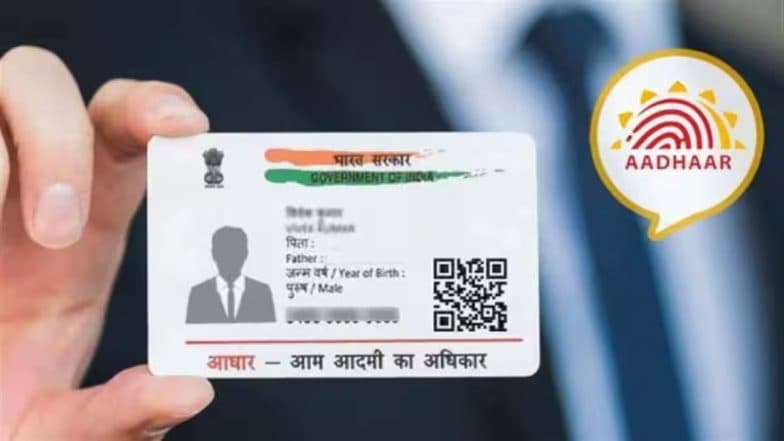
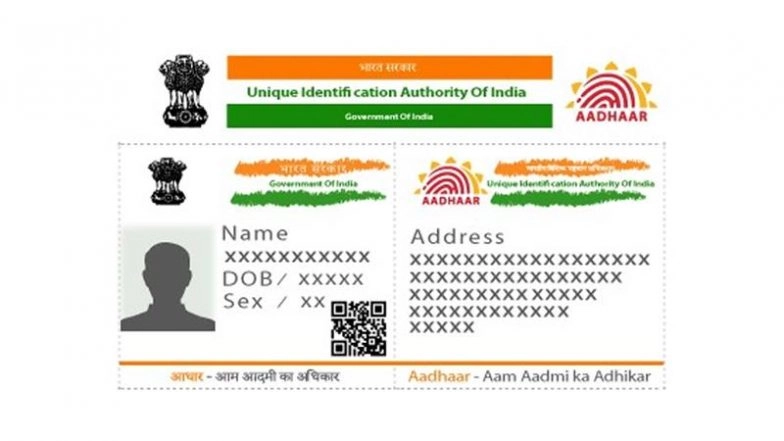
Under the proposed changes, future Aadhaar cards may display only the holder’s photograph and a secure, encrypted QR code. Crucially, sensitive details such as the 12-digit Aadhaar number, full name, and residential address may no longer be printed on the card’s surface. How To Download Aadhaar Card: Know Step-by-Step Guide for E-Aadhaar.
Why UIDAI Is Redesigning the Aadhaar Card
The primary objective of the redesign is to curb unauthorised photocopying and data leakage. UIDAI officials have repeatedly flagged concerns about Aadhaar copies being shared with hotels, event organisers, and housing societies without adequate safeguards.
UIDAI CEO Bhuvnesh Kumar recently highlighted that visible printed details often make identity theft easier. By eliminating exposed personal data, UIDAI aims to push institutions toward secure digital verification methods instead of physical document collection. Aadhaar Card Download: Know Steps To Download Aadhaar Card Online Using myAadhaar Portal, New Aadhaar App and DigiLocker.
Shift Toward Data Minimisation Under DPDP Act
The move aligns with the data minimization principle under India’s Digital Personal Data Protection Act. The law mandates that organizations collect only the minimum necessary personal data required for a specific purpose.
To support this transition, UIDAI is preparing to launch a revamped Aadhaar mobile application. The app is expected to allow users to generate customized QR codes that share only relevant details, for example:
• Age verification without revealing address
• Masked Aadhaar ID for hotel check-ins
• Limited identity data for event entry
This ensures consent-based, purpose-specific data sharing without exposing the full Aadhaar number.
Aadhaar New Design Rollout Timeline: What to Expect in 2026
As of February 2026, UIDAI is in the final stages of reviewing the regulatory framework and technical standards for the redesigned Aadhaar card format. Officials earlier indicated that implementation discussions would begin by December 2025, and the process is now progressing toward phased rollout.
The transition will require Offline Verification Seeking Entities (OVSEs), including hotels, gated communities, telecom operators, and private institutions, to upgrade their systems to support QR-based and facial recognition authentication.
While an official nationwide launch date is yet to be formally announced, industry sources suggest:
• Pilot deployments could begin in mid-2026
• Full-scale implementation may follow in phases
• Existing Aadhaar cards will likely remain valid
UIDAI is expected to issue detailed compliance guidelines before mandatory adoption begins.
Digital-First Aadhaar Ecosystem
Since its launch, Aadhaar has evolved from a paper-based ID into a sophisticated digital identity infrastructure. The proposed redesign signals the government’s strongest push yet toward a paperless verification ecosystem.
By removing the visible 12-digit number from the card surface, UIDAI is reinforcing the idea that the Aadhaar number should be treated like a confidential password, not a publicly shareable identifier.
If implemented as planned, the new Aadhaar card design could mark a major shift in India’s data protection landscape, reducing identity fraud risks while strengthening user consent and digital privacy safeguards.
(The above story first appeared on LatestLY on Feb 14, 2026 09:40 AM IST. For more news and updates on politics, world, sports, entertainment and lifestyle, log on to our website latestly.com).