Delhi Fuel Rule From October 1: Know Why You May Not Get Fuel
Delhi has begun enforcing stricter vehicle pollution controls from October 1, with vehicles without a valid Pollution Under Control Certificate (PUCC) being denied fuel across the National Capital Region (NCR). The measure is part of a wider winter air-pollution strategy focused on vehicular emissions, construction and road dust, industrial pollution and stubble burning.

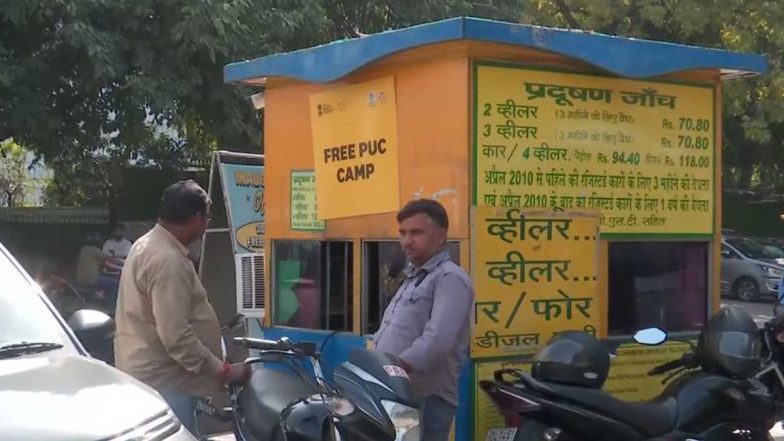
Delhi has begun enforcing stricter vehicle pollution controls from October 1, with vehicles without a valid Pollution Under Control Certificate (PUCC) being denied fuel across the National Capital Region (NCR). The measure is part of a wider winter air-pollution strategy focused on vehicular emissions, construction and road dust, industrial pollution and stubble burning.
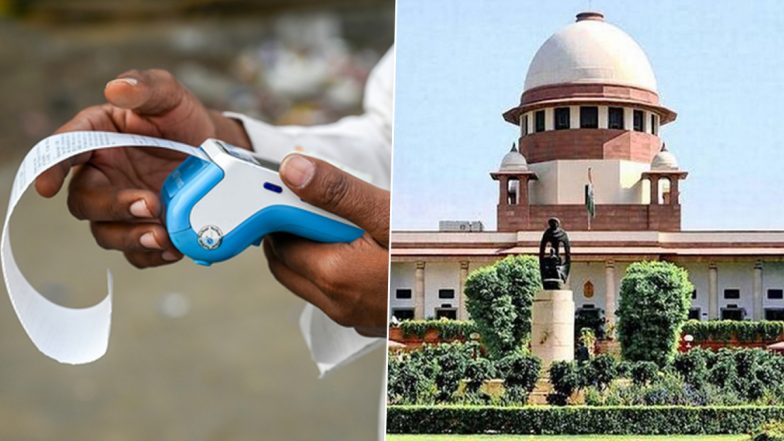
In Delhi, the “No PUCC, No Fuel” drive is being implemented in mission mode at 500 fuel stations equipped with Automatic Number Plate Recognition (ANPR) systems. The Commission for Air Quality Management (CAQM) has directed NCR authorities to enforce restrictions on fuelling vehicles without valid pollution certificates from October 1. Delhi Steps Up Winter Pollution Measures; Work-from-home, Construction Curbs Planned.
No PUCC, No Fuel Rule Takes Effect
Under CAQM Direction No. 101, issued on May 15, 2026, vehicles without a valid Pollution Under Control Certificate cannot be refuelled at fuel and CNG stations in the NCR from October 1.
The system is designed to link vehicle identification with PUCC status so that vehicles with expired or invalid certificates can be prevented from purchasing fuel. In Delhi, authorities have focused on 500 fuel stations equipped with ANPR cameras. The technology is intended to help identify vehicles automatically and strengthen enforcement at fuel stations.
Why Delhi Is Tightening Pollution Checks
The new enforcement comes ahead of the winter months, when Delhi-NCR traditionally faces deteriorating air quality because of a combination of weather conditions and multiple pollution sources. The CAQM's latest review covered vehicular and industrial emissions, road and construction dust, waste and biomass burning, and preparations to prevent paddy stubble burning in Punjab, Haryana and Uttar Pradesh. The government has also directed agencies to strengthen enforcement against vehicles and other sources contributing to pollution across the region.
Action Against Older and Polluting Vehicles
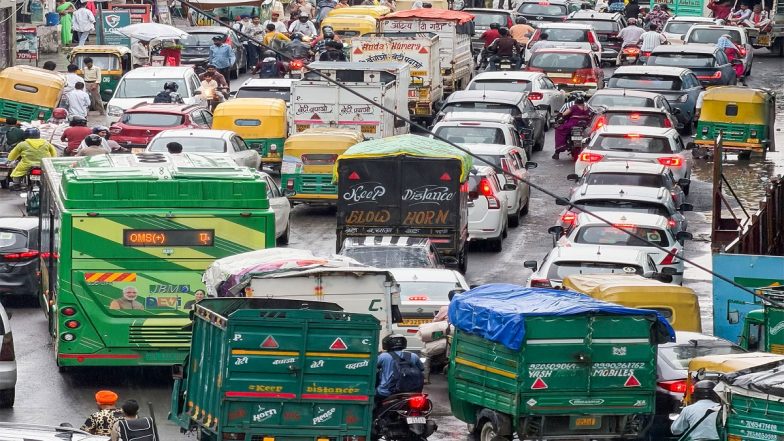
Vehicle emissions remain a major focus of the wider pollution-control strategy. CAQM reviewed restrictions on the entry of BS-IV and older transport and commercial goods vehicles into Delhi. Authorities are also stepping up action against old and end-of-life vehicles, including measures involving their seizure and scrapping. The phase-out of diesel auto-rickshaws in NCR districts by December 31, 2026, was also reviewed as part of the broader transition towards cleaner transport. Delhi Records Lowest September Average AQI in 5 Yrs at 102; Air Quality Improvement Trend Continues.
Delhi has additionally been expanding technology-based vehicle testing. The government has announced fitness testing for a large number of vehicles through Automated Testing Stations as part of efforts to improve emissions and roadworthiness checks.
Construction Restrictions Planned for Winter
The pollution-control strategy extends beyond vehicles. Delhi's winter action plan includes restrictions on construction and demolition activities during periods when pollution is expected to worsen. A complete ban on construction and demolition activities has been announced from December 10, 2026, to January 20, 2027, while additional restrictions are planned from November.
Authorities are also focusing on road dust, construction waste and identified pollution hotspots. The CAQM has asked agencies to increase the deployment of mechanical road-sweeping machines and conduct inspections at construction and demolition sites, industrial units and diesel generator sites.
Focus on Stubble Burning in NCR States
Stubble burning in neighbouring states is another part of the winter pollution strategy. CAQM reviewed preparations in Punjab, Haryana and Uttar Pradesh to prevent paddy residue burning during the 2026 season. Measures include crop diversification, Direct Seeded Rice, better utilisation of crop residue and awareness programmes for farmers. The stated objective is to eliminate stubble-burning incidents through coordinated action across the region.
What a Valid PUC Certificate Means
A valid PUCC confirms that a vehicle has met the prescribed emission limits covered by the applicable pollution test. However, the certificate does not necessarily mean that a vehicle produces low levels of every major pollutant. Current PUC tests do not directly measure all pollutants, including nitrogen oxides and certain particulate emissions, according to experts cited by NDTV. This means the effectiveness of the “No PUCC, No Fuel” policy will also depend on the quality of emissions testing and enforcement against vehicles that are genuinely high polluters.
Wider Delhi Winter Pollution Action Plan
The “No PUCC, No Fuel” measure is one part of a broader strategy for the 2026-27 winter pollution season. The plan also includes measures involving public transport, pollution hotspots, industrial emissions, waste and biomass burning, road dust and greening. The Centre and NCR authorities have called for coordinated and time-bound enforcement of the measures. For vehicle owners in Delhi-NCR, the immediate change from October 1 is clear: maintaining a valid PUCC is now directly linked to the ability to refuel under the new enforcement regime.
(The above story first appeared on LatestLY on Oct 01, 2026 04:18 PM IST. For more news and updates on politics, world, sports, entertainment and lifestyle, log on to our website latestly.com).