Why Has the Government Removed the 12-Minute Advertisement Cap on TV Channels?
The government has removed the 12-minute-per-hour cap on TV advertisements, citing the rise from 62 channels in 2006 to over 900 today. The move follows a Delhi High Court ruling upholding the cap and comes to enable fair competition between TV and digital media platforms.


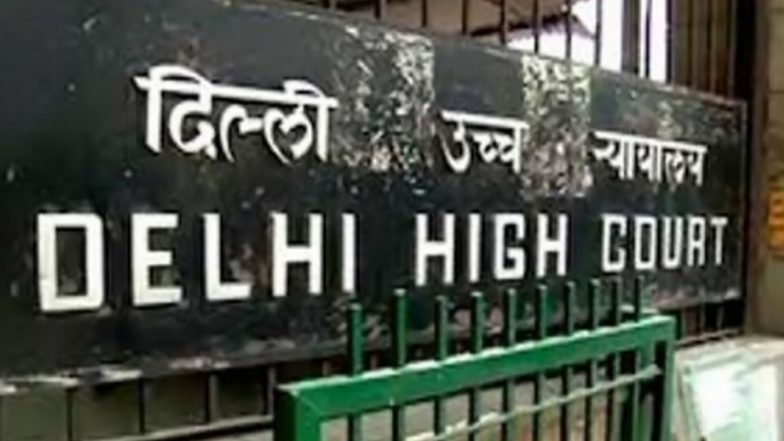
The government has decided to remove the 12-minute-per-hour cap on advertisements aired by television channels, the Information and Broadcasting ministry said on Friday, citing sweeping changes in the broadcasting landscape. The decision comes months after the Delhi High Court upheld the restriction, introduced in 2006, and ruled that there was "no constitutional guarantee of profitability or unlimited monetisation of public resources."
What Was The 12-Minute Advertisement Rule?
The restriction, contained in Rule 7(11) of the Cable Television Networks Rules, 1994, currently bars television channels from carrying advertisements exceeding 12 minutes in an hour, including up to 10 minutes of commercial advertisements and two minutes of self-promotional content.
In its statement, the ministry pointed out that in 2006, when the restriction was introduced, there were only 62 TV channels, compared to more than 900 channels at present. UP Government Plans INR 50,000 Financial Aid Scheme for Women Ahead of Assembly Elections 2026.
"In view of the changes that have occurred in the TV broadcasting sector, a need was felt to revisit the stipulations relating to advertisement duration. In India, the sector is heavily dependent on advertising, irrespective of whether a channel is 'pay' or 'free-to-air'. Furthermore, there was a non-level playing field for traditional TV channels vis-a-vis digital media, where no such stipulation on advertisement cap regulation exists," the statement said. How Much Did the Indian Government Spend on PM Narendra Modi’s Foreign Trips?
When Will The New Rule Come Into Effect?
The decision will come into effect once the amendment to the Cable Television Networks Rules, 1994, is notified in the Gazette, the ministry said, adding that it was being done "to enable fair competition and ensure ease of doing business."
What Did The Delhi High Court Rule On The Ad Cap?
In May, a Delhi High Court bench of Justices Anil Kshetarpal and Amit Mahajan dismissed petitions by several general entertainment channels, news broadcasters and regional channels challenging the restriction's legal validity.
The court held that TRAI acted within its statutory authority in fixing a ceiling of "10+2 minutes per clock hour" and said the framework struck a proportionate balance between broadcasters' rights and public interest. It had observed that spectrum and airwaves were scarce public resources held in trust by the State and said the restriction prevented excessive commercial exploitation while ensuring their equitable use.
"There is no constitutional guarantee of profitability or unlimited monetisation of public resources," the court had said, rejecting broadcasters' arguments that the cap adversely affected their advertising revenues and commercial speech rights.
(The above story first appeared on LatestLY on Aug 15, 2026 09:04 AM IST. For more news and updates on politics, world, sports, entertainment and lifestyle, log on to our website latestly.com).