India's 80th Independence Day: Date, History and Significance Explained
India celebrates its 80th Independence Day on August 15, marking freedom from British rule. Explore the history, significance, and nationwide celebrations, including flag hoisting ceremonies and the Prime Minister's address from the Red Fort. Learn about the 'Viksit Bharat by 2047' vision and how India is marching towards a developed future.

As the sun rises on August 15, India will once again be bathed in the vibrant hues of its national flag, commemorating its 80th year of freedom from British colonial rule. More than just a date on the calendar, Independence Day, or Swatantrata Diwas, is a deeply cherished national holiday that resonates with the struggles, sacrifices, and triumphs of a nation's journey towards self-determination and its ongoing quest for a 'Developed India' by its centenary year of independence.
The Date and Its Unwavering Significance
India's Independence Day is celebrated annually on August 15, a fixed date that does not change. In 2026, this significant day falls on a Saturday, marking the 80th anniversary since the Indian Independence Act of 1947 came into effect. It is observed throughout India as a gazetted public holiday, with national, state, and local government offices, post offices, and banks remaining closed. The day instils a profound sense of patriotism among citizens, serving as a reminder of the relentless struggle for freedom and a call to renew the pledge to serve the nation. Independence Day 2026: Har Ghar Tiranga Dates, Flag Code Rules and Guidelines.
A Glimpse into History: The Dawn of Freedom
India's path to independence was a long and arduous one, stretching over two centuries of British colonial rule. The pivotal moment arrived on August 15, 1947, when India broke free from foreign domination. This freedom was largely the result of a powerful non-violent resistance and civil disobedience movement, spearheaded by iconic leaders such as Mahatma Gandhi. His philosophy of Satyagraha, alongside movements like the Non-Cooperation Movement, the Salt March, and the Quit India Movement, galvanised millions across the subcontinent. Key figures like Jawaharlal Nehru, Sardar Patel, and countless others played instrumental roles in shaping the nation's destiny. The Indian Independence Act 1947 formally transferred power, though it also led to the painful partition of British India into the independent dominions of India and Pakistan. On that historic day in 1947, India's first Prime Minister, Jawaharlal Nehru, hoisted the Indian national flag above the Lahori Gate of the Red Fort in Delhi, a tradition continued by every incumbent Prime Minister since.
Celebrating Today: Traditions and Patriotism
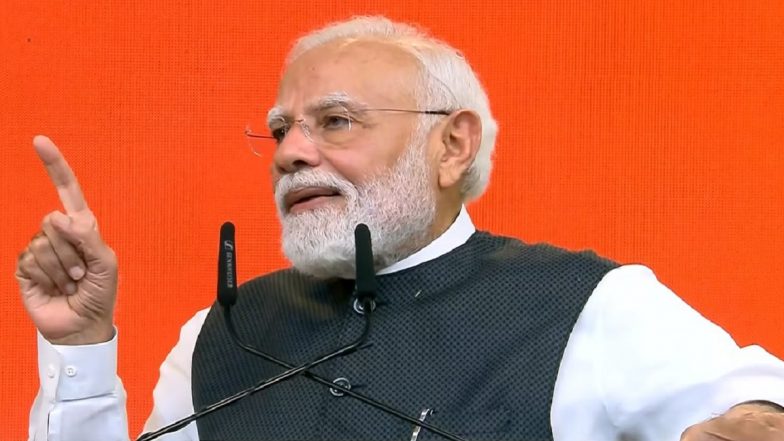
Independence Day celebrations across India are marked by fervent patriotism and a host of cherished traditions. The main event takes place at the Red Fort in Delhi, where the Prime Minister hoists the national flag and delivers an address to the nation, outlining achievements and future goals. On the eve of Independence Day, the President of India addresses the country. Nationwide, flag-hoisting ceremonies are organised in schools, colleges, government offices, and residential areas, followed by the singing of the national anthem, "Jana Gana Mana". Parades by the Indian Armed Forces and paramilitary forces, cultural programs showcasing India's rich heritage, and patriotic songs are common sights. Many people fly kites, symbolizing freedom, and adorn themselves and their surroundings with the tricolor. Government buildings, including the Rashtrapati Bhavan and Parliament House, are beautifully illuminated in the national colours. Bank Holidays List August 2026: RBI Holiday Calendar With Dates for Weekend Offs.
Towards Viksit Bharat 2047: A Vision for a Developed Nation
As India celebrates its 80th year of independence, the national discourse is increasingly focused on the ambitious vision of "Viksit Bharat by 2047" — transforming India into a developed nation by the 100th anniversary of its independence. This long-term national direction integrates economic reform, social development, and public participation, recognising that national strength stems from the well-being of its people and its global standing. The vision is underpinned by four key pillars: Yuva (Youth), Garib (The Poor), Mahilayen (Women), and Annadata (Farmers), all essential for India's progress. For Independence Day 2026, the theme is expected to revolve around Indigenous Technologies, Green Transition, and Atmanirbhar Defence, with all equipment used at the Red Fort ceremony being indigenously built for the first time. The Prime Minister's speech is anticipated to highlight these advancements, potentially with real-time translation into over 22 Indian languages via Digital India Bhashini. The nationwide campaign slogan, "Honouring Freedom, Inspiring the Future," encourages citizens to contribute to this national goal.
India's 80th Independence Day is not just a remembrance of the past but a powerful affirmation of its vibrant present and its determined march towards a prosperous future. It's a day for every Indian to reflect on the journey, celebrate unity in diversity, and commit to building a stronger, more developed nation.
(The above story first appeared on LatestLY on Aug 06, 2026 07:16 PM IST. For more news and updates on politics, world, sports, entertainment and lifestyle, log on to our website latestly.com).