AI-Designed Universal Coronavirus Vaccine Passes First Human Trial With 100% Safety Record, Marks Major Medical Breakthrough
A revolutionary artificial intelligence-designed coronavirus vaccine has successfully completed its first human clinical trial, marking a major breakthrough in the global fight against future pandemics.


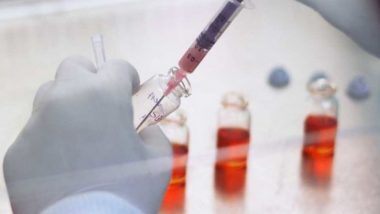
A revolutionary artificial intelligence-designed coronavirus vaccine has successfully completed its first human clinical trial, marking a major breakthrough in the global fight against future pandemics. The experimental "universal" vaccine, developed by researchers at the University of Cambridge and biotechnology company DIOSynVax, demonstrated a 100 per cent safety profile and generated strong immune responses against multiple coronavirus strains.
The findings, published in the Journal of Infection, represent the first successful human trial of a vaccine whose active component was designed entirely using artificial intelligence and computer simulations. Experts believe the technology could pave the way for a new generation of vaccines capable of protecting against both current and future coronavirus threats.
AI Creates a Universal Coronavirus Defence
Unlike conventional vaccines that target specific viral strains, the AI-designed vaccine was engineered to provide broad protection across the coronavirus family. Researchers used machine learning algorithms to analyse thousands of coronavirus genetic sequences, including SARS-CoV-2, SARS-CoV-1 and numerous animal-borne coronaviruses circulating in wildlife. Moderna’s COVID-19 Vaccine Gets US FDA Nod for Limited Use in Children Under 12 Years.
The AI system identified genetically conserved regions that remain largely unchanged as viruses mutate. Scientists then combined these stable components to create a synthetic "super-antigen" capable of training the immune system to recognise and attack a wide range of coronavirus variants.
This approach could help overcome one of the biggest challenges in infectious disease control: the constant emergence of new variants that reduce the effectiveness of existing vaccines.
Phase 1 Trial Shows Strong Safety Results
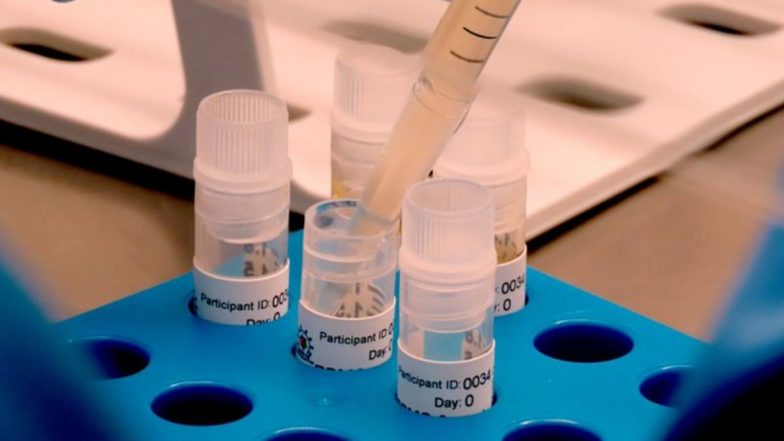
The Phase 1 clinical trial involved 39 healthy volunteers aged between 18 and 50 years. Researchers reported no serious adverse events, giving the vaccine a 100 per cent safety record during the initial study.
In addition to its strong safety profile, the vaccine successfully triggered immune responses against multiple coronavirus strains, supporting the concept of a universal coronavirus vaccine. COVID-19 Jabs Safe as ICMR, AIIMS Studies Find No Link Between Coronavirus Vaccine and Sudden Deaths, Says Centre.
While the trial was designed primarily to assess safety and immunogenicity, the results provide an encouraging foundation for larger studies aimed at evaluating long-term protection and real-world effectiveness.
Needle-Free Technology Could Transform Vaccination
Another standout feature of the study was its innovative delivery system. Instead of traditional injections, the vaccine was administered using a needle-free microfluidic jet device.
The technology delivers vaccine material through the skin using a high-pressure stream of fluid, eliminating the need for syringes. Researchers say the method could reduce needle-related injuries, lower medical waste and improve vaccine acceptance among people with needle phobia.
The approach may also simplify large-scale immunisation campaigns, particularly in regions where medical waste management and healthcare infrastructure remain challenging.
Why This Breakthrough Matters for India
The success of a universal coronavirus vaccine could have significant implications for India, where vaccinating a population of more than 1.4 billion people during recurring outbreaks presents major logistical challenges.
A single vaccine capable of protecting against multiple coronavirus strains could reduce the need for repeated booster campaigns, easing pressure on public health systems and lowering vaccination costs.
The needle-free delivery platform could also benefit rural healthcare networks by reducing dependence on syringes and simplifying vaccine distribution in remote areas.
Additionally, because the vaccine was designed using data from animal-borne coronaviruses, it may offer protection against future zoonotic diseases before they spread widely among humans.
What Happens Next?
Despite the promising Phase 1 results, the vaccine still faces several regulatory and scientific hurdles before it can reach the public. Researchers are preparing for Phase 2 clinical trials, which will involve a larger and more diverse group of participants.
These studies will assess the durability of immune protection and determine whether the vaccine can provide broad, long-lasting defence against multiple coronavirus threats.
If future trials are successful, the AI-driven platform could be adapted to develop universal vaccines for other rapidly evolving diseases, including influenza and Ebola, potentially transforming how the world prepares for future pandemics.
The breakthrough signals a new era in vaccine development, where artificial intelligence may help scientists predict and counter emerging viral threats before they become global health emergencies.
(The above story first appeared on LatestLY on Jun 07, 2026 11:14 AM IST. For more news and updates on politics, world, sports, entertainment and lifestyle, log on to our website latestly.com).