Where To Get Polio Drops Near You in India?
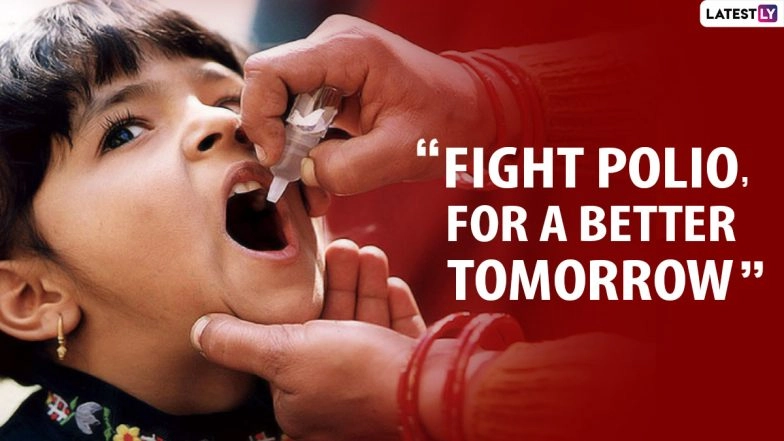
Parents and caregivers searching for "polio drops near me" can access the vaccine free of cost at government hospitals, primary health centres (PHCs), Anganwadi centres, and during nationwide immunization drives held periodically through the year.

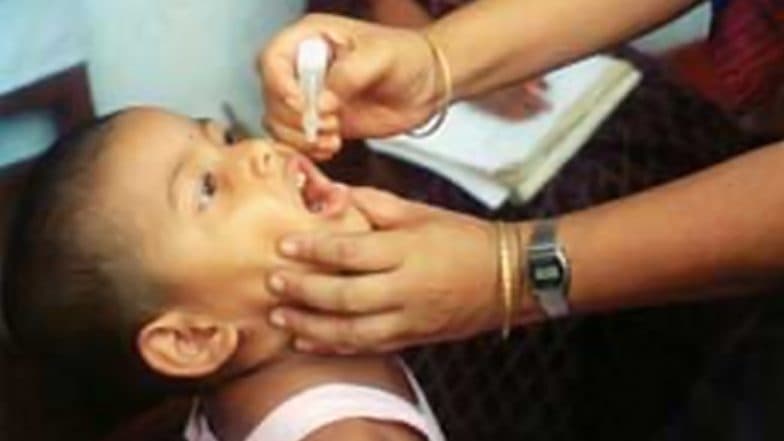
Parents and caregivers searching for "polio drops near me" can access the vaccine free of cost at government hospitals, primary health centres (PHCs), Anganwadi centres, and during nationwide immunization drives held periodically through the year. India has maintained its polio-free status since 2014, but health authorities continue to administer the oral polio vaccine (OPV) to children under five as part of the Universal Immunization Programme (UIP). ‘Don’t Give Polio Drops To Children Under 5’ Fake WhatsApp Forward Spreads Fake News About Polio Vaccines.
Background: Why Polio Drops Still Matter
India recorded its last wild poliovirus case in January 2011, in West Bengal. The World Health Organization certified the country polio-free in March 2014. Despite this, health officials have continued the vaccination drive because the virus still circulates in neighbouring countries, and traces of vaccine-derived poliovirus have occasionally been detected in environmental surveillance, including sewage samples from some Indian cities.
Officials say stopping vaccination altogether could allow the disease to re-establish itself within a few years, which is why polio drops remain part of routine immunization even in a polio-free country. Oral Poliovirus Vaccine Drop Contamination: What We Need To Know About Type 2 Polio.
National Immunization Days in 2026
India held its National Immunization Day (NID) rounds for 2026 on January 19 and March 1. On these days, the government typically sets up temporary polio booths at schools, Anganwadi centres, railway stations, bus stands, and other public places across the country, allowing children to receive drops without prior registration.
In cities such as Delhi, booths are usually set up at metro stations, major markets, and large government hospitals, including AIIMS, Safdarjung Hospital, and Lok Nayak Hospital, during these drives. States bordering Nepal, such as parts of Uttar Pradesh, including Gorakhpur and Kushinagar, often see additional rounds because of cross-border population movement.
Beyond the two main NID rounds, the government also conducts Sub-National Immunization Days (SNIDs) in select high-risk districts, depending on surveillance data and local health assessments.
Where to Get Polio Drops if You Missed the Drive
For parents who missed the scheduled NID rounds, health officials say catch-up vaccination is safe at any time. Polio drops, along with the fractional inactivated polio vaccine (fIPV), are available year-round, free of charge, at:
District hospitals and primary health centres (PHCs)
Anganwadi centres
Community health centres
Urban primary health centres in cities
Parents can also consult their local ASHA (Accredited Social Health Activist) worker, who maintains immunization records for children in their area and can guide families to the nearest centre.
How to Find a Centre Near You
A few simple options exist for locating the nearest immunization point:
Call 104, the National Health Helpline, which operates in 12 Indian languages and can direct callers to the nearest vaccination centre.
Use the Aarogya Setu app, which allows users to set reminders for upcoming immunization rounds.
Check with the nearest Rotary International polio booth listing, since Rotary has historically supported supplemental polio booths during NID rounds in coordination with the government.
The Vaccination Schedule
Under the UIP, the polio vaccination schedule includes a birth dose, administered within 15 days of birth even for preterm or caesarean-delivered babies, followed by additional OPV doses and the fIPV given intradermally at one-fifth the standard dose to maximise supply while maintaining protection.
Officials note that children should receive Pulse Polio drops during NID and SNID rounds even if they have already completed their routine immunization schedule, since the supplementary doses are meant to strengthen community-wide immunity rather than replace individual vaccination records.
Addressing Common Concerns
Health authorities have repeatedly clarified some common misconceptions around the vaccine. Officials say the oral polio vaccine does not cause polio in healthy children, noting that the rare risk of vaccine-associated paralytic polio is approximately one in 2.7 million doses, far lower than the risk faced by an unvaccinated child exposed to the wild virus. They also stress that children who received their hospital birth doses still need supplementary NID drops, since these serve a different, community-level protective purpose.
For families looking to verify the next scheduled round in their state, checking with the local health department, the nearest PHC, or contacting an ASHA worker remains the most reliable approach, since exact dates can vary by district based on local risk assessments.
(The above story first appeared on LatestLY on Jun 28, 2026 12:25 PM IST. For more news and updates on politics, world, sports, entertainment and lifestyle, log on to our website latestly.com).