Donald Trump Again Threatens to Hit Iran’s Power Plants and Oil Wells If Deal Isn’t Reached
President Trump has threatened to "obliterate" Iran's power plants and oil hubs if the Strait of Hormuz isn't reopened shortly. The move follows Iranian strikes on a Kuwaiti desalination plant and UN peacekeeper deaths in Lebanon. With Brent crude surpassing USD 115, the global energy crisis continues to intensify amid stalled diplomacy.

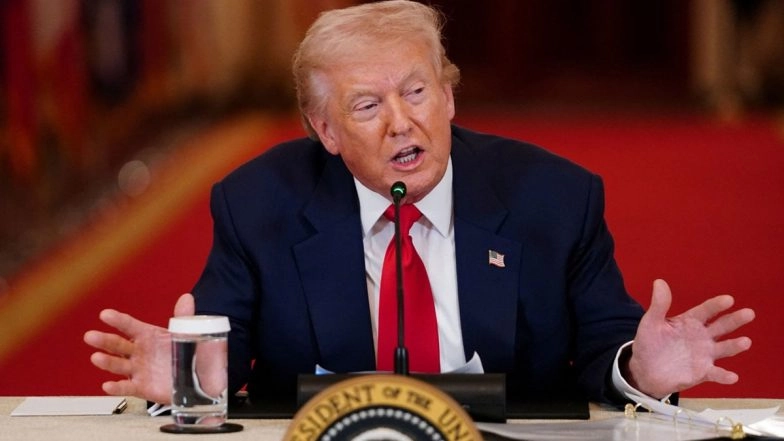
Mumbai, March 31: US President Donald Trump has issued a severe ultimatum to Tehran, threatening the complete destruction of Iran’s energy grid and vital infrastructure if a diplomatic resolution is not reached "shortly." In a social media post on Monday, the President warned that the US military is prepared to target electric generating plants, oil wells, and the strategic Kharg Island export hub. The threat follows a month of high-intensity conflict and comes as Iran retaliates with strikes on energy facilities in neighbouring Gulf states.
The escalation has sent global energy markets into a tailspin, with Brent crude prices climbing nearly 60% since the start of the war on February 28. On Monday, the international benchmark was trading near USD 116.40 per barrel. Tensions were further inflamed as Iran-backed Houthi rebels officially entered the conflict over the weekend, launching their first missile attacks and prompting the US to deploy additional special operations forces to the region. 28 Ships Bound for India Stranded in Strait of Hormuz Amid Middle East Conflict; 8 Vessels Reach Safely.
Retaliatory Strikes Hit Kuwaiti and Iranian Energy Sites
The conflict saw a direct expansion into civilian infrastructure over the last 24 hours. An Iranian missile strike targeted a major power and water desalination plant in Kuwait late Sunday, resulting in the death of an Indian national and wounding 10 soldiers. Kuwaiti authorities reported significant material damage to a service building at the facility, which is critical for the nation's drinking water supply.
Simultaneously, Israel and the US launched a fresh wave of airstrikes across Iran. According to Iranian state media, targets included Mehrabad International Airport in Tehran and a petrochemical production facility in the northern city of Tabriz. Residents in Karaj reported widespread power outages following strikes on nearby military and industrial positions, as the US military reportedly shifted its focus toward dismantling the "serving side" of Iran’s state infrastructure.
Trump Demands Opening of Strait of Hormuz Amid Stalled Talks
A central demand in Trump's latest ultimatum is the immediate reopening of the Strait of Hormuz for international trade. The waterway, which facilitates the passage of approximately 20% of global oil supplies, has been virtually paralysed by Iranian naval restrictions. Trump claimed on Truth Social that while "great progress" is being made in backchannel discussions facilitated by Pakistan, the US will broaden its offensive if the waterway is not declared "Open for Business" immediately.
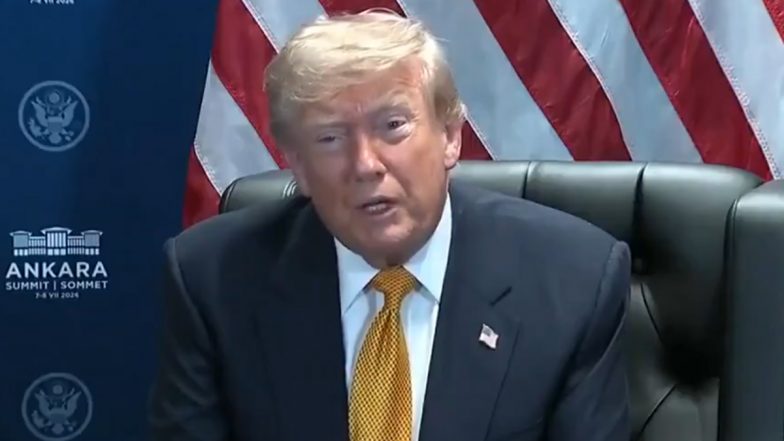
"If for any reason a deal is not shortly reached... we will conclude our lovely 'stay' in Iran by blowing up and completely obliterating all of their Electric Generating Plants, Oil Wells and Kharg Island," Trump wrote.
However, Tehran continues to deny direct negotiations. Iranian Foreign Ministry spokesperson Esmail Baghaei described a 15-point US proposal as containing "unrealistic and irrational" demands. Meanwhile, Iranian Parliament Speaker Mohammad Bagher Qalibaf dismissed the mediation efforts as a cover for American troop deployments, warning that Iranian forces are "waiting" for any US ground invasion to "punish their regional partners forever."
UN Peacekeepers Killed in Lebanon as Ground War Widens
The regional crisis deepened in southern Lebanon, where the UN Interim Force in Lebanon (UNIFIL) reported the deaths of three Indonesian peacekeepers within a 24-hour window. Two peacekeepers were killed when an explosion of "unknown origin" destroyed their vehicle, while a third died after a projectile struck a UNIFIL base near Adchit Al Qusayr. The UN Security Council has scheduled an emergency session for Tuesday following a request from France to address the safety of international personnel.
On the ground, Israeli Prime Minister Benjamin Netanyahu confirmed over the weekend that the military would expand its "security strip" in southern Lebanon. The offensive has led to a massive humanitarian crisis, with Lebanese officials reporting over 1,200 deaths and more than 1 million people displaced. In Iran, the death toll has reportedly surpassed 1,900 since the war began, while Israel has reported 19 fatalities.
Global Energy Markets and Economic Fallout
The threat to Iran’s desalination and energy plants has raised serious concerns regarding international humanitarian law, which prohibits attacks on civilian infrastructure unless a clear military advantage outweighs the harm to non-combatants. Despite these concerns, market analysts expect fuel prices to remain volatile. Gasoline prices in the US have already reached a national average of USD 3.99 per gallon, putting further pressure on the Trump administration to secure a ceasefire. Israel Passes Law Mandating Death Penalty for Palestinians Convicted of Terrorist Attacks.
As the war enters its second month, the global focus remains on the 20 oil tankers Trump claimed Iran had agreed to release as a "sign of respect." However, as of Tuesday morning, there has been no independent verification of vessel movement within the Strait of Hormuz. With NATO air defences now active over Turkey to intercept Iranian ballistic missiles, the conflict shows no immediate signs of de-escalation.
(The above story first appeared on LatestLY on Mar 31, 2026 09:39 AM IST. For more news and updates on politics, world, sports, entertainment and lifestyle, log on to our website latestly.com).