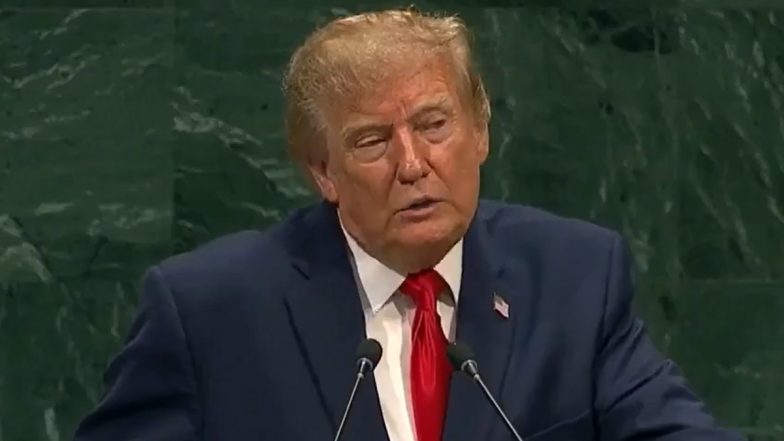
US President Donald Trump, Iran Discuss Ceasefire Deal Linked to Strait of Hormuz Reopening: Report
The US is exploring a ceasefire deal with Iran tied to reopening the Strait of Hormuz, a key global oil route. President Donald Trump said he would consider a truce if shipping resumes, but Iran denied any negotiations. The conflict has disrupted maritime traffic and energy supplies, with diplomatic efforts ongoing amid continued tensions.

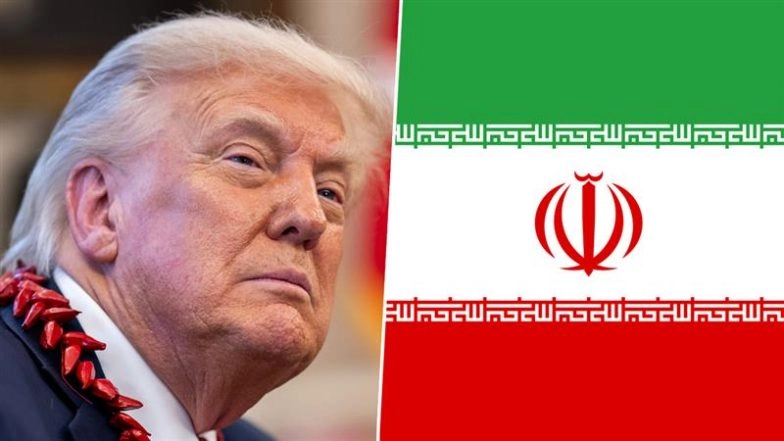
New York, April 1: The United States is exploring a potential ceasefire arrangement with Iran that could be tied to reopening the strategically vital Strait of Hormuz, according to US officials cited in recent reports. The discussions, still at an early stage, are aimed at easing tensions that have disrupted global energy supplies and heightened regional instability.
According to Axios, officials said it remains unclear whether the talks are taking place directly or through intermediaries. However, the possibility of linking a ceasefire to restoring shipping through the strait is being actively considered within the administration of Donald Trump.
Ceasefire Proposal and Diplomatic Outreach
According to officials, the proposed framework would involve Iran allowing the resumption of maritime traffic through the Strait of Hormuz in exchange for a halt in hostilities.
Reports indicate that the US has initiated quiet diplomatic outreach, including directing senior officials to communicate that Washington is open to a ceasefire if key conditions are met. The reopening of the strait, a critical route for global oil shipments, remains central to these discussions. China and Pakistan have also reportedly presented a peace initiative along similar lines, reflecting broader international concern over the conflict.
Conflicting Claims From Washington and Tehran
President Trump said on Wednesday that Iran had requested a ceasefire, but stressed that any agreement would depend on reopening the Strait of Hormuz. In contrast, Iran’s foreign ministry rejected the claim, calling it “false and baseless,” and reiterated that there are no direct negotiations with Washington.
Analysts suggest that Trump’s remarks may refer to recent comments by Iranian President Masoud Pezeshkian, who indicated that Iran is willing to end hostilities if the US halts its attacks and provides guarantees against future escalation.
Ongoing Conflict and Maritime Disruptions
The conflict has already had significant consequences for global shipping and energy markets. Iran has restricted movement through the Strait of Hormuz, a passage that typically handles about one-fifth of the world’s oil supply.
Iran’s Revolutionary Guards have stated that the strait will remain closed to what they describe as “enemy” nations. Recent incidents include reported strikes on vessels in the Gulf, further raising concerns over maritime security.
Within the US, there are differing views on the path forward. Some officials are exploring diplomatic options to de-escalate tensions, while regional allies, including Israel and Gulf states, are urging continued pressure on Iran.
President Trump has indicated that military options, including a potential ground operation, remain under consideration, even as he suggests the conflict could end soon.
What Comes Next
The situation remains fluid, with no confirmed agreement in place. Observers say any ceasefire would depend on complex negotiations involving security guarantees, energy flows and regional stability.
For now, both sides continue to exchange rhetoric and military actions, while diplomatic efforts seek a possible off-ramp from the escalating conflict.
(The above story first appeared on LatestLY on Apr 01, 2026 09:17 PM IST. For more news and updates on politics, world, sports, entertainment and lifestyle, log on to our website latestly.com).