Ali Khamenei Funeral Procession: Iran Sets July 4 Ceremony Date, Former Supreme Leader to Be Buried in Mashhad on July 9
Iranian authorities have announced the official timeline for the state funeral of former Supreme Leader Ayatollah Ali Khamenei. The ceremonies are scheduled to begin in Tehran on July 4, culminating in a burial on July 9 in the northeastern holy city of Mashhad.

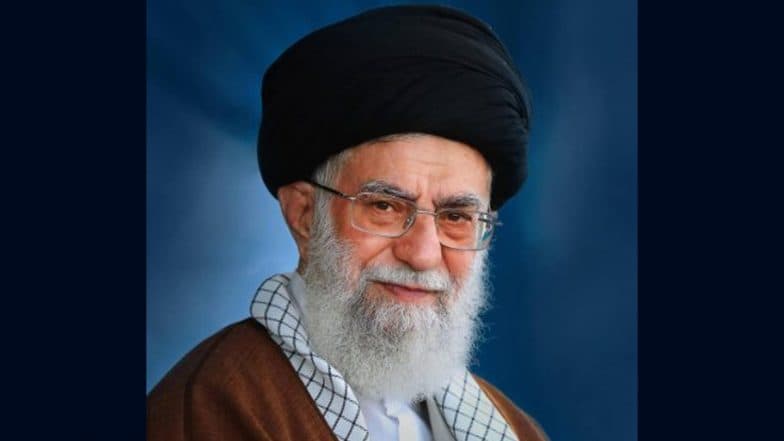
Iranian authorities have announced the official timeline for the state funeral of former Supreme Leader Ayatollah Ali Khamenei. The ceremonies are scheduled to begin in Tehran on July 4, culminating in a burial on July 9 in the northeastern holy city of Mashhad. The announcement follows months of logistical preparations and repeated security delays inside the country.
A Multi-City Farewell Procession
According to the state-appointed funeral committee, the multi-day program will commence with public farewell rituals and major mourning processions in the capital city of Tehran. Following the initial ceremonies, the late leader’s body is expected to be transported to key religious centers, including the holy city of Qom. Why Ayatollah Ali Khamenei’s Burial Is Still Delayed in Iran?.
The final phase of the state funeral will take place in Mashhad, Khamenei’s birthplace. He will be interred at the Imam Reza Shrine, a premier site in Shiite Islam that draws millions of pilgrims annually. Officials noted that the extensive timeline was structured to accommodate millions of expected mourners from across Iran and neighbouring regions, including large registered delegations from Iraq.
Delays Driven by Regional Security
The scheduling of the public ceremonies comes more than four months after Khamenei’s death on February 28, 2026, when a joint U.S.-Israeli aerial operation targeted high-ranking Iranian officials in Tehran. The resulting conflict, which heavily impacted regional security, prompted the state establishment to repeatedly delay large-scale public gatherings. Political analysts suggest that the public release of the July dates indicates growing confidence among Iran's leadership that domestic security structures have stabilized.
The Symbolism of the Timeline
The decision to hold the processions in early July carries significant religious and strategic framing for the Islamic Republic. The committee chose to schedule the events immediately following the major Shiite mourning period of Ashura, the tenth day of the lunar month of Muharram. By anchoring the state funeral to this period, authorities are aligning the late leader's death with historical narratives of religious martyrdom. State media reports emphasize that the delay also respected Khamenei’s personal lifelong devotion to Muharram rituals. Ayatollah Ali Khamenei Family Tree: Meet the Heirs and Dissidents of Iran’s Supreme Leader As Mojtaba Khamenei Likely To Succeed His Father.
Power Transition and Continuity
The funeral serves as a critical visual test of public mobilization and political continuity for the Iranian government. Following the February strikes, the Assembly of Experts swiftly moved to fill the institutional vacuum, appointing the late leader’s son, Mojtaba Khamenei, as the country's third Supreme Leader on March 8, 2026. With the new leadership firmly established in Tehran, the state aims to utilize the massive scale of the upcoming July processions to project a message of institutional resilience and internal stability to both domestic observers and international adversaries.
(The above story first appeared on LatestLY on Jun 13, 2026 04:28 PM IST. For more news and updates on politics, world, sports, entertainment and lifestyle, log on to our website latestly.com).