Cigarettes, Pan Masala Costlier From Today; Alcohol Tax Rules Simplified Under Budget 2026-27
Prices of cigarettes, pan masala, alcohol and other sin goods have increased from today after the Union Budget 2026-27 tax changes came into force. The government has replaced the earlier 28% GST plus compensation cess regime with a higher excise duty structure and a new health and national security cess, keeping overall taxation on harmful products elevated.

New Delhi, February 1: Prices of cigarettes, pan masala, alcohol and other sin goods have increased from today after the Union Budget 2026-27 tax changes came into force. The government has replaced the earlier 28% GST plus compensation cess regime with a higher excise duty structure and a new health and national security cess, keeping overall taxation on harmful products elevated.
Under the revised rules, excise duty on cigarettes now ranges from INR 2,050 to INR 8,500 per 1,000 sticks, and can go up to INR 11,000 for certain categories, depending on length and type. Short non-filter cigarettes (up to 65 mm) will attract about INR 2.05 per stick, while short filter cigarettes will be taxed at around INR 2.10 per stick. Medium-length cigarettes will face duty of nearly INR 4 per stick, and longer variants around INR 5.40 per stick. The total tax burden on cigarettes is expected to rise to 60-70%, up from 50-55%, with prices that were around INR 18 potentially climbing to INR 70-72 over time. Budget 2026 Highlights: FM Nirmala Sitharaman Raises Capital Expenditure for FY27 by About 9% to INR 12.2 Lakh Crore.
Other tobacco products have also become costlier. Raw tobacco will attract 60-70% excise duty, while e-cigarettes and other nicotine products will be taxed at 100%. Pan masala and gutkha will additionally face a health and national security cess. New Income Tax Slabs and Rates for FY 2026-27: How Budget Affects Your Take-Home Salary.
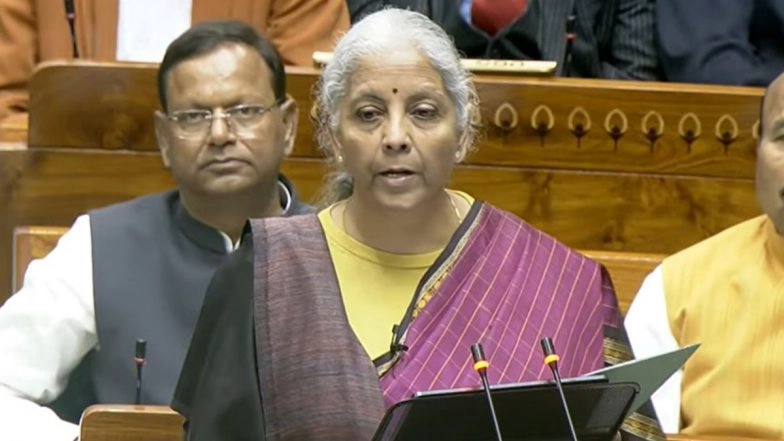
Alcohol has also come into focus in Budget 2026-27. While states may see higher retail prices due to duty changes, Nirmala Sitharaman announced a major simplification in taxation by fixing the Tax Collected at Source (TCS) at a flat 2% for sellers of alcoholic liquor, scrap and minerals. Earlier, these sectors were subject to multiple and, in some cases, higher TCS rates. Despite the simplification, industry participants say consumers could still feel the impact through higher liquor prices.
Experts warn that steep hikes in tobacco and alcohol taxes could fuel illegal trade. According to the Think Change Forum, excessive taxation may push consumers towards cheaper, smuggled or unregulated products instead of reducing consumption.
Separately, the government has withdrawn import duty exemptions on select industrial machinery where domestic manufacturing capacity is adequate, a move aimed at boosting “Make in India” but likely to raise costs for some industries.
In a technical adjustment, the National Calamity Contingent Duty (NCCD) on chewing tobacco, jarda scented tobacco and similar products will be revised on paper from 25% to 60% from May 1, 2026, without increasing the effective tax burden. The hike will be offset by reductions in other excise components, ensuring no immediate impact on prices from this specific change.
(The above story first appeared on LatestLY on Feb 01, 2026 01:47 PM IST. For more news and updates on politics, world, sports, entertainment and lifestyle, log on to our website latestly.com).