BAT-BMS, Lossigy and Epoch Li-Ion Misuse: Govt Orders Removal of Chinese Apps Used To Stop E-Rickshaws
India's IT Ministry ordered the removal of three apps - BAT-BMS, Lossigy, and Epoch Li-Ion - from app stores. The tools were exploited to remotely disable moving e-rickshaws via unsecured Bluetooth connections, stranding drivers. The government has demanded stricter app store scrutiny to address these vehicular cybersecurity risks.

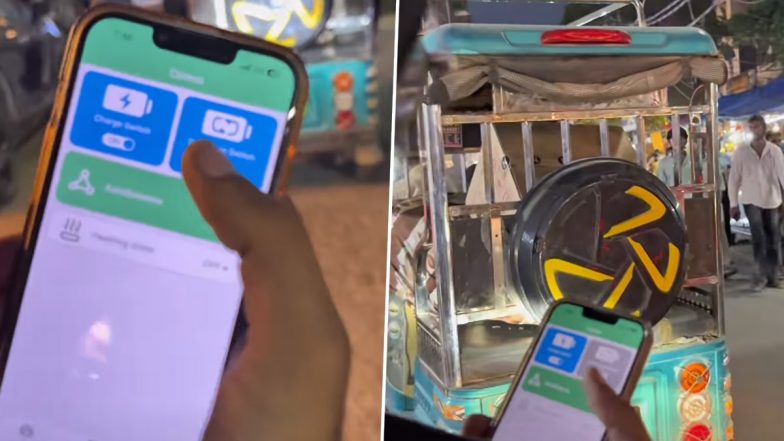
The Ministry of Electronics and Information Technology (MeitY) has ordered Google and Apple to remove three mobile applications - BAT-BMS, Lossigy, and Epoch-i-ion - from their respective app stores following reports of widespread misuse, said government sources. The central government’s directive comes after viral social media videos exposed a security flaw allowing users to remotely disable the lithium-ion batteries of moving e-rickshaws via Bluetooth connectivity, leaving drivers stranded and disrupting traffic.
Government Enforcement and Regulatory Scrutiny
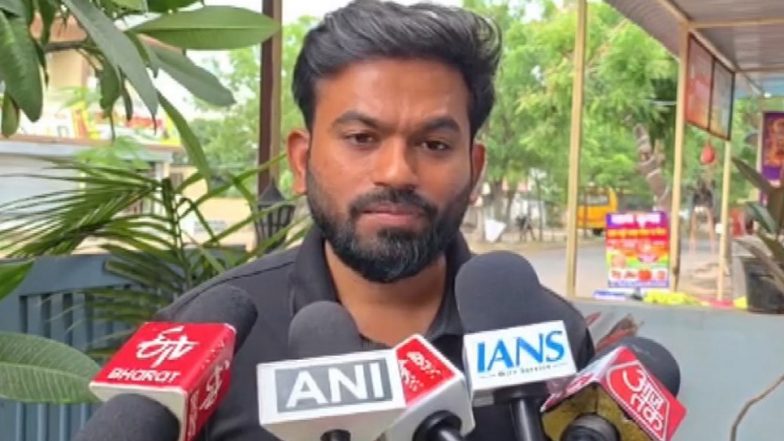
Speaking on the sidelines of a Confederation of Indian Industry (CII) Cybersecurity Summit on Friday, July 3, IT Secretary S. Krishnan confirmed that immediate administrative action had been initiated once the issue was brought to the ministry's attention. Influencer Amaan Siddiqui Shows How the BAT-BMS App Is Being Used To Disable Moving E-Rickshaws in Delhi (Watch Videos).
Govt Orders Removal of BAT-BMS, Lossigy, and Epoch-I-Ion Apps
Govt orders removal of BAT-BMS, Lossigy, and Epoch-i-ion apps being allegedly misused in remotely disabling battery operated vehicles. Any other such apps being misused will also be blocked: Sources pic.twitter.com/YW564yzJ7O
— ANI (@ANI) July 3, 2026
App Stores Need To Exercise Due Care, Says S. Krishnan, Secretary, MeiTY
#WATCH | Delhi | On removal of two apps which were being allegedly used to prank e-rickshaws from app stores, S. Krishnan, Secretary, MeiTY, says, "There are a couple of apps which came to our notice yesterday, and both the apps have been taken down from the app stores. App… pic.twitter.com/Es9PikIHjF
— ANI (@ANI) July 3, 2026
"That is right...there are a couple of apps, which came to our notice yesterday and both of them have been taken down from the app stores," Krishnan stated. Government sources later clarified that the formal takedown orders explicitly covered three specific applications found to be actively exploited on public roads. Krishnan added that digital marketplace operators must exercise greater diligence and strict scrutiny before hosting software on their platforms. The ministry plans to engage closely with app store managers to implement preventive measures, ensuring that tools capable of causing localised infrastructure or vehicular disruptions are not accessible to the public.
Unsecured Bluetooth Vulnerabilities Exploited
The technical breakdown of the exploit reveals vulnerabilities in budget-tier electric vehicle components. The targeted applications, such as BAT-BMS (developed by China-based Shenzhen Grenergy Technology) and Lossigy, were originally engineered as legitimate battery management systems (BMS) to help technicians monitor voltage, operating temperature, and current in real time. However, investigators discovered that many low-cost, Chinese-manufactured lithium-ion battery packs widely used in Indian e-rickshaws lack basic authentication protocols. Because these systems operate without password protection, any individual within a standard Bluetooth range of 10 to 15 meters can download the apps, locate a nearby vehicle, and disable its power discharge function with a single tap. Once the battery output is switched off through the app, the vehicle cannot be restarted without reconnecting via the software interface.
On-Ground Impact and Legal Repercussions
The vulnerability triggered a surge in "prank" videos across platforms like Instagram and YouTube, where individuals filmed themselves disabling operating commercial vehicles for digital engagement. On-ground reports indicate the trend transcended simple mischief, with some drivers alleging they were forced to pay extortion fees to strangers who offered to "fix" and restart their suddenly immobilised vehicles. Chinese App BAT-BMS Can Remotely Shut Down E-Rickshaw? Here’s How It Works.
The disruption prompted regional enforcement agencies to step up monitoring. The Delhi Transport Department has launched an official probe to verify the technical parameters of the exploit. Delhi Transport Minister Pankaj Singh stated that transport officials have been directed to thoroughly examine the matter following multiple complaints from affected operators. Legal experts have warned that exploiting these security loopholes carries severe penalties under existing cyber regulations. Unauthorised digital interference with a vehicle's battery management system constitutes a criminal offence under Sections 43 and 66 of the Information Technology Act, 2000, which penalises hacking and damage to computer systems with a combination of steep fines and imprisonment.
(The above story first appeared on LatestLY on Jul 03, 2026 02:15 PM IST. For more news and updates on politics, world, sports, entertainment and lifestyle, log on to our website latestly.com).