BKC Car-Free Fridays: Mumbai Tests New Commute Strategy for 2 Lakh Bandra Kurla Complex Workers
Mumbai's Bandra Kurla Complex (BKC) has launched a Car-Free Friday initiative aimed at encouraging nearly 2 lakh employees to use public transport instead of private vehicles. Led by MMRDA and supported by 90 companies, the programme seeks to reduce congestion, improve mobility and address last-mile connectivity challenges through enhanced metro, bus and feeder services.

- Read in
- हिंदी
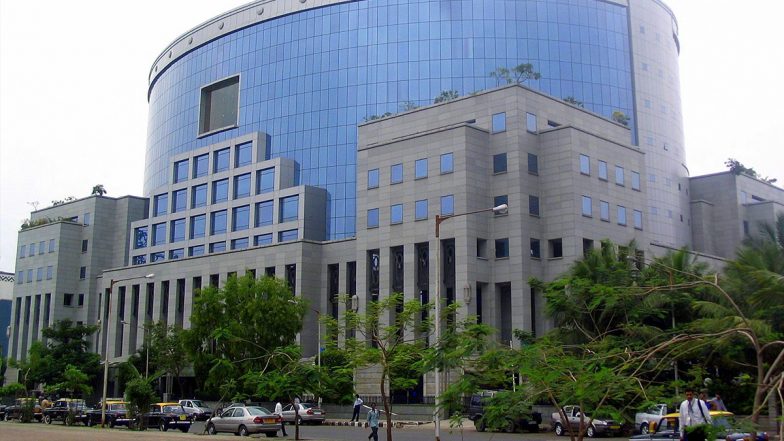
Employees working in Mumbai's Bandra Kurla Complex (BKC) are being encouraged to leave their cars at home every Friday as part of a new initiative aimed at reducing congestion and promoting public transport in one of the city's busiest commercial hubs.
The initiative, led by the Mumbai Metropolitan Region Development Authority (MMRDA), seeks to encourage nearly 2,00,000 professionals working in BKC to commute using trains, metro services and buses instead of private vehicles or app-based cabs. Officials describe the programme as the first large-scale effort of its kind in a corporate business district in India. Mumbai Water Tanker Strike From June 8: City Faces Fresh Water Supply Concerns Amid 10% Cut.
BKC Car Free Fridays
This is an awareness initiative aimed at encouraging more people to consider public transport for their commute and helping reduce congestion, emissions and parking pressure in BKC.
Participation is voluntary. The campaign is focused on promoting sustainable travel choices…
— MMRDA (@MMRDAOfficial) June 6, 2026
BKC Car-Free Fridays: MMRDA Leads Multi-Agency Initiative
The campaign is being implemented in collaboration with the Brihanmumbai Electric Supply and Transport (BEST), the Mumbai Metro Rail Corporation Limited (MMRCL), Traffic Police, auto-rickshaw unions and WRI India.
Around 90 companies and organisations operating in BKC have already extended in-principle support to the initiative. MMRDA has also directed its nearly 2,000 employees and contractual staff to participate. Mumbai Water Crisis: Reservoirs Drop to 15% As Weak Monsoon Forecast by IMD Puts BMC on High Alert.
Authorities said the programme will initially run for three to four months, during which commuting patterns and operational challenges will be reviewed regularly.
Why Fridays Were Chosen
According to MMRDA officials, Friday was selected strategically rather than arbitrarily. Officials believe employees tend to have greater flexibility at the end of the workweek, with fewer scheduled meetings and lower pressure related to punctuality compared to Mondays.
By contrast, Mondays are viewed as less suitable for such an experiment due to tighter deadlines, packed schedules and heavier commuter anxiety associated with the start of the workweek.
Public Transport Options Available
BKC is currently served by multiple public transport networks. The Aqua Line (Metro Line 3) provides direct metro connectivity to the business district, while Bandra and Kurla railway stations offer suburban rail access supported by feeder services into BKC.
BEST operates more than 100 bus services in the area every day, with an estimated 25,000 to 30,000 commuters already relying on buses daily. Five to six feeder routes currently connect Bandra and Kurla stations directly to key locations within BKC. Authorities are also working with auto-rickshaw unions to strengthen last-mile connectivity.
Last-Mile Connectivity Remains a Challenge
While public transport access to BKC has improved significantly, officials acknowledge that last-mile connectivity continues to be one of the biggest obstacles to wider adoption.
Many commuters using the Aqua Line metro report difficulties travelling from metro stations to their office buildings within the business district. As one executive at a financial services firm reportedly noted, reaching BKC via metro is relatively straightforward, but securing a shared auto-rickshaw or feeder service for the final stretch remains challenging.
Mobility studies discussed during stakeholder consultations indicate that 52 per cent of BKC's workforce continues to depend on private vehicles, taxis and auto-rickshaws despite the availability of Metro Line 3.
Only 25 per cent of employees currently use public transport for their daily commute, while more than half of BKC's workforce spends over two hours travelling each day.
Authorities have outlined several interventions to improve the commuting experience and address existing bottlenecks. Dedicated U-turns and turning lanes are being planned at key intersections to improve BEST bus turnaround times and increase service frequency.
Corporate campuses are being encouraged to open internal roads for pedestrian movement, helping commuters move more easily between transit stations and office buildings.
Long-term infrastructure proposals include shaded walkways, green canopies, mist blowers and all-weather pedestrian corridors to make walking more comfortable throughout the year.
Efforts are also underway to integrate auto-rickshaw services more effectively into the public transport network to bridge the gap between transit stations and workplaces.
Incentives for Employees
Authorities say improving infrastructure alone may not be enough to encourage a behavioural shift.
A survey of commuters found that 82 per cent of respondents would consider switching to public transport if services became more reliable, convenient and better integrated.
Companies participating in the initiative are being encouraged to introduce incentives such as public transport reimbursements, employee reward programmes and internal recognition schemes for workers who regularly choose sustainable commuting options.
A Test for Mumbai's Mobility Future
The success of the Friday car-free initiative will largely depend on whether authorities can address the practical challenges associated with public transport use, particularly last-mile connectivity.
With regular reviews planned over the coming months, officials hope the programme can reduce traffic congestion, improve commuting efficiency and encourage long-term changes in travel behaviour among Mumbai's office workforce. Whether the initiative evolves into a lasting mobility model for other business districts may depend on how effectively these transportation gaps are addressed.
(The above story first appeared on LatestLY on Jun 08, 2026 05:48 PM IST. For more news and updates on politics, world, sports, entertainment and lifestyle, log on to our website latestly.com).