Mumbai Malaria Cases Rise to 9,298 in 2026, 2 Deaths Reported After 3-Year Zero-Fatality Run
Mumbai has reported 9,298 malaria cases and two deaths so far in 2026, according to state health department data cited by The Times of India. The deaths mark the first malaria fatalities in the city after three consecutive years without a recorded death. T

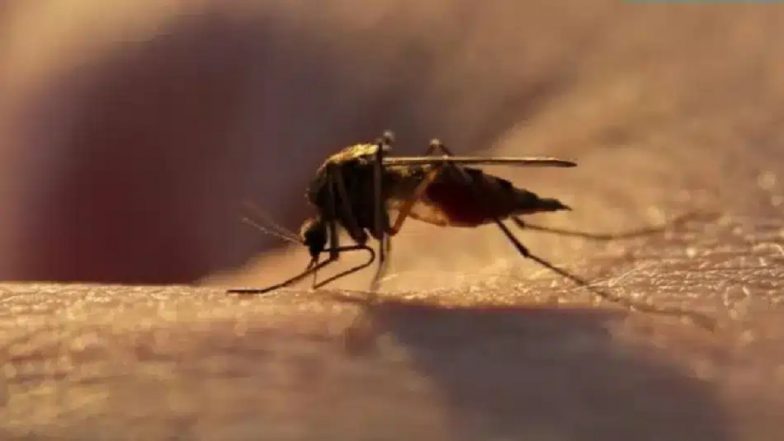
Mumbai has reported 9,298 malaria cases and two deaths so far in 2026, according to state health department data cited by The Times of India. The deaths mark the first malaria fatalities in the city after three consecutive years without a recorded death. The current case count has already reached 91.5% of the 10,163 cases reported during the whole of 2025.
The rise comes amid an increase in mosquito-borne diseases during the monsoon. BMC data showed that malaria cases during June, July, August and up to September 15 had reached 5,984 in 2026, compared with 4,304 during the corresponding period in 2025. Guillain-Barre Syndrome-Linked First Death Reported in Mumbai, Ward Boy of BMC-Run Hospital Succumbs to GBS Virus.
Mumbai Malaria Cases and Deaths: Year-Wise Data
The latest data show that Mumbai's malaria burden has increased substantially in recent years, although the 2026 figure is still below the city's historical peak recorded in 2004.
| Year | Malaria Cases | Deaths |
|---|---|---|
| 2020 | 5,015 | 0 |
| 2021 | 5,162 | 0 |
| 2022 | 3,985 | 2 |
| 2023 | 7,319 | 0 |
| 2024 | 7,939 | 0 |
| 2025 | 10,163 | 0 |
| 2026* | 9,298 | 2 |
*2026 figures are up to September, according to the data cited by The Times of India.
Malaria Cases in Mumbai More Than Double Since 2022
Data from the National Center for Vector Borne Diseases Control show that Mumbai recorded 3,985 malaria cases in 2022, which increased to 10,163 in 2025. That represents a rise of about 155% over the period. The 2026 tally of 9,298 cases has already come close to last year's full-year total, despite the year still having several months remaining. However, the current caseload remains below Mumbai's 2004 peak of 14,756 malaria cases, when 23 deaths were also reported.
Why Are Malaria Cases Rising in Mumbai?
Civic officials have attributed part of the increase to better surveillance and detection. At the same time, activists and corporators have raised concerns about stagnant water around construction sites, water leakages and drainage problems creating potential mosquito-breeding locations. BMC health officials have said civic teams from the health, pest-control and maintenance departments are working to identify and eliminate breeding spots. PharmEasy and Fever 104 FM Turn a Wordplay on ‘Fever’ Into a Monsoon Health Awareness Campaign.
Concerns have also been raised over stagnant water at large infrastructure sites. Kurla corporator Ashraf Azmi called for clearer protocols governing how long water can remain at such locations and stricter monitoring.
Malaria Symptoms and Hospital Admissions Raise Concern
Doctors have also observed a change in the way some malaria patients are experiencing the illness this year. Dr Gautam Bhansali of Bombay Hospital told The Times of India that some patients were experiencing high fever for nearly five days, compared with shorter fever durations reported by some patients in previous years after beginning anti-malarial treatment. The prolonged fever has resulted in more hospital admissions, according to the doctor.
Malaria Concentrated in Several Mumbai Pockets
BMC health committee chairman Harish Bhandgire said the situation did not indicate a citywide outbreak, with cases concentrated in pockets including Dongri, Sion and Parel. He also said water pipeline leakages could sometimes contribute to mosquito breeding, although he noted that they were only one of several possible factors.
High-Risk Malaria Strain Also Increased
The rise in overall malaria cases comes alongside a longer-term increase in Plasmodium falciparum, a malaria parasite associated with more severe disease. BMC data reported earlier this month showed that P. falciparum cases in Mumbai increased from 375 in 2015 to 2,382 in 2025, a 535% rise. Its share of the city's total malaria cases also increased from 5.5% to 25.3% over the decade.
Mumbai's Mosquito-Borne Disease Burden
The rise is not limited to malaria. BMC's monsoon data up to September 15 showed that malaria cases increased compared with the same period last year, while dengue and leptospirosis recorded declines.
| Disease | 2025 Monsoon Period | 2026 Monsoon Period |
|---|---|---|
| Malaria | 4,304 | 5,984 |
| Dengue | 2,377 | 2,161 |
| Leptospirosis | 493 | 277 |
| H1N1 | 65 | 488 |
The figures cover June, July, August and September 1-15 for the respective years.
Recent reports have also highlighted a sharp rise in mosquito-borne illnesses during September, prompting concerns over stagnant water and the timing of fumigation and other pest-control measures.
(The above story first appeared on LatestLY on Sep 24, 2026 08:34 AM IST. For more news and updates on politics, world, sports, entertainment and lifestyle, log on to our website latestly.com).